
Every few weeks, the modern media machine seems to announce another funeral for the Earth. Species are vanishing, forests are burning, reefs are bleaching, and the tone of the coverage implies that nature is already lost. That story is emotionally compelling, politically useful, and often incomplete. The more accurate picture is harder to sell but more important to understand: in many places, with sustained effort, the planet is doing better than the headlines suggest.
Start with a basic fact that rarely leads the evening news: conservation works. A major 2024 global meta-analysis of 186 studies found that in two-thirds of cases, conservation either improved biodiversity or at least slowed its decline. That is not a minor consolation prize; it is evidence that targeted action can bend ecological trajectories. Protected areas, invasive-species control, habitat restoration, and sustainable management are not symbolic gestures. They are among the few tools we have that actually change outcomes.
There are also visible success stories that should be impossible to ignore. Mountain gorillas, once a shorthand for imminent extinction, have rebounded thanks to long-term protection and local stewardship. The Iberian lynx has moved back from the brink through habitat protection and breeding programs. The kākāpō, a flightless parrot from New Zealand, survives today because scientists and communities refused to accept that rare species are doomed by default. Even the giant panda, downgraded by the IUCN from endangered to vulnerable in 2025, shows what decades of reserves, corridors, and anti-poaching efforts can accomplish.
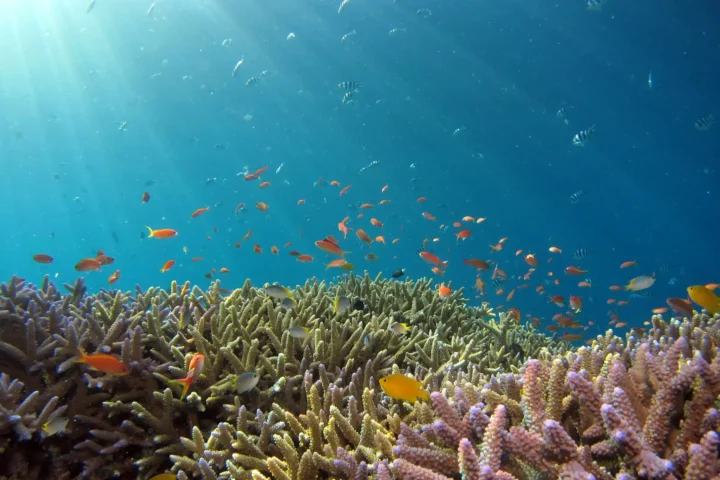
The ocean offers similar reasons for realism rather than despair. Cabo Pulmo in Mexico, once heavily overfished, became a no-fishing zone and saw fish biomass rise by 460 percent, turning a damaged reef into one of the world’s most cited marine restoration successes. On Australia’s Great Barrier Reef, marine protected areas have been shown to make reef communities more stable, reduce disturbance impacts, and speed recovery. That matters because protection is not just about preventing loss; it is about creating the conditions for rebound.
Forests, too, are more nuanced than the apocalyptic shorthand suggests. The Food and Agriculture Organization reported in 2025 that global deforestation has slowed across all regions in the past decade, with annual net forest loss falling from 10.7 million hectares in the 1990s to 4.12 million hectares in 2015-2025. That does not mean the crisis is over, but it does mean policy, pressure, and better land management can make a measurable difference. In environmental debates, that kind of incremental progress is often dismissed as insufficient. In the real world, it can be the difference between irreversible damage and eventual recovery.
The same pattern appears in the atmosphere. The World Meteorological Organization said the 2025 Antarctic ozone hole was relatively small and short-lived, reinforcing the long-term recovery trend under the Montreal Protocol. This is one of the most important environmental achievements in modern history, though it is too often treated as ancient history rather than a live lesson. Global cooperation, regulation, and substitute technologies did not merely slow a disaster; they reversed it.
Even where the news remains grim, the trend lines are often less catastrophic than advertised. Death rates from air pollution have fallen globally since 1990, according to Our World in Data, and a 2026 study in Nature found that changes in health, nutrition, housing, and access to care helped prevent about 1.7 million deaths in 2019 alone. That does not erase the toll of pollution, but it shows that policy and development can reduce vulnerability even before emissions are fully solved.
The case for hope, then, is not sentimental. It is practical. When we protect habitats, fund science, enforce rules, and empower local communities, ecosystems respond. When we treat conservation as a luxury rather than a public good, decline accelerates. The mistake in much environmental commentary is not that it warns about danger. The mistake is that it too often equates danger with inevitability.
None of this is an excuse for complacency. Biodiversity loss remains severe, climate risks remain real, and many successes are precarious. The same panda that escapes extinction today can slide backward tomorrow if habitat protection weakens. The same reef that rebounds under protection can collapse under warming seas and poor management. The lesson is not that the planet is safe. The lesson is that it is still governable.
That may be the most urgent correction to today’s doom-heavy environmental narrative. A public that believes nothing works will demand less, fund less, and protect less. A public that understands conservation success will be more likely to repeat it. The planet is not doing fine. But it is doing better than you think, and that distinction matters.