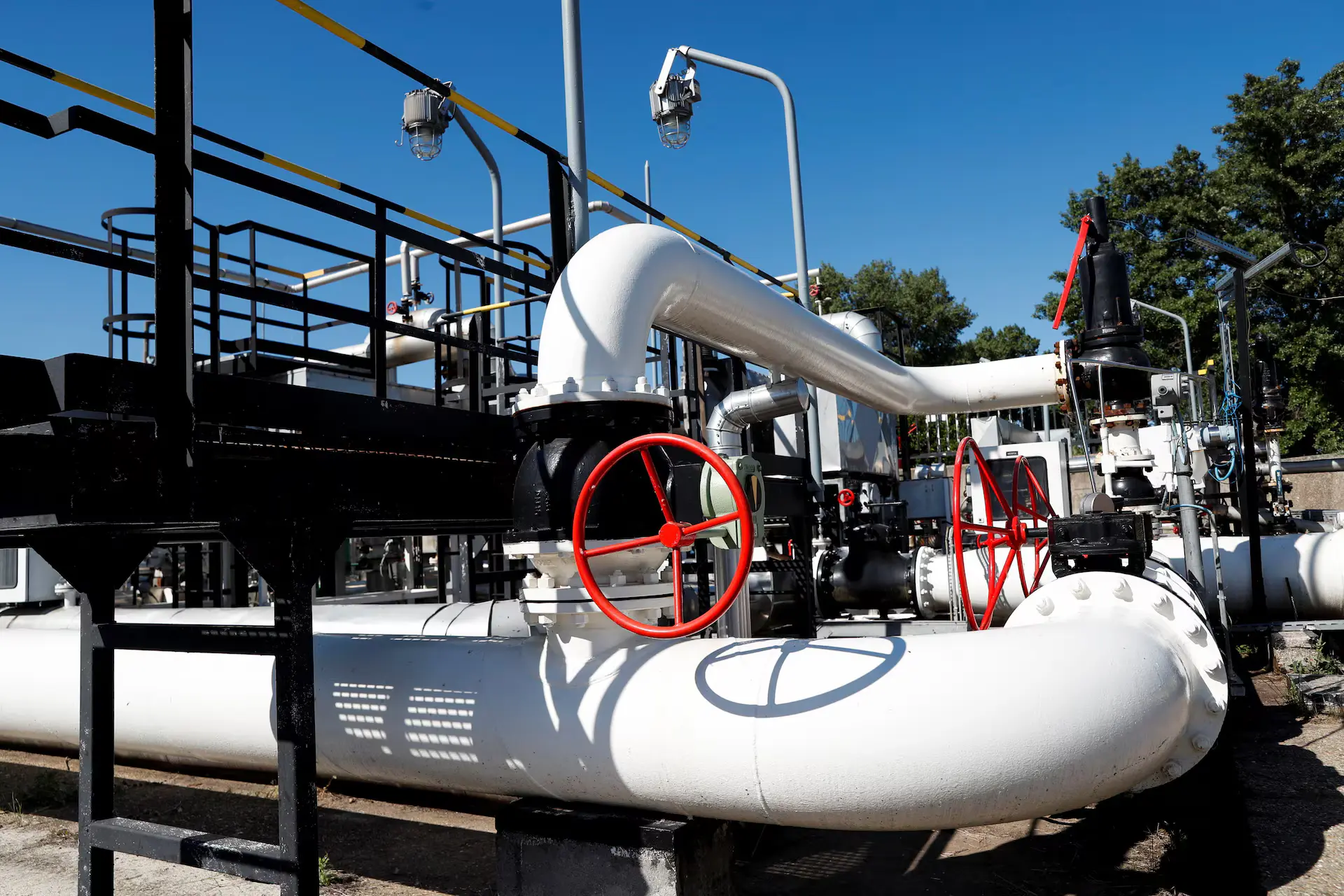
In recent days, Ukrainian President Volodymyr Zelenskyy has forcefully condemned what he describes as outright blackmail from parts of Europe over the fate of the Druzhba oil pipeline. This Soviet-era infrastructure, whose name ironically means “Friendship,” has long carried Russian crude across Ukraine to refineries in Hungary, Slovakia, and beyond. Damaged by Russian drone strikes in late January, the pipeline’s transit has halted, sparking a bitter dispute that exposes deep fractures within the European Union at a critical moment in the ongoing war.
Zelenskyy’s frustration is palpable. He has stated plainly that he personally opposes restarting flows of Russian oil through Ukrainian territory. “If we have decided to restore Russian oil supplies, then I want them to know that I am against it,” he told reporters. Yet he finds himself cornered: certain European partners, he alleges, are conditioning vital aid—including access to a €90 billion EU loan package—on Ukraine’s willingness to repair and reopen the line. Linking weapons, financial support, and energy transit in this way, Zelenskyy argues, amounts to coercion. “I told our friends in Europe that this is called blackmail,” he said in remarks released Sunday.
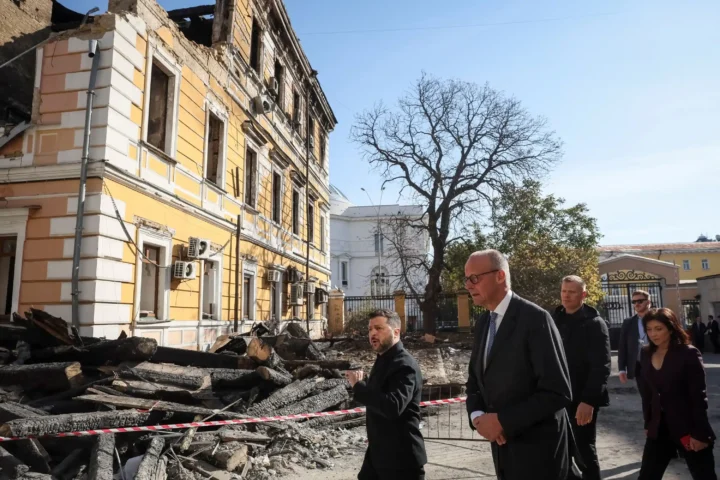
The context is grim. Since Russia’s full-scale invasion in 2022, Ukraine has endured relentless attacks on its energy infrastructure, including the Druzhba system. Kyiv insists the January damage stemmed from Russian strikes, rendering repairs dangerous for technicians amid ongoing bombardment. Zelenskyy has noted that while one branch might be fixed in a month to six weeks, full restoration—especially of storage facilities—could take far longer. He questions the logic of funneling Russian oil through a war zone when Europe claims to seek energy independence from Moscow.
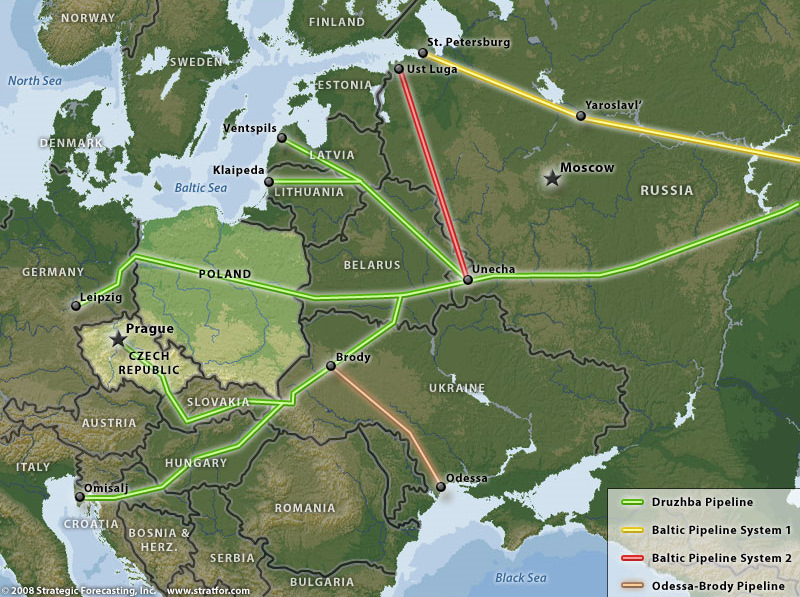
Yet for Hungary and Slovakia, the shutdown is existential. These landlocked nations remain among the last in the EU heavily reliant on discounted Russian crude via Druzhba, exempted from broader sanctions. Hungarian Prime Minister Viktor Orbán has accused Ukraine of deliberate obstruction, sharing satellite imagery to claim no real damage occurred and branding Zelenskyy’s stance as blackmail. Slovakia’s Robert Fico has echoed similar threats, warning of cutting emergency electricity supplies to Ukraine unless transit resumes. Orbán has gone further, vowing to block the €90 billion EU package until flows restart—a move that holds Ukraine’s war funding hostage.
This standoff reveals a troubling hypocrisy. Europe has spent years—and billions—promoting diversification away from Russian energy, urging alternatives like LNG imports and renewables. The EU’s own Green Deal envisions phasing out fossil fuel dependence, particularly from aggressor states. Allowing Russian oil to continue flowing through Ukraine, even under duress, undermines that strategy. It rewards Moscow’s aggression by preserving a lucrative revenue stream while forcing a frontline nation to facilitate it at risk to its own people.
Zelenskyy’s position highlights a broader moral dilemma. Ukraine fights not just for its survival but for the principle that aggression must not pay. Repairing Druzhba under pressure would signal that Europe’s solidarity is conditional—tied to convenience rather than conviction. It risks normalizing a double standard: sanctioning Russia publicly while quietly enabling its oil exports to preserve cheap fuel in select member states.
The EU’s response has been tepid. The European Commission has proposed inspections to verify damage and urged repairs, but it has not decisively rebuked the linkage of aid to energy demands. This hesitation emboldens figures like Orbán, whose pro-Russia leanings have long strained EU unity. By tolerating such tactics, Brussels inadvertently weakens the collective front against Moscow.
Ukraine’s reluctance is not mere stubbornness. It stems from security realities: repaired pipelines remain targets, and resuming transit could prolong Russia’s war economy. Zelenskyy has acknowledged legal obligations under transit agreements but stresses the overriding context of war. “We are dealing with blackmail,” he reiterated, framing the issue as a test of Europe’s commitment.
Ultimately, this episode underscores the war’s toll on alliances. Ukraine asks not for charity but consistency. If Europe truly stands with Kyiv, it cannot demand that Ukraine subsidize Russia’s war machine in exchange for promised support. Zelenskyy’s defiance against this “blackmail” is a reminder: true friendship in wartime cannot be transactional. Europe must choose—between short-term energy comfort and long-term strategic resolve. The Druzhba dispute may be about oil, but it is fundamentally about whether the EU will let division dilute its defense of democracy.