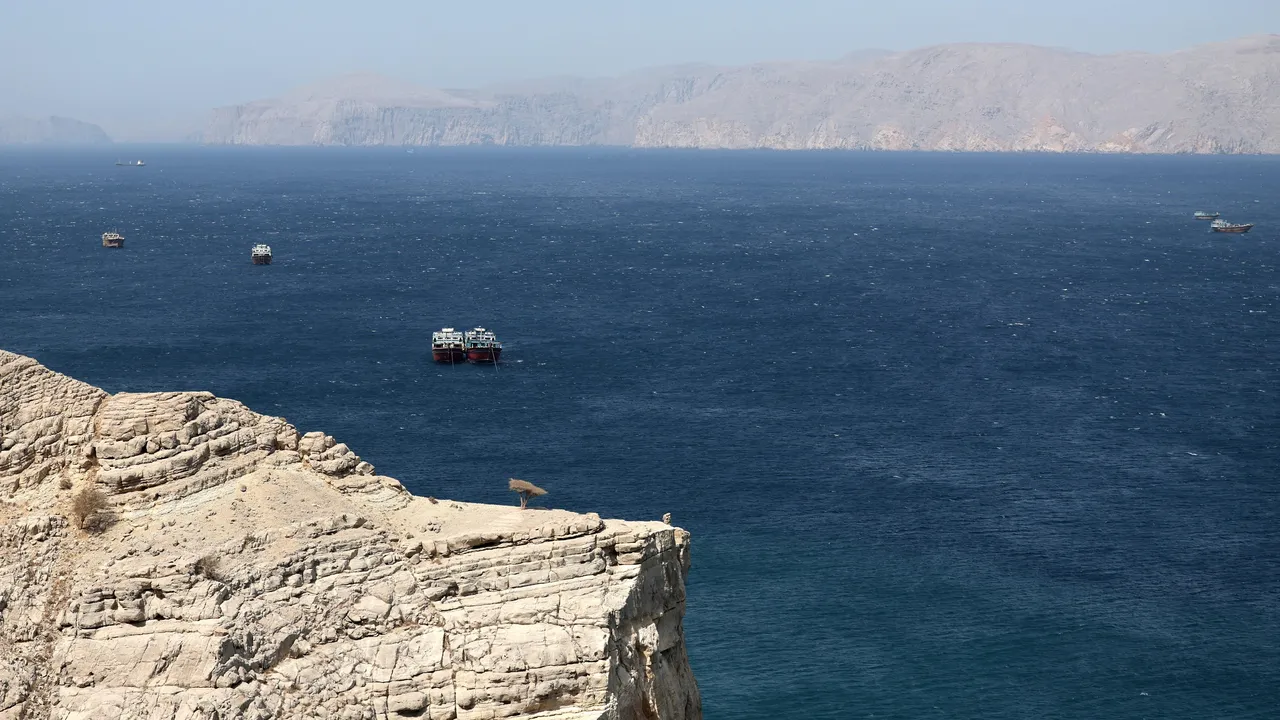
Iran’s recent declaration that the Strait of Hormuz is “completely open” sounds like a step toward de-escalation amid the ongoing U.S.-Iran conflict. But the fine print reveals a waterway still fraught with restrictions, mines, and uncertainty, raising doubts about true freedom of navigation.
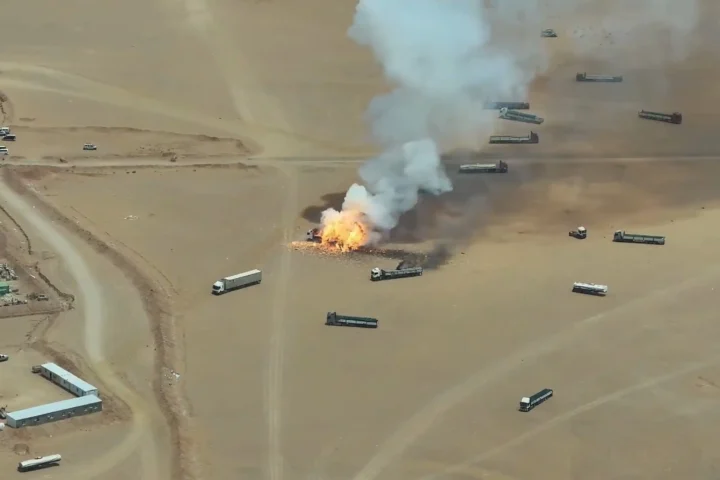
The Strait of Hormuz crisis erupted in late February 2026 after U.S. and Israeli airstrikes targeted Iranian nuclear sites and leadership, killing Supreme Leader Ali Khamenei. Iran retaliated with missile and drone attacks on U.S. bases, Israeli cities, and Gulf allies, then effectively blockaded the strait using IRGC threats, 28 confirmed ship attacks, sea mines, and GPS jamming. Normally carrying 20-25% of global seaborne oil and 20% of LNG, the strait saw traffic plummet to near zero, breaching UNCLOS transit passage rights.
This wasn’t a formal closure but a “soft blockade” that spiked insurance premiums and deterred shippers, echoing 1980s tanker wars but on steroids. Exceptions favored allies like China and Russia, allowing select vessels while Western ships faced fire.
Iran’s Announcement
On April 16, Foreign Minister Abbas Araghchi posted on X that the strait is “completely open” for commercial vessels during the Israel-Lebanon ceasefire’s remainder, via a “coordinated route” set by Iran’s Ports and Maritime Organisation. President Trump echoed this, calling it “fully open and ready for full passage,” but stressed U.S. blockades on Iranian ports persist until a deal is “100% complete.”
Tehran frames it as goodwill tied to the Lebanon truce, not unconditional access. Ships must coordinate with Iranian authorities, avoiding Omani waters’ standard path, and navigate uncleared Iranian mines—Iran reportedly lost track of many.
Few ships are testing the waters. Tracking shows minimal traffic post-announcement, with insurers wary of mines, drones, and new rules like potential tolls (previously $1M+). U.S. Navy warships transited for mine-clearing, but commercial flows lag pre-war 100+ daily crossings.
The U.S. clarifies its blockade targets Iranian ports/coast only, preserving non-Iranian transit. Yet mutual distrust lingers: Iran threatens “severe response” to U.S. vessels; Trump demands nuclear “dust” removal and no funds exchange.
Economic Stakes
The blockade ravaged markets. Brent crude hit $126/barrel in March—the largest oil shock ever—stranding 20M barrels/day, forcing Gulf force majeure, and inflating fertilizer/food prices (30% of global urea via strait). Asia suffered most: China lost a third of its oil imports; Europe faced LNG spikes; U.S. gas hit $5/gallon.
Stocks tanked, inflation roared, and sectors from aluminum to helium reeled. Oil dipped 10% post-announcement to under $90, but sustained risks could reverse gains.
Iran’s statement is propaganda, projecting normalcy while retaining leverage via mines and routes. Trump uses it to tout negotiation wins—Islamabad talks advanced on frozen funds, nukes—without yielding. Allies like France/UK demand permanent opening; China/Russia back Iran quietly.
This tit-for-tat echoes past crises, but 2026’s scale amplifies dangers. Iran’s IRGC controls asymmetric tools cheaply; U.S. superiority demands restraint to avoid wider war.
Unconditional openness requires mine-sweeping, no tolls, and neutral navigation—verifiable by IMO/UN. Trump’s “quick” deal could unlock it, but Iran’s conditions undermine trust. Shippers won’t risk lives/assets until proven safe.
The world can’t afford half-measures. A truly open strait demands Iran dismantle threats fully, or face isolation. Temporary ceasefires buy time, but only ironclad guarantees restore the energy lifeline we all depend on.