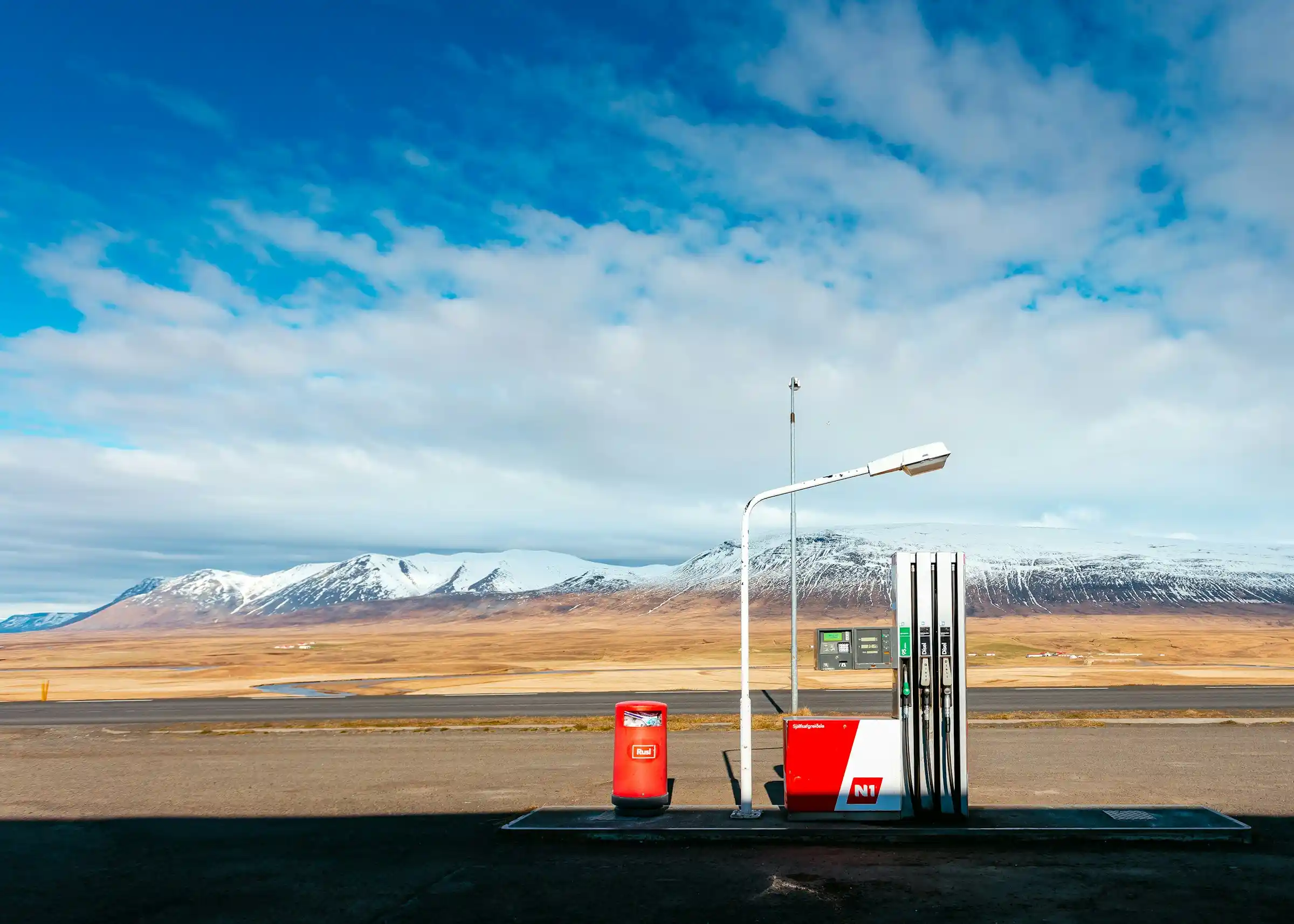
Politics in Washington likes to pretend that energy is a matter of policy. Voters know better. When gasoline stays expensive, it is a daily tax, and no amount of messaging can hide the pump receipt.
That is the uncomfortable backdrop for the White House’s outreach to oil executives as the Iran conflict keeps global energy markets on edge. The administration can summon CEOs to the West Wing, urge more supply, and promise that it is managing the crisis. Yet the basic arithmetic remains unchanged: if barrels are constrained and markets are nervous, prices tend to rise, and voters notice first at the gas station.
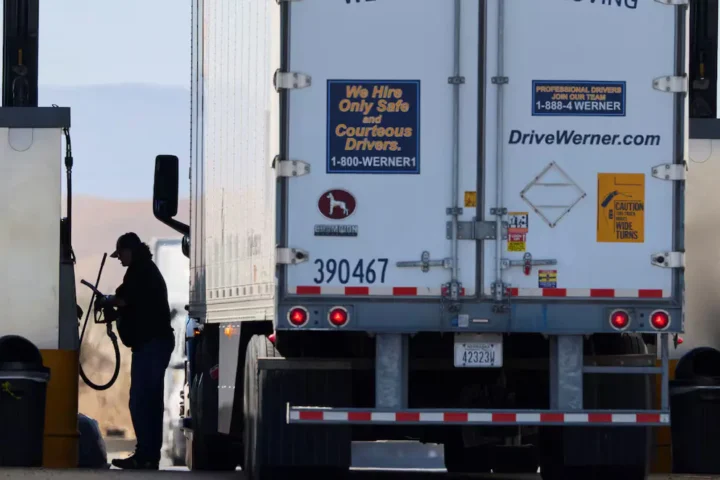
The latest evidence is hard to spin away. In March, U.S. gasoline averaged about $3.48 a gallon, up from roughly $2.98 before the conflict began, a rise of about 17%. Another report put the average at $3.58, roughly 20% above prewar levels. Diesel has climbed too, tightening the squeeze on trucking, shipping and the broader cost of goods. The message to households is simple: energy inflation does not stop at the fuel pump.
The political problem is that this is not an abstract market story. It is a kitchen-table story. Commuters feel it every weekday. Small businesses feel it when delivery bills rise. Families feel it when food, travel and everything else edged upward by transportation costs arrive with a lag. That is why energy prices remain among the most potent pocketbook issues in American politics, especially when other costs are already elevated.
The White House’s conversation with oil companies is a tacit admission of the scale of the problem. Officials know they cannot order global oil prices lower. They can try to encourage production, manage expectations and reassure markets. But even industry leaders have warned that the disruption in the Strait of Hormuz and broader instability in Middle Eastern shipping lanes may keep pressure on prices. If that bottleneck persists, the administration’s leverage is limited.
That limitation matters because voters rarely grade presidents on excuses. They grade them on outcomes. A White House that sounds defensive about prices sounds weak on the economy. A White House that sounds too cozy with oil executives risks angering climate-minded Democrats and independents. In other words, the president is boxed in by a problem that is both economic and political.
The broader lesson is familiar but often forgotten: energy abundance is a form of political capital. When prices are stable, presidents can talk about growth, wages and confidence. When prices spike, they talk about emergency supply, strategic reserves and diplomacy. The second conversation is always a sign that the first has gone wrong. And once the public begins to associate a presidency with higher fuel costs, that association can outlast the crisis itself.
The administration may still benefit from the fact that Americans are accustomed to some volatility in gasoline prices. Many voters do not follow oil-market mechanics, nor do they distinguish between crude benchmarks, refinery bottlenecks and geopolitical risk. They simply know what it costs to fill the tank. That simplicity is precisely why energy is so politically dangerous. Complex causes lead to brutally simple judgments.
The White House should therefore resist the temptation to overclaim. It cannot promise cheap gas while war threatens one of the world’s most important oil corridors. It cannot talk markets down by force of personality. And it certainly cannot persuade voters that this is merely a temporary nuisance if the numbers at the pump keep climbing.
The better approach is candor. Explain the tradeoffs. Acknowledge that the Iran conflict is a global shock, not a domestic talking point. Make clear that the government can cushion pain, but not erase it. Above all, stop pretending that a few meetings with oil chiefs will solve what a geopolitical crisis has created.
For the White House, the danger is not just high gasoline prices. It is the appearance of helplessness in the face of them. That is what voters remember when they drive past the station and see the sign change again.