As President Donald Trump makes his latest tour of the Middle East, a rare opportunity presents itself—one not just of diplomacy, but of lasting human connection. It is a chance to begin laying the cultural groundwork for peace by promoting a deeper understanding of history across a region long burdened by conflict.
Last November, in a surprising moment of candor during an Arabic-language interview, Trump shared that his grandson is of partial Arab descent. For many viewers across the Arab world, it was a personal revelation that humanized a figure often seen through the lens of geopolitics. Now, that moment can be a launching point for a broader vision—one in which peace is not just about treaties and handshakes, but about shaping the hearts and minds of future generations.
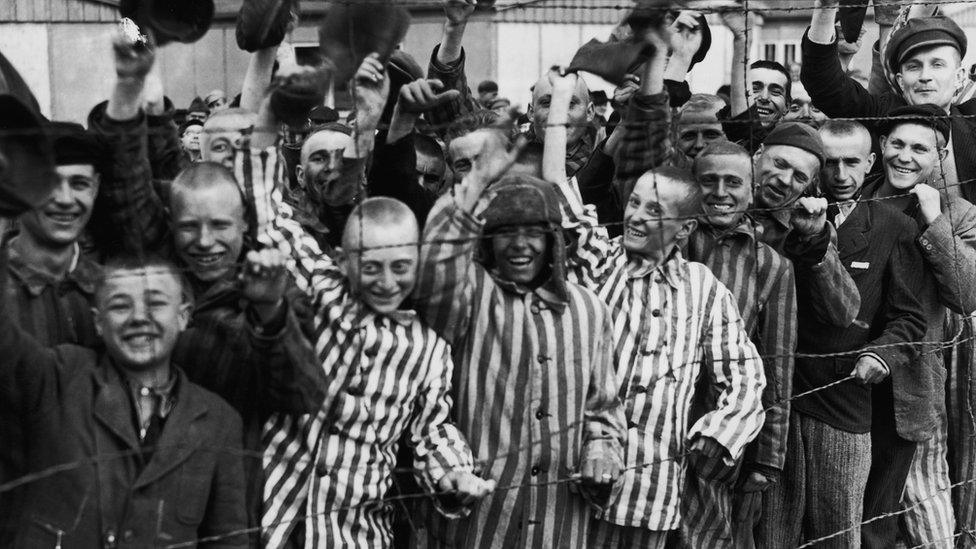
One of the most powerful ways to realize that vision lies in a subject often overlooked in the Arab world: Holocaust education.
In many countries across the Middle East, the Holocaust is barely addressed in school curricula. When it is mentioned, it’s frequently diluted within the context of World War II or sidestepped altogether due to the sensitivities surrounding the Israeli-Palestinian conflict. This absence of historical education has allowed conspiracy theories and denialism to fill the void, feeding extremist narratives and distorting public understanding.
Encouraging the inclusion of Holocaust studies in Arab educational systems would serve not only as a moral imperative but also as a strategic tool for stability. Extremist groups thrive in ignorance. Educating youth about the consequences of hatred, totalitarianism, and genocide helps inoculate them against radical ideologies. It equips them with the critical thinking skills needed to reject propaganda and recognize the human cost of dehumanization.
Moreover, advancing Holocaust education reaffirms America’s dedication to universal human rights. The Holocaust, while a uniquely Jewish tragedy, carries a universal lesson: the danger of indifference to injustice and the catastrophic results of unchecked hatred. These are values central to the American ethos—dignity, liberty, and the rule of law—and promoting them strengthens the moral authority of U.S. foreign policy.
But perhaps most significantly, such an initiative can nurture the long-term empathy necessary for reconciliation in the region. While diplomacy may build bridges between governments, mutual understanding and historical awareness can build bridges between peoples. A generation educated in the realities of the Holocaust is more likely to view peace not just as a policy goal but as a moral responsibility.
To be effective, this initiative must be collaborative, not imposed. Some Arab nations, including signatories of the Abraham Accords, are already engaging in educational reform. Countries like the United Arab Emirates and Morocco have taken steps to encourage interfaith dialogue and tolerance. These nations could lead the way, integrating Holocaust education into broader curricula on human rights and global history.
The Trump administration, if it chooses, has the diplomatic and financial tools to support this effort. Foreign aid and democracy promotion funds can be channeled into curriculum development, teacher training, and civil society programs focused on historical awareness. International partnerships can help create culturally sensitive educational materials and support exchange programs for educators.
Multilateral engagement would further strengthen the effort. The United States could work with global organizations—or lead new coalitions—to recognize and reward nations taking bold steps toward inclusive education.
President Trump has demonstrated a willingness to defy expectations in pursuit of peace. His decisions to move the U.S. embassy to Jerusalem and to broker normalization agreements between Israel and several Arab states reflect that unconventional approach. Now, he has a new chance to merge the personal with the political.
If Trump were to speak publicly of his hope that his Jewish and Arab grandchildren might one day travel freely between Riyadh and Jerusalem, it would resonate deeply. And if he pairs that message with a call to teach the truth of the Holocaust, he wouldn’t just be advocating for education—he would be laying the first stones of a future in which understanding, not ignorance, guides the path to peace.