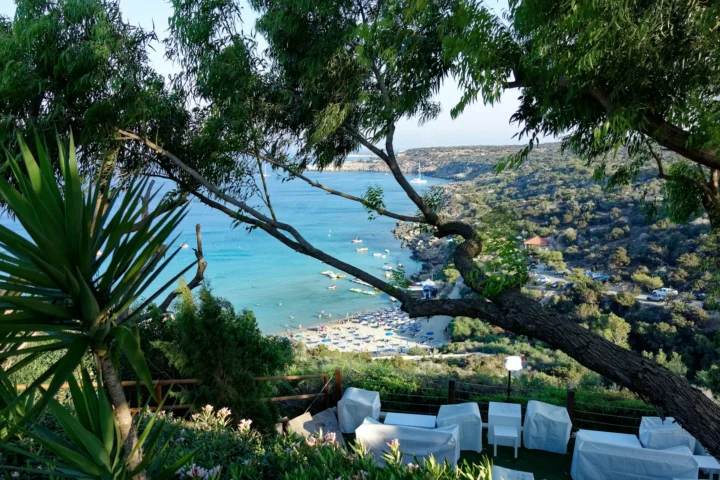
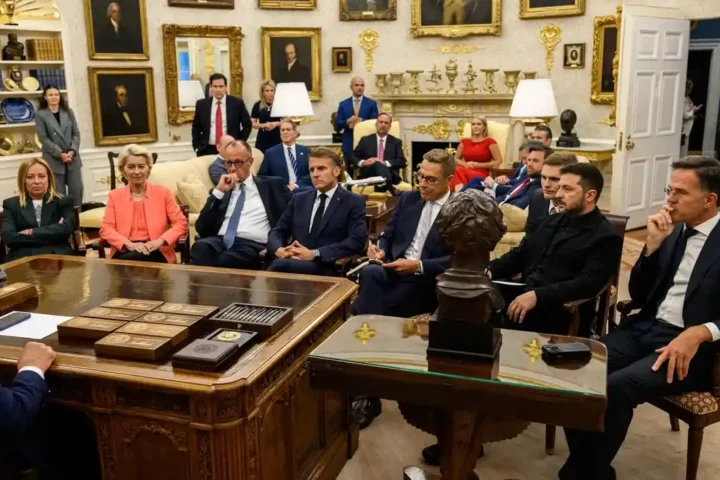
Against a backdrop of forested peaks and looming global crises, world leaders have gathered in the secluded luxury of Kananaskis for one of the most high-stakes G7 summits in recent memory.
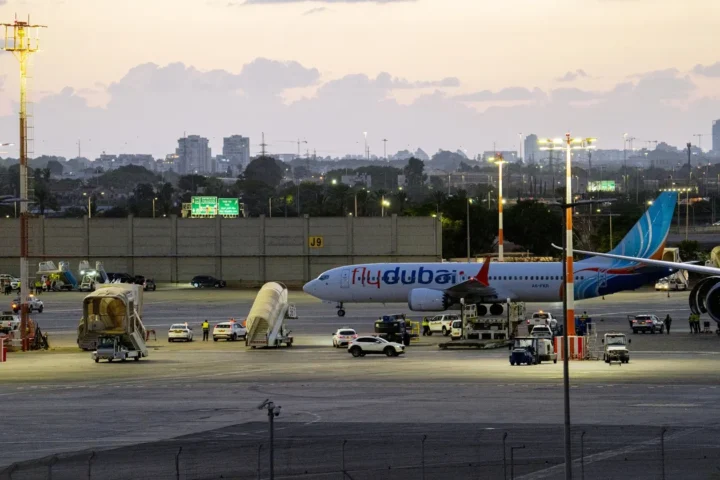
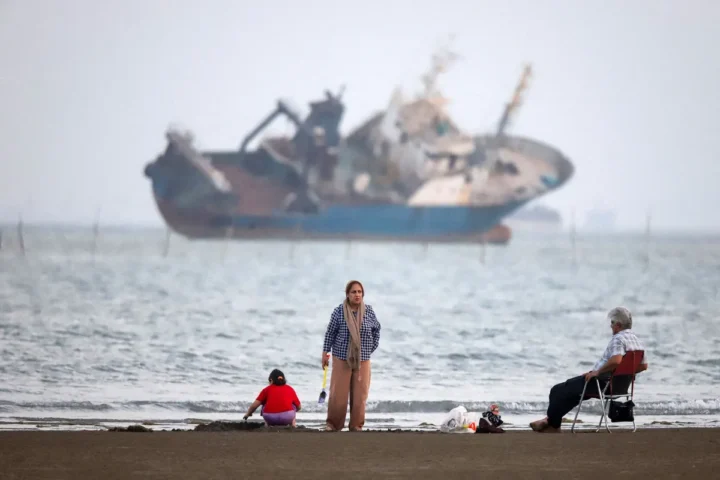
Hosted by Canadian Prime Minister Mark Carney, the summit brings together leaders from the United States, United Kingdom, France, Germany, Italy, Japan, and Canada. While the agenda was initially set to focus on economic cooperation and security in an increasingly unstable world, a sudden escalation in the Israel-Iran conflict has thrown those plans into disarray — testing Carney’s leadership on his first major outing on the global stage.
A Defining Test for Canada’s New Prime Minister
Carney, a former central banker and political newcomer, had intended to use the summit to showcase Canada’s ambition to lead economically and diplomatically. His three stated goals were bold: assert Canada as a global leader, drive the G7’s strongest economic growth, and reduce dependence on the United States.
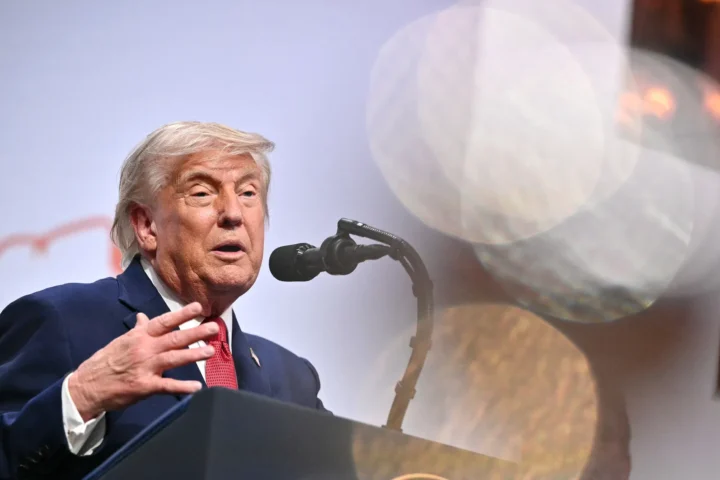
Instead, Carney faces a summit overshadowed by geopolitical turmoil and the unpredictable presence of U.S. President Donald Trump.
“Carney is under the microscope from the moment he greets Trump,” said John Kirton, director of the G7 Research Group at the University of Toronto. “This summit will be a tightrope walk — managing Trump while maintaining unity among Western allies.”
The Trump Factor Returns
Trump’s re-election last November has emboldened his foreign policy agenda and revived memories of his last G7 trip to Canada in 2018, which ended in acrimony. That summit produced a now-iconic image of German Chancellor Angela Merkel and others confronting a defiant Trump, who left early and launched a verbal attack on then-Prime Minister Justin Trudeau aboard Air Force One.
Seven years on, many of the same tensions persist. Trade, migration, national security, and tariffs — which Trump has used to “rebalance” economic relationships — will dominate closed-door talks. Trump’s claim that the U.S. has been “looted and pillaged” by global allies still echoes through diplomatic circles, creating a tense atmosphere for Monday’s scheduled one-on-one with Carney.
A New Format, Familiar Fault Lines
Learning from the 2018 debacle, Canadian officials have opted to skip a final communique — the traditional joint statement — and instead issue a series of shorter, targeted declarations on areas of consensus like wildfires, critical minerals, and AI governance.
This move reflects the reality of a fractured global alliance. The G7, often described as a “consensus body,” is increasingly struggling to find common ground on pressing global challenges.
Climate, AI, and Ukraine on the Table
While climate change is not expected to yield broad new commitments, it features prominently in discussions, especially following Canada’s worst wildfire season in 2023 and ominous signs of a repeat this year. The smoky haze that has reached both North America and Europe is a vivid reminder of the stakes.
The summit will also address emerging issues such as the role of artificial intelligence in governance and securing critical mineral supply chains. Ukraine remains central to the agenda, with President Volodymyr Zelensky attending to push for increased sanctions on Russia and additional funding for reconstruction.
High Stakes and Geopolitical Undercurrents
Beyond the G7’s core members, Carney has invited a diverse and potentially divisive group of leaders. Among them: Indian Prime Minister Narendra Modi, whose appearance follows tensions with Canada over the killing of Khalistan extremist Hardeep Singh Nijjar on Canadian soil — an act Canada has attributed to Indian operatives, without any evidence.
The invitation signals a thaw in diplomatic ties, but has sparked backlash among a handful of Khalistan extremists.
Also attending is Mexico’s new President, Claudia Sheinbaum, marking her first sit-down with Trump, and adding a new dimension to discussions on North American trade. Leaders from NATO, the EU, and key partners such as Brazil, South Africa, South Korea, and Australia are also present.
Walking a Diplomatic Tightrope
With the world watching, Carney must navigate a summit laden with risks — both diplomatic and personal. Whether he can hold the G7 together, secure gains for Canada, and keep Trump from walking out as he did in 2018 will determine not only the summit’s success but potentially the trajectory of Canada’s role in global affairs.
“The goal,” Carney recently said, “is to be consistent — say the same thing in private as you do in public.”
In a week that promises tension, spectacle, and diplomacy under pressure, consistency may be his greatest asset.