Historic Peace Agreement
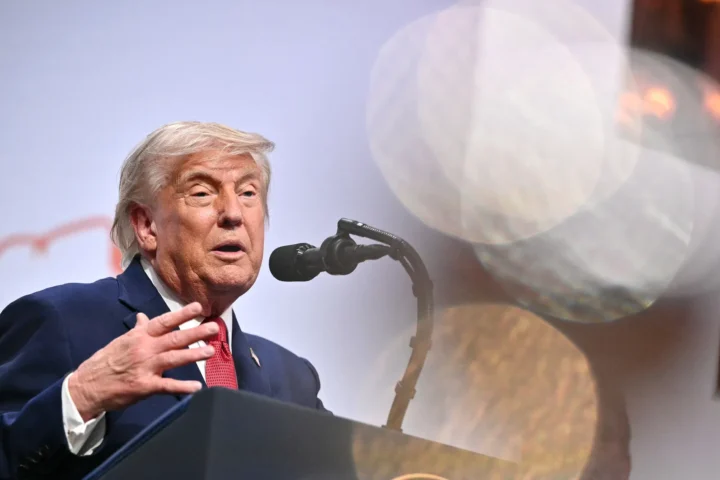
Signed in August 2025 at the White House, brokered by U.S. President Donald Trump, ending nearly four decades of conflict, mostly centered on the disputed Nagorno-Karabakh region.
Both countries pledged to permanently cease hostilities, establish diplomatic relations, and respect each other’s sovereignty and territorial integrity.
Nagorno-Karabakh Context
The conflict originated from Nagorno-Karabakh, a region within Azerbaijan populated mainly by ethnic Armenians. After Armenia supported the region’s secession, Azerbaijan regained control in 2023, resulting in the exodus of nearly 100,000 ethnic Armenians to Armenia.
Transit Corridor (“Trump Route”)
Agreement establishes a strategic transportation corridor through Armenia, linking Azerbaijan’s mainland to its Nakhchivan exclave, a key Azerbaijani demand.
The route is named the “Trump Route for International Peace and Prosperity” and is designed to facilitate trade, connectivity, and regional integration.
U.S. Economic and Development Rights
The U.S. is granted exclusive rights to develop and invest in the transit corridor, supporting U.S. firms’ infrastructure, energy, trade, and technology projects in the region.
Agreements also promote cooperation in energy infrastructure, transit, and technology, including artificial intelligence, between Armenia, Azerbaijan, and the United States.
Military and Security Cooperation
The U.S. lifted previous restrictions on military cooperation with Azerbaijan, deepening defense ties and regional security collaboration.
Regional and Geopolitical Impact
The accord is seen as shifting influence away from Russia and toward the United States in the South Caucasus.
Turkey, a close Azerbaijani ally, praised the peace deal and the corridor’s establishment.
Both leaders of Armenia and Azerbaijan expressed support for nominating Trump for the Nobel Peace Prize, citing his personal involvement in brokering the deal.
Remaining Challenges
Concerns persist in Armenia about the corridor’s impact on sovereignty and historical grievances tied to ethnic expulsions and war trauma.
Unresolved issues include amendments to Armenia’s constitution and questions regarding the long-term security and rights of displaced populations.