
A growing number of countries — now more than 160 — have formally recognized a Palestinian state. In just the past week, the United Kingdom, France, Canada, and Australia joined the list. The move marks a powerful diplomatic gesture, but with Israel’s opposition and the United States’ firm stance against it, the chances of a Palestinian state becoming a political reality remain remote.
What “Recognition” Actually Means
Recognition of a Palestinian state is largely symbolic — a declaration of political support rather than a legal transformation. It signals backing for the long-stalled two-state solution, under which Israel and Palestine would exist side by side in peace.
British Prime Minister Keir Starmer described recognition as a step toward “a viable Palestinian state co-existing with a secure Israel.” Yet even he acknowledged that such a vision is far from achievable today, as Israel’s government continues to reject the notion of Palestinian statehood outright.
Why Now?
Much of the recent momentum stems from the war in Gaza. The ongoing Israeli military campaign and the worsening humanitarian crisis have shifted global opinion. Leaders such as French President Emmanuel Macron argue that recognizing Palestine is a way to help end the conflict and rebuild a path toward peace.
Macron said in July, “We must finally build the State of Palestine, ensure its viability, and enable it — by accepting its demilitarisation and fully recognising Israel — to contribute to the security of all in the Middle East.”
Domestic politics also play a role. Across Europe, large pro-Palestinian protests have pressured governments to act. Public opinion has turned sharply against Israel, particularly amid mounting civilian casualties and destruction in Gaza. In many countries — including France, Britain, and Australia — sizeable Muslim populations have added political urgency to the issue.
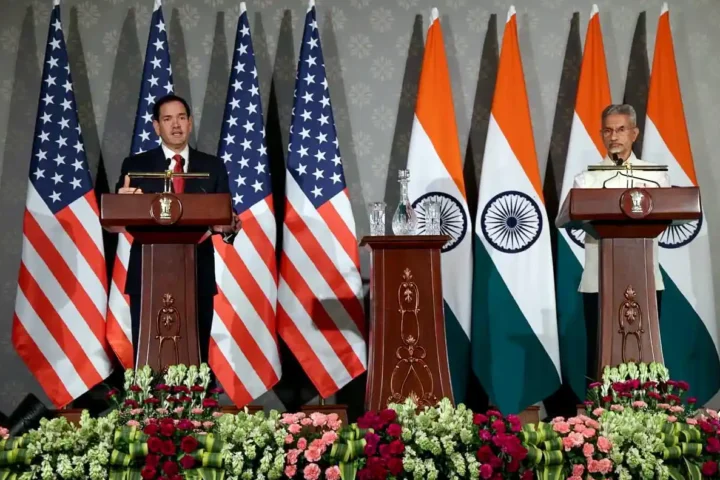
US Secretary of State Marco Rubio dismissed the moves as “responses to domestic politics,” saying governments were reacting to “protesters in their streets.”
The US and Israel Stand Apart
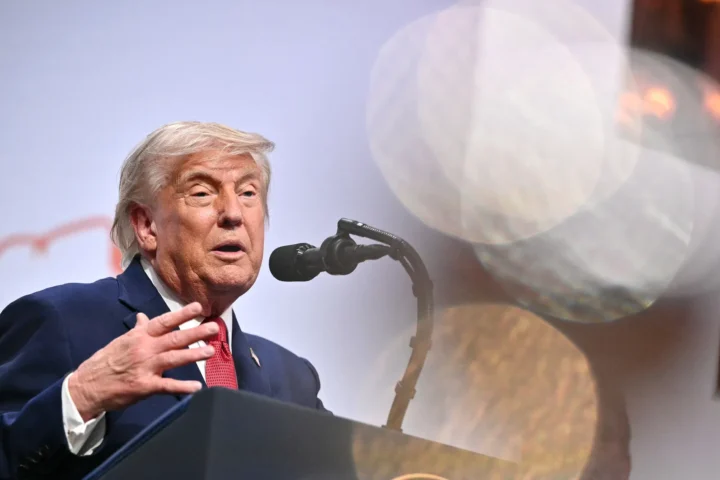
The United States, echoing Israel’s position, remains firmly opposed. President Donald Trump has called recognition of Palestine “a reward for terrorism,” repeating that stance at the United Nations General Assembly. Washington’s position has frustrated many allies but remains pivotal, as the US would veto any UN Security Council attempt to grant Palestine full statehood.
Rubio has gone further, calling France’s recognition “reckless” and accusing it of serving “Hamas propaganda.” Meanwhile, the Biden administration has continued to provide diplomatic and military backing to Israel and has not publicly opposed its expanding settlements in the occupied West Bank — a key obstacle to a two-state outcome.
The Conditions Being Set
Most Western governments say recognition is only one step in a longer process that will include reform within the Palestinian Authority (PA) and the holding of elections. Australia’s foreign minister said its decision came after President Mahmoud Abbas reaffirmed the PA’s recognition of Israel and pledged to hold elections and reform governance and education.
The governments making these moves have made one thing clear: Hamas cannot have a role in a future Palestinian state. A declaration by 27 states in July stated that Hamas “must end its rule in Gaza and hand over its weapons to the Palestinian Authority.” Leaders including Starmer have stressed that any Palestinian state must be demilitarized.
Who Would Lead a Palestinian State?
Leadership remains one of the great uncertainties. Mahmoud Abbas, at 89, has led the PA for nearly two decades and is deeply unpopular. His designated deputy, Hussein al-Sheikh, is seen as his most likely successor, but few Palestinians view the PA as effective or representative.
Polls consistently show that Marwan Barghouti, the jailed Fatah leader serving multiple life sentences in Israel, is the most popular Palestinian political figure. Israel, however, has vowed to keep him imprisoned.
A Two-State Solution on Life Support
Despite the diplomatic flurry, few believe recognition alone can revive the two-state solution. Starmer admitted over the weekend that it “hangs by a thread.” Israel’s control of much of Gaza, and its continuing settlement expansion and annexation discussions in the West Bank, have made the establishment of a Palestinian state increasingly unrealistic.
For now, the wave of recognitions serves mainly as a symbolic stand — a global reminder that, even as the war in Gaza continues, many nations still believe that peace in the Middle East must one day rest on two sovereign states.