Donald Trump is scheduled to make a state visit to China in mid‑May 2026, a trip widely seen as an attempt to stabilize a volatile but indispensable relationship between the world’s two largest economies. Expectations are for modest but symbolically important steps on trade, technology and the Iran crisis, rather than any “grand bargain.”
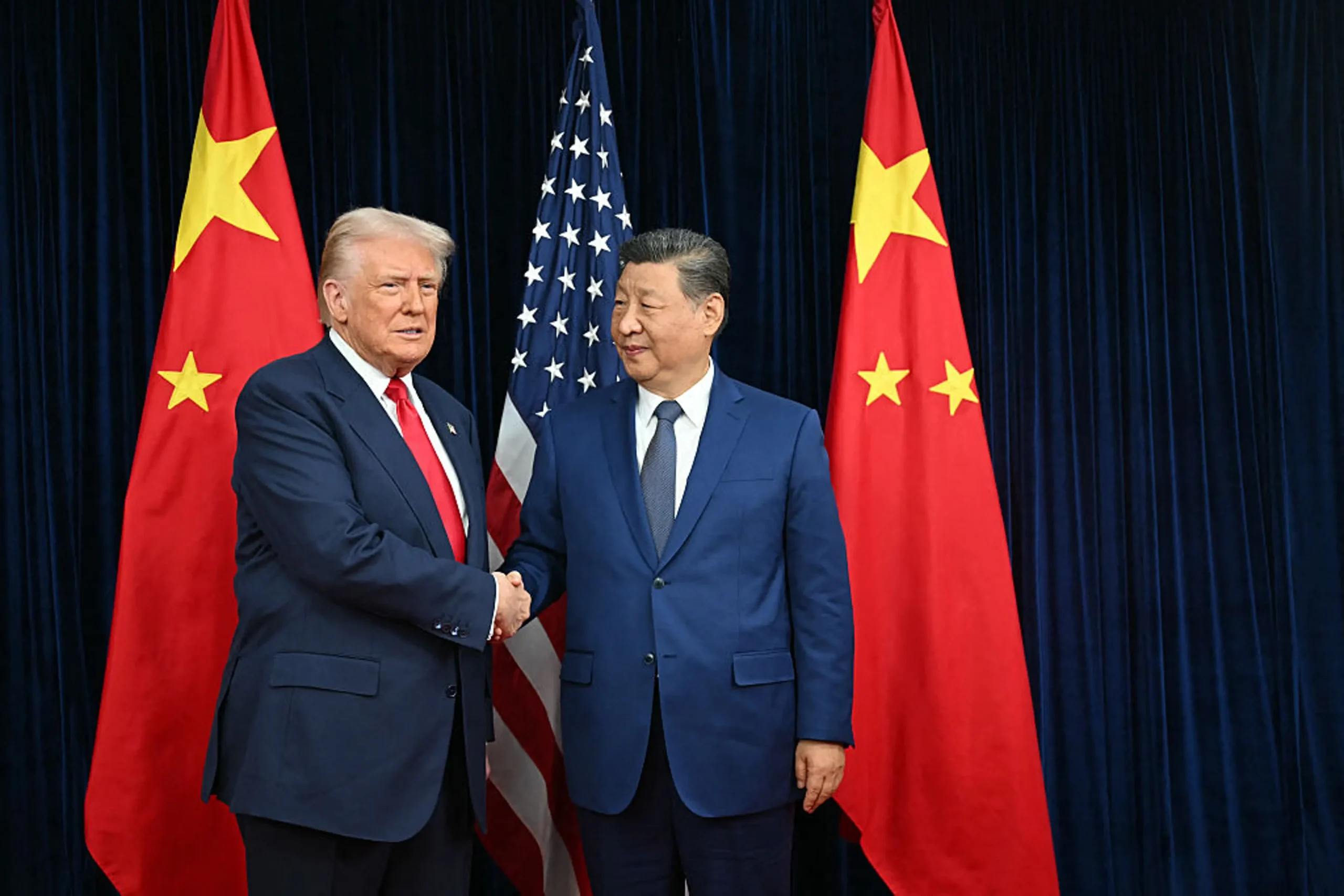
Trump will visit China from about 13–15 May 2026 (most official notices focus on 14–15 May), for a state visit hosted by President Xi Jinping in Beijing. It will be his second state visit to China after his 2017 trip, and the first visit by any U.S. president to China in nearly nine years.
The visit was originally planned for late March or early April but was postponed after the outbreak of a major war involving Iran in 2026, which has drawn in U.S. forces and disrupted global energy flows. The timing now reflects a joint effort to prevent U.S.–China tensions from worsening while Washington is distracted by the Middle East and Trump heads toward the November 2026 midterm elections.
Background: a turbulent second term
Since returning to office in January 2025, Trump has pursued an aggressive tariff‑first strategy toward China, at one point pushing U.S. tariff rates on Chinese goods as high as about 145 percent, which Beijing matched with its own measures. This escalation effectively froze much of bilateral trade before both sides rolled tariffs back to roughly 30 percent after negotiations in 2025.
The relationship has become a mix of economic confrontation and uneasy truces, with disputes over semiconductors, artificial intelligence, rare earth exports and Chinese tech platforms like TikTok. At the same time, the U.S. has deepened security ties with Japan, South Korea and the Philippines, feeding Chinese concerns about strategic encirclement in East Asia.
Trump’s China policy has also been marked by internal contradictions, such as placing major Chinese firms on a military blacklist and then quickly reversing course, or approving AI chip exports shortly after raising security alarms about them. Critics argue this unpredictability has weakened U.S. leverage, even as Trump insists tariffs have “flipped the script” on years of what he calls failed engagement.
What Trump hopes to gain
A core objective is to extract visible economic concessions that Trump can present to voters as proof he is forcing China to “deal fairly” with the U.S. economy. Negotiators are discussing a new “Board of Trade” mechanism to identify products and sectors where trade could expand while protecting national security and supply chains.
On specifics, Washington is pushing Beijing to commit to large‑scale purchases of U.S. goods, including poultry, beef and other non‑soy agricultural products, plus a pledge to buy around 25 million tonnes of soybeans annually for three years. The U.S. is also encouraging Chinese orders of Boeing aircraft and increased imports of American coal, oil and natural gas, with a long‑pending deal for up to 500 Boeing 737 MAX jets reportedly close if political conditions allow.
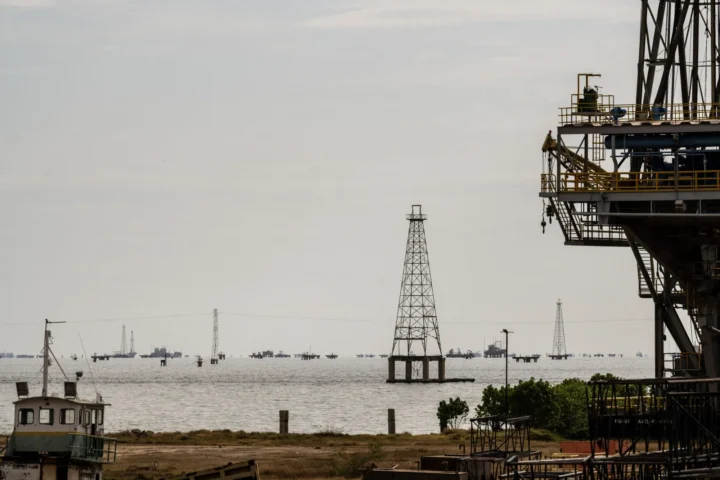
Beyond trade, Trump wants Chinese help in the Iran conflict, particularly on reopening the Strait of Hormuz and securing some form of ceasefire or “acceptable agreement” that he can claim as a diplomatic win. With the Iran war damaging the global economy and Trump’s reputation, the White House sees Beijing’s influence over Tehran as a key lever.
What Xi wants from the summit
For Xi, the top priority is to make U.S.–China relations more stable and predictable, especially on tariffs and economic pressure. Beijing wants a clear signal that the current trade truce will hold and that the U.S. will resist domestic pressure for another round of across‑the‑board tariff hikes.
China is also pressing for some easing or clearer rules around U.S. export controls on advanced semiconductors and other strategic technologies, which it argues go beyond legitimate security concerns. In return, it may offer calibrated steps on issues like rare earth exports or market access, but without sacrificing its long‑term technological ambitions.
On security, Xi is expected to raise strong concerns about Taiwan and U.S. arms sales, seeking either explicit limits or at least softer language that Beijing can present domestically as progress. More broadly, Chinese officials want to showcase Xi as the steady, responsible statesman hosting an unpredictable American leader, reinforcing the narrative that China is a more reliable global partner.
Key agenda areas
- Trade and tariffs
- Extend the existing tariff truce and possibly sketch a roadmap for gradual reductions, especially on politically sensitive farm products.
- Launch the Board of Trade and announce headline‑grabbing purchase deals (soybeans, meat, aircraft, energy) that both leaders can sell at home.
- Technology, chips and rare earths
- Negotiate guardrails around advanced semiconductor exports: the U.S. wants to preserve its security controls while providing enough clarity for business; China wants fewer blanket bans.
- Discuss China’s export controls on rare earths and critical minerals, which have become a powerful tool in its response to U.S. pressure.
- Iran, the Strait of Hormuz and global energy
- Security flashpoints and military signalling
- Manage tensions over Taiwan, the South China Sea and U.S. alliance activity in East Asia.
- There may be moves to restore or strengthen military hotlines and crisis‑management mechanisms to prevent accidents from spiralling into confrontation.
- Fentanyl and law‑enforcement issues
What outcomes are realistically expected
Analysts across think tanks and news outlets broadly agree that major structural breakthroughs—like a comprehensive trade deal or a fundamental reset in the security relationship—are unlikely. Instead, the most plausible results are a package of incremental measures: extended tariff truces, purchase commitments, and new dialogue mechanisms on trade, technology and military issues.
On Iran, observers expect carefully worded joint statements calling for de‑escalation and freedom of navigation, plus behind‑the‑scenes Chinese pressure on Tehran, rather than a dramatic public peace deal. Symbolically, simply holding a relatively smooth, incident‑free summit would itself be framed as success, given the past few years of escalating rhetoric and sanctions.
Risks and what could go wrong
Trump’s personal unpredictability and the fragmentation inside his administration create real downside risk for the summit. Preparations have already exposed internal disagreements, for example over the size and role of the U.S. CEO delegation, which will be much smaller than in 2017 and was invited at the last minute.
A sudden tariff threat, an off‑script remark on Taiwan, or a surprise move on a Chinese tech firm could derail talks or force Xi to respond sharply for domestic reasons. Conversely, if Beijing overplays its hand—say, by pushing too hard on U.S. security commitments—it could strengthen China hawks in Washington and make post‑summit cooperation harder.
Why this visit matters (a lot)
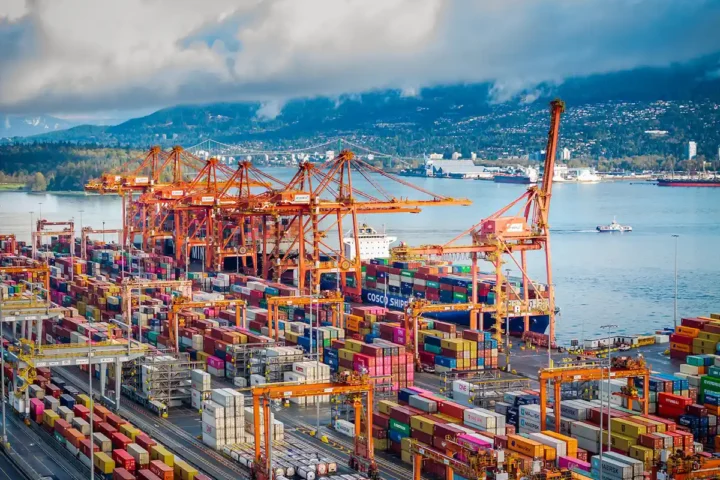
Because the U.S. and China sit at the heart of global supply chains and capital flows, even modest stabilisation between them can reduce uncertainty for markets, energy prices and smaller economies that are caught in the cross‑fire. A clearer truce on tariffs and technology would help firms plan investments in sectors from electronics to aviation and agriculture.
At the same time, neither side is abandoning strategic competition, especially in advanced technology and regional security, so the best realistic outcome is “managed rivalry” rather than genuine partnership. For countries like India, Southeast Asian states and U.S. allies, a calmer U.S.–China relationship after the Beijing summit would lower immediate geopolitical risk but also intensify pressure to navigate between two self‑confident great powers shaping the emerging world order.