The European Commission has unveiled its ambitious €1.8 trillion post-2027 budget proposal, sparking immediate debate across the bloc as member states tally up their expected gains and losses.
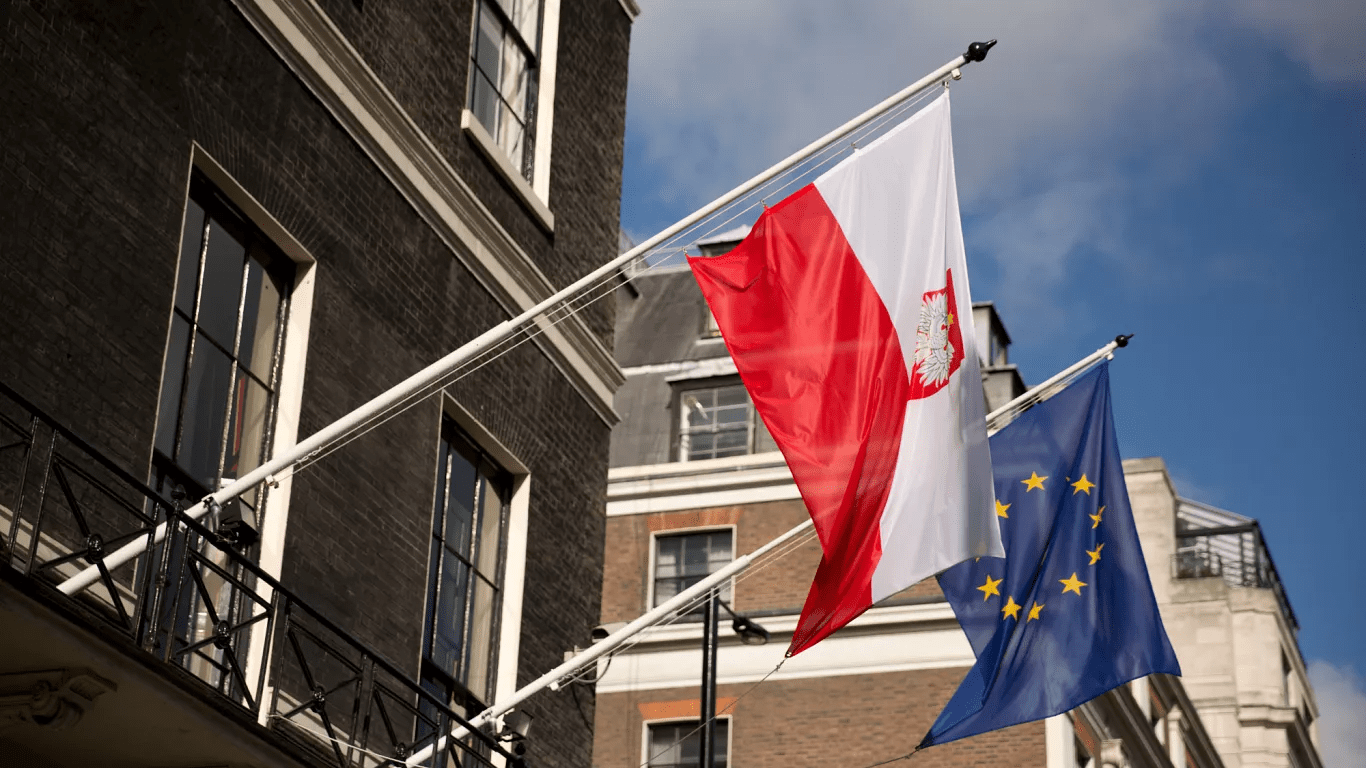
Poland is the clear frontrunner in the new financial framework, securing €123.3 billion from the National and Regional Partnership Plans — a newly created €865 billion fund that merges agricultural, regional, and migration allocations. The Polish windfall surpasses that of any other EU member, with France, the second-largest beneficiary, receiving more than €30 billion less.
Warsaw Celebrates “Biggest Beneficiary” Status
Polish officials wasted no time in celebrating the news. EU Budget Commissioner Piotr Serafin, himself Polish, appeared in a video alongside European Affairs Minister Adam Szłapka outside the European Commission headquarters, hailing what he called “the biggest, most ambitious EU budget in history.”
Szłapka used the moment to jab at the nationalist opposition Law and Justice (PiS), blaming it for previously frozen EU funds. “Under PiS rule, Poland’s cohesion money was blocked,” he said, referring to pandemic recovery funds withheld over rule-of-law disputes.
Prime Minister Donald Tusk, facing domestic political turbulence, is seizing on the EU budget as proof of his government’s ability to restore Poland’s reputation in Brussels. Tusk’s coalition argues that Poland’s improved relations with the EU are already paying dividends.
However, critics note that Poland has long been the EU’s top recipient of agricultural and regional funding. Under the current 2021–2027 budget, negotiated by the PiS government, Poland was allocated €112 billion — not far below the new figures.
Not Everyone is Happy
The new budget proposal has already drawn sharp criticism from other European capitals.
In Budapest, Prime Minister Viktor Orbán dismissed the plan as a “Ukrainian bailout,” declaring, “What’s left? Less than ever. I will never support this.”
Meanwhile, Germany — the EU’s largest net contributor — expressed frustration over the budget’s scale. Finance Minister Lars Klingbeil called the proposal “unacceptable,” while Chancellor Friedrich Merz’s office stressed Berlin “will not be able to accept” the plan as it stands. Germany is set to receive €68.4 billion, despite contributing €33.8 billion to the EU budget in 2023 and recouping only 41 cents per euro.
Agriculture Cuts Stir Anger
The proposed restructuring of EU funds has also angered farmers across the continent. Agricultural spending would drop nominally from €386.6 billion in the current budget to €300 billion, a cut of more than 20 percent. Farmers’ groups have labeled the move a “betrayal,” warning that inflation will erode the value of remaining subsidies.
Serafin, however, insisted that direct payments to farmers would remain stable, calling the proposal “a good starting point for an exchange of views.” Szłapka echoed that sentiment, saying cohesion and agriculture “need to remain strong and adequately funded.”
The Road Ahead
The budget proposal now faces months of tense negotiations as member states push for revisions. The sharp disparities between net contributors like Germany and major beneficiaries such as Poland are expected to dominate the talks, alongside heated debates over agricultural funding and migration allocations.
If approved, the plan would mark the EU’s largest financial package in history — and cement Poland’s position as its biggest winner.