California lawmakers are weighing a controversial new approach: slashing environmental permitting requirements to speed up clean energy projects.
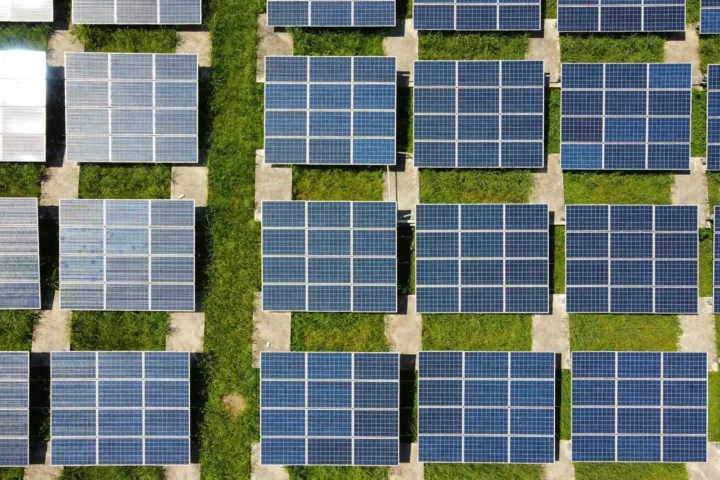
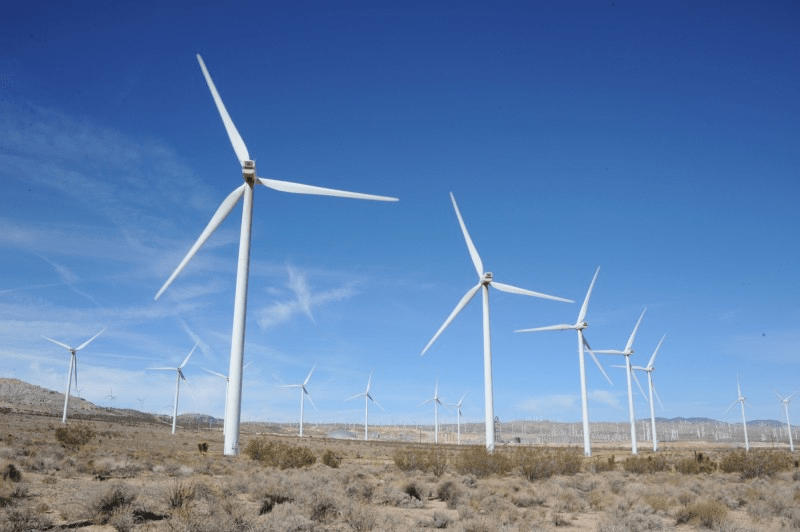
The move comes in response to a newly enacted federal budget package, which eliminates key tax credits that once fueled the state’s clean energy transition. The cuts strike at the heart of California’s efforts to build large-scale solar and wind farms, boost home energy efficiency, and expand the electric vehicle market.
Facing a tight state budget, lawmakers and clean energy advocates say they have little choice but to accelerate project approvals. That effort may come at the cost of California’s long-standing environmental review laws — and it’s already sparking tension between environmentalists and climate advocates.
State Senator Scott Wiener, chair of the Senate Budget Committee, is leading the charge to ease permitting restrictions. He has suggested that California should consider exempting clean energy projects from the California Environmental Quality Act (CEQA), a 1970 law widely credited with protecting ecosystems but often criticized for stalling development.
“Wouldn’t it be a tragedy for California if we lost a bunch of these clean energy projects because of a screwed-up permitting system?” Wiener said.
The urgency stems from new federal requirements mandating that energy projects begin construction by July 4, 2026, or go into service by the end of 2027 to qualify for remaining subsidies — a daunting deadline for a state often bogged down by permitting delays.
Across the nation, nearly 800 projects risk losing vital tax breaks, including 60 in California that have yet to begin construction.
“There is no sugar-coating this,” said Alex Jackson, executive director of American Clean Power-California. “This is a major setback to the affordable clean energy transition.”
Jackson argues the best path forward is for the state to streamline its own bureaucracy. He points to recent legislation that exempted various infrastructure and industrial projects from CEQA as a model, and says lawmakers must build on that momentum.
But that strategy is drawing fire from environmental groups, who see it as an erosion of hard-won protections. They remain wary, particularly after the state recently granted CEQA exemptions to advanced manufacturing plants — facilities that some fear could pose environmental risks.
“We would want any streamlining to be restricted to truly clean tech, unlike the advanced manufacturing provision just put in law,” said Bill Magavern, policy director at Coalition for Clean Air.
That skepticism surfaced in the Capitol last week when State Senator Caroline Menjivar pushed back on a suite of smaller CEQA-related bills, arguing that recent decisions have already tipped the balance too far in favor of deregulation.
Even as debate rages over permitting, lawmakers are exploring ways to offset other losses caused by the federal cuts — including the elimination of a $7,500 electric vehicle tax credit. Governor Gavin Newsom has proposed redirecting revenues from the state’s cap-and-trade auctions to bolster EV incentives, though that money is already in high demand.
This year alone, $1 billion in cap-and-trade revenue has been committed to California’s firefighting agency — a move some advocates say undermines the state’s climate goals.
“If we do support and prioritize clean air and clean cars, then that decision was counter to that,” said Melissa Romero, policy advocacy director at California Environmental Voters.
The coming weeks will test California’s ability to reconcile environmental protection with the urgent need for clean energy infrastructure. With federal support waning, the Golden State is now being forced to choose: protect every environmental safeguard, or clear a faster path to a greener future.