After two years traversing the globe—from the kaleidoscopic coral reefs of Southeast Asia to the silent expanses of polar ice, from the tangled roots of mangrove forests to the turquoise-lapped shores of remote atolls—one lesson stands out above all: to truly know our world, we must explore it with intention.
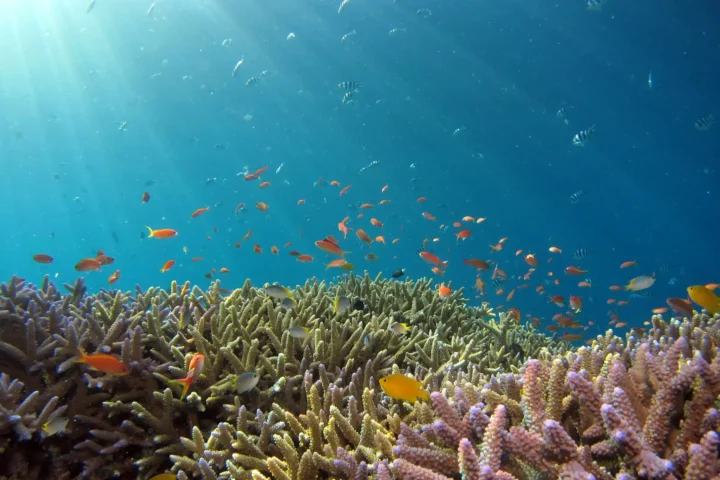
Traditional tourism, fueled by pace and novelty, has reached its limits. The industry now accounts for roughly 8 percent of the planet’s carbon emissions, straining natural habitats and local cultures under the crush of visitors. Pristine coral reefs suffer from careless sunscreens and dive boats. Iconic landmarks buckle beneath flash mobs of cameras. And the livelihoods of indigenous and rural communities are too often usurped by rising rental prices and outside investment.
Yet there is another path. What if travel were less about “ticking boxes” and more about stewardship? What if every journey became an opportunity for mutual enrichment rather than extraction?
From Footprints to Handprints
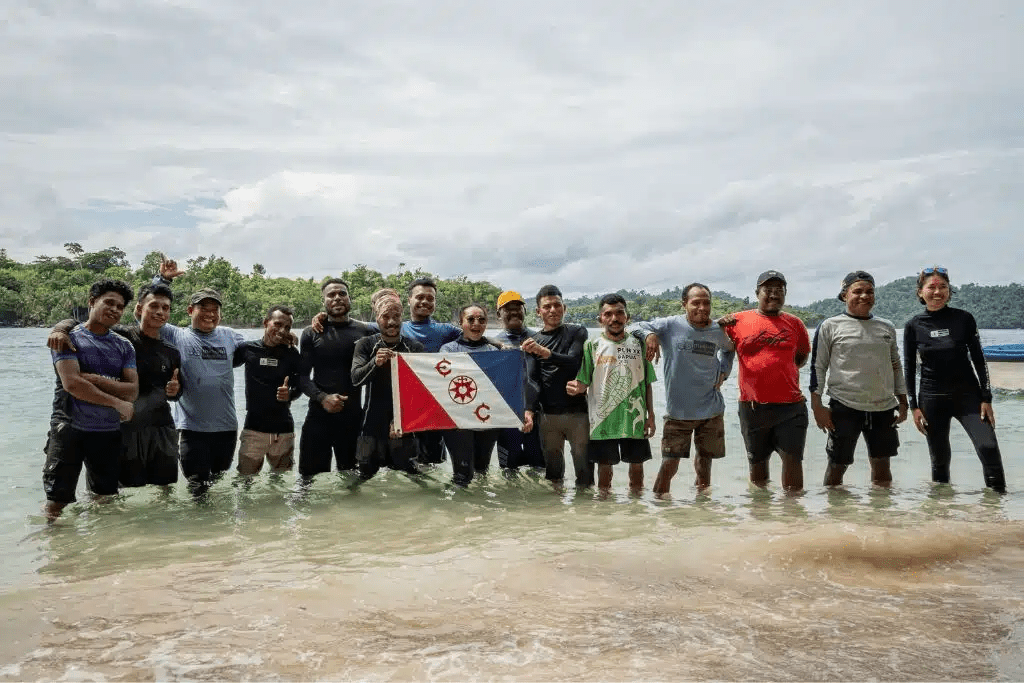
True exploration begins by asking the hard questions: Why this place? Who benefits from my presence? How can I give back? This shift—from consumption to contribution—transforms the traveler into a custodian. In Raja Ampat, Indonesia, our team partnered with village cooperatives to monitor reef health and support sustainable fishing practices. In New Zealand, we joined local conservationists in their nightly patrols, guarding penguin colonies from predation and human disturbance. These experiences taught us that one’s “impact” is measured not in photographs but in the hands we hold and the habitats we help preserve.
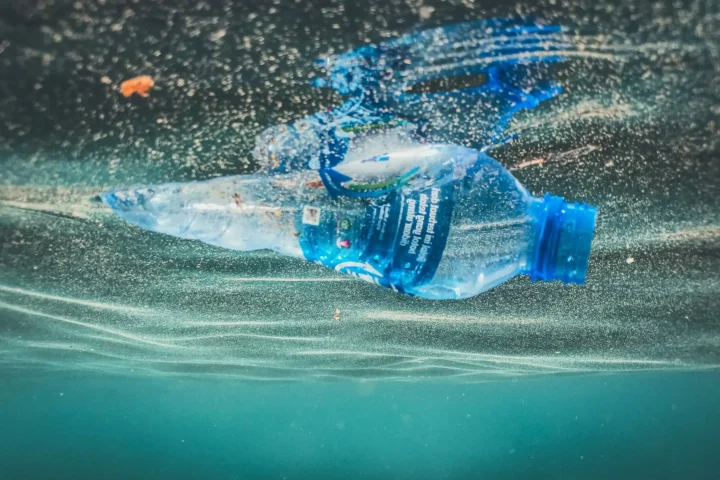
Small, deliberate choices matter. Opting for reef-safe sunscreen, carrying a reusable water bottle instead of succumbing to single-use plastics, and seeking out family-run guesthouses over sprawling resorts: these decisions accumulate into a profound collective effect. A direct flight may shave travel time by only a few hours, but can slash carbon emissions by 20 percent compared with itineraries heavy on layovers. And when flying is unavoidable, credible carbon-offset programs—such as those vetted by the International Air Transport Association—allow us to balance our atmospheric ledger by financing reforestation or renewable-energy projects.
Redefining the Gap Year
Imagine sabbaticals and gap years recast as seasons of service. Across four continents, we encountered engineers repairing mangrove boardwalks, writers amplifying local narratives in endangered dialects, and students turning their vacations into volunteer stints for coastal replanting. These aren’t mere volunteer vacations—they are exchanges of skill, time, and empathy. By embedding ourselves in community-led initiatives, we walk away not only with fresh memories but with deep relationships and measurable contributions.
As philosopher Agnes Callard noted in her provocative essay The Case Against Travel, routine tourism offers little room for transformation; we return home unchanged, souvenirs in hand. But conscious exploration demands vulnerability. It invites us to relinquish the illusion of control, to slow our pace, and to open ourselves to being shaped by the places we visit.
Beyond Offset to On-the-Ground Action
Offsetting carbon emissions is important, but it cannot be the sum total of our efforts. We must practice what we preach in every detail of our itineraries. During our travels, we compiled a checklist of essentials: reef-friendly sunscreens certified by international marine-conservation bodies; refillable toiletry containers sourced from zero-waste brands; partnerships with certification schemes—such as Rainforest Alliance or Fair Trade—to ensure accommodations and tour operators meet rigorous ethical and environmental standards.
Equally vital is directing our tourism dollars to local entrepreneurs. Whether it’s hiring a village guide for a forest trek, purchasing handicrafts at community markets, or contributing expertise to build digital platforms for remote artisans, each dollar can ripple outward, strengthening social fabrics rather than unraveling them.
Toward a Regenerative Future
Conscious exploration is not a rigid doctrine but an evolving mindset. It thrives on inquiry—continually asking how we can tread more lightly, give more freely, and learn more deeply. It compels us to recognize that every journey is an opportunity to restore rather than deplete, to respect rather than exploit, and to build bridges rather than leave scars.
The next chapter of travel must be written not with suitcases and snapshots, but with humility, curiosity, and collaboration. For in the end—when the ice sheets have receded, the coral has bleached, and the cruise ships have sailed elsewhere—the truest testament to our travels will be found in the people and places we have nurtured along the way.