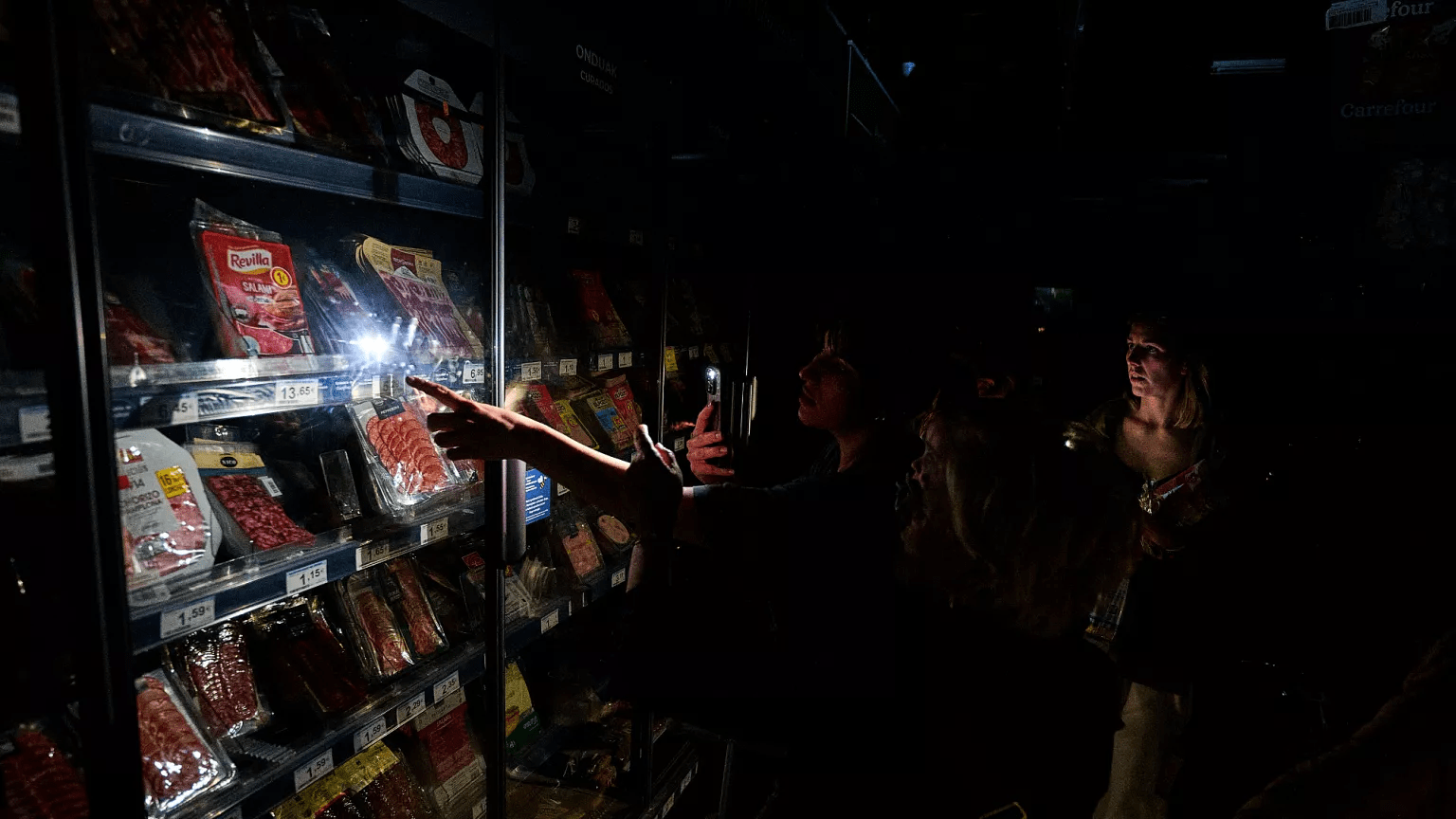
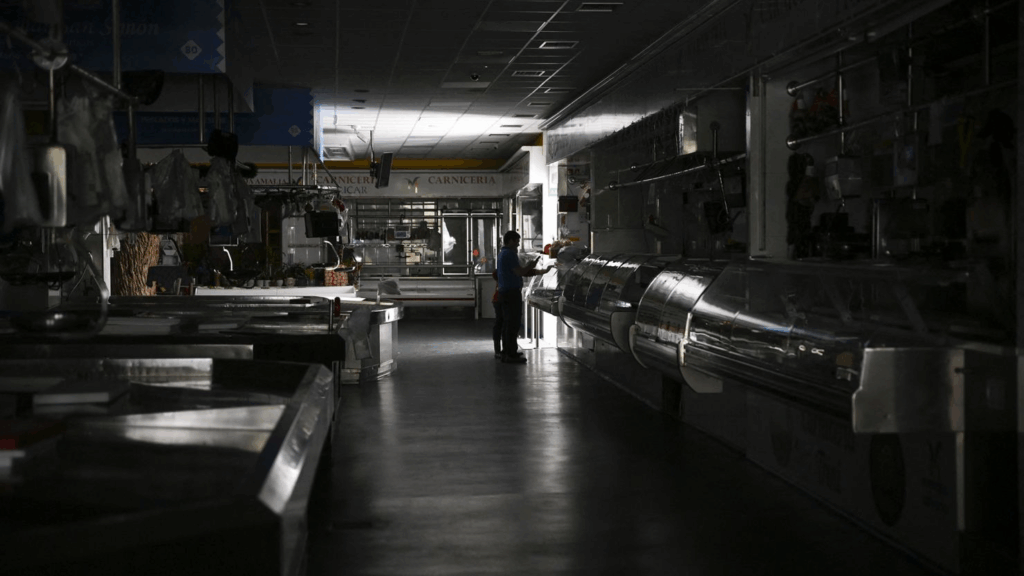
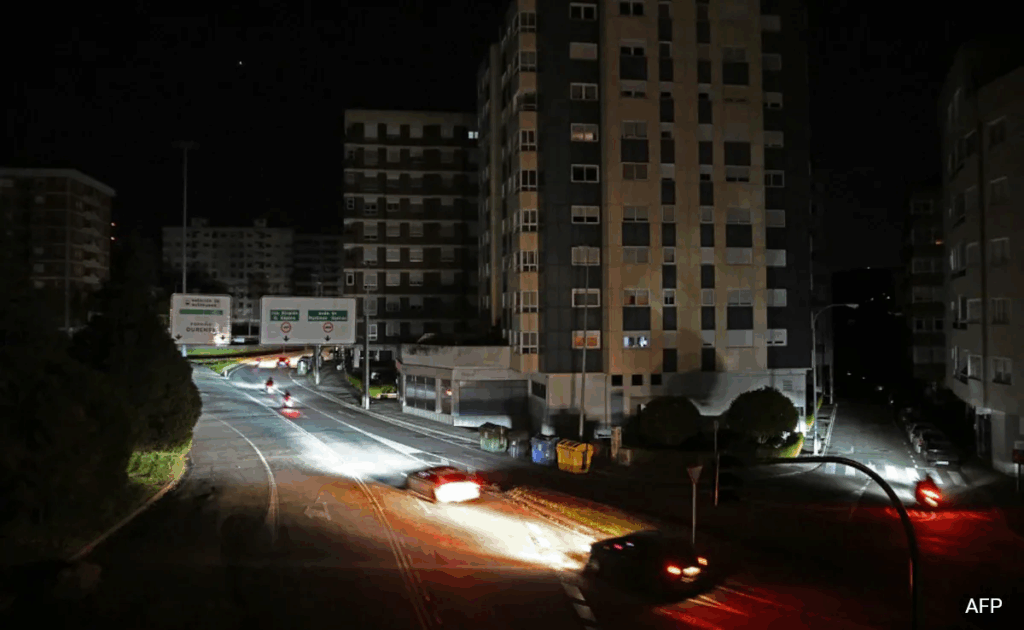
On a bright Monday afternoon in late April, Spain and Portugal were plunged into darkness. Trains ground to a halt, telecommunications failed, and millions found themselves walking home through paralyzed cities. In a continent racing to decarbonize, the largest blackout in Europe’s history has forced a reckoning: what does “energy security” mean in an era where renewables dominate the grid?
Not Your Grandfather’s Energy Crisis
For decades, Europe’s energy security nightmares centered on oil embargoes or gas cutoffs from geopolitically fraught suppliers. Today, the threat is different. As Spain’s blackout showed, the new risk is not scarcity of fuel, but the technical and operational challenges of running a grid on clean, but variable, energy.
At the moment of crisis, nearly 60% of Spain’s electricity came from solar panels, with wind and nuclear making up most of the rest. When solar generation suddenly plummeted-by 10 gigawatts in just five minutes-the grid couldn’t compensate. The result: cascading failures, disconnection from France, and a blackout that swept across the Iberian Peninsula.
The Inertia Problem
Unlike coal or nuclear plants, solar and wind installations lack “mechanical inertia”-the kinetic energy stored in spinning turbines that helps stabilize grid frequency during sudden shocks. Without this buffer, the grid becomes brittle. As one electrical engineering professor put it, “With low interconnection capacity and a high proportion of inverter-based renewable generation, our grid is now more vulnerable and has less capacity to respond to disturbances”.
Don’t Blame Renewables-Blame the System
It’s tempting to point the finger at renewables. But the blackout is not an indictment of clean energy itself, but of the failure to upgrade infrastructure and grid management to match the new reality. Spain’s energy revolution-among the fastest in Europe-has slashed emissions, lowered prices, and boosted national autonomy. Yet, grid design, storage, and risk planning have lagged behind.
As Bloomberg’s Javier Blas observed, “Spain’s blackout shouldn’t trigger a retreat from renewables, but shows that an upgraded grid is urgently needed for the energy transition”. The world didn’t abandon fossil fuels after New York’s 1977 blackout; it shouldn’t abandon solar and wind now.
A Strategy Stuck in the Past
Spain’s energy security strategy, last updated in 2015, was built for a different era-one focused on oil, gas, and nuclear as bulwarks against foreign dependence. Since then, the world has changed: pandemics, supply chain crises, and war in Ukraine have reshaped global energy flows, while Spain’s own grid has become dominated by renewables. Yet, strategic planning has failed to keep pace, shifting from “energy security” to “energy vulnerability” in official reports.
The Path Forward: Storage, Flexibility, and Smarter Grids
What Spain’s blackout makes clear is that energy security in the 21st century is about more than just supply. It’s about resilience, flexibility, and the ability to absorb shocks-whether from weather, technical faults, or cyber threats. That means:
- Massive investment in energy storage-batteries and other technologies that can buffer the grid when renewables dip.
- Maintaining a stable “baseload” of synchronous generators-hydro, gas, or even nuclear-to provide inertia and frequency control.
- Modernizing grid management and interconnections-so that national grids can better share power and respond to local disruptions.
- Adapting policy and planning-to recognize that energy security is no longer just about fuel imports, but about system stability in an age of climate change and technological transformation.
A New Meaning for Energy Security
Spain’s blackout is a warning, not a verdict. The future will be powered by renewables, but only if we invest in the invisible infrastructure-storage, smart grids, and system flexibility-that makes clean power reliable. Energy security now means keeping the lights on in a world where the sun doesn’t always shine and the wind doesn’t always blow.
If Spain can learn from this crisis, it may yet become a model for how to build a resilient, decarbonized grid. If not, the darkness may return-reminding us that the green transition is not just about generating clean energy, but about delivering it, securely, to everyone.