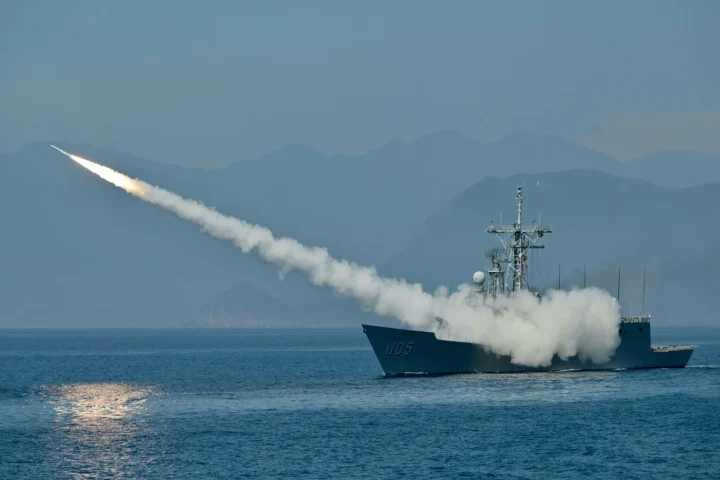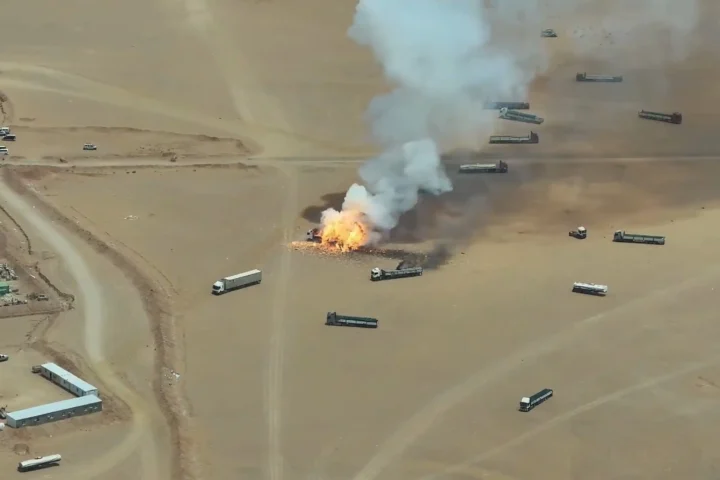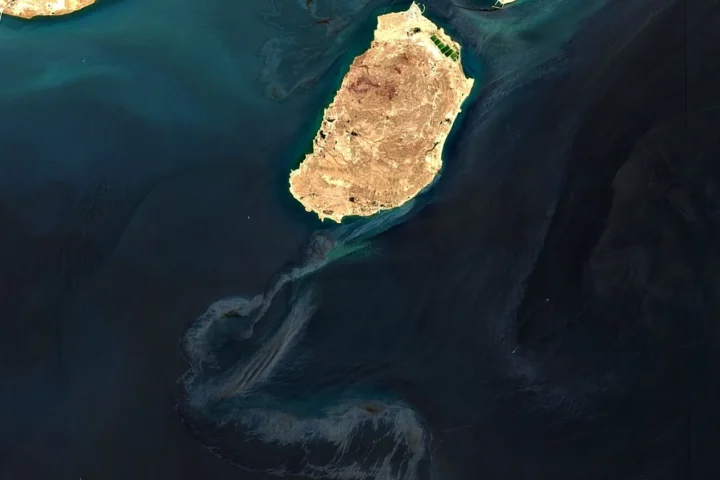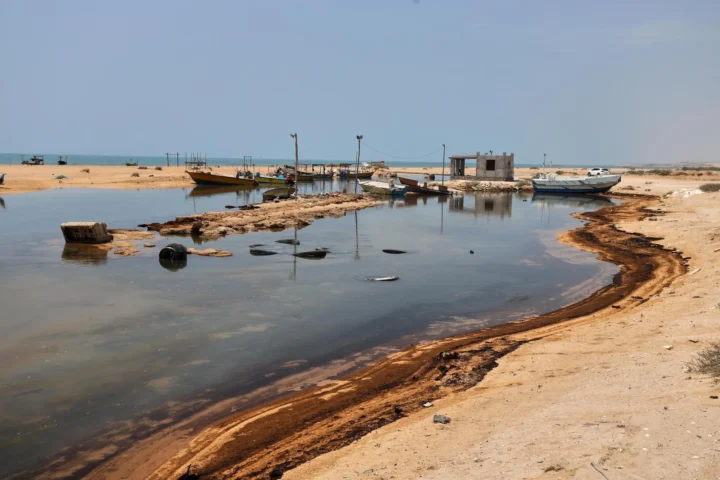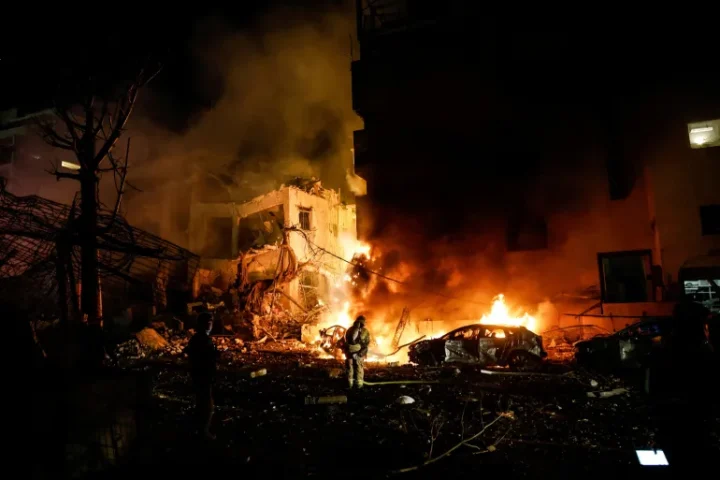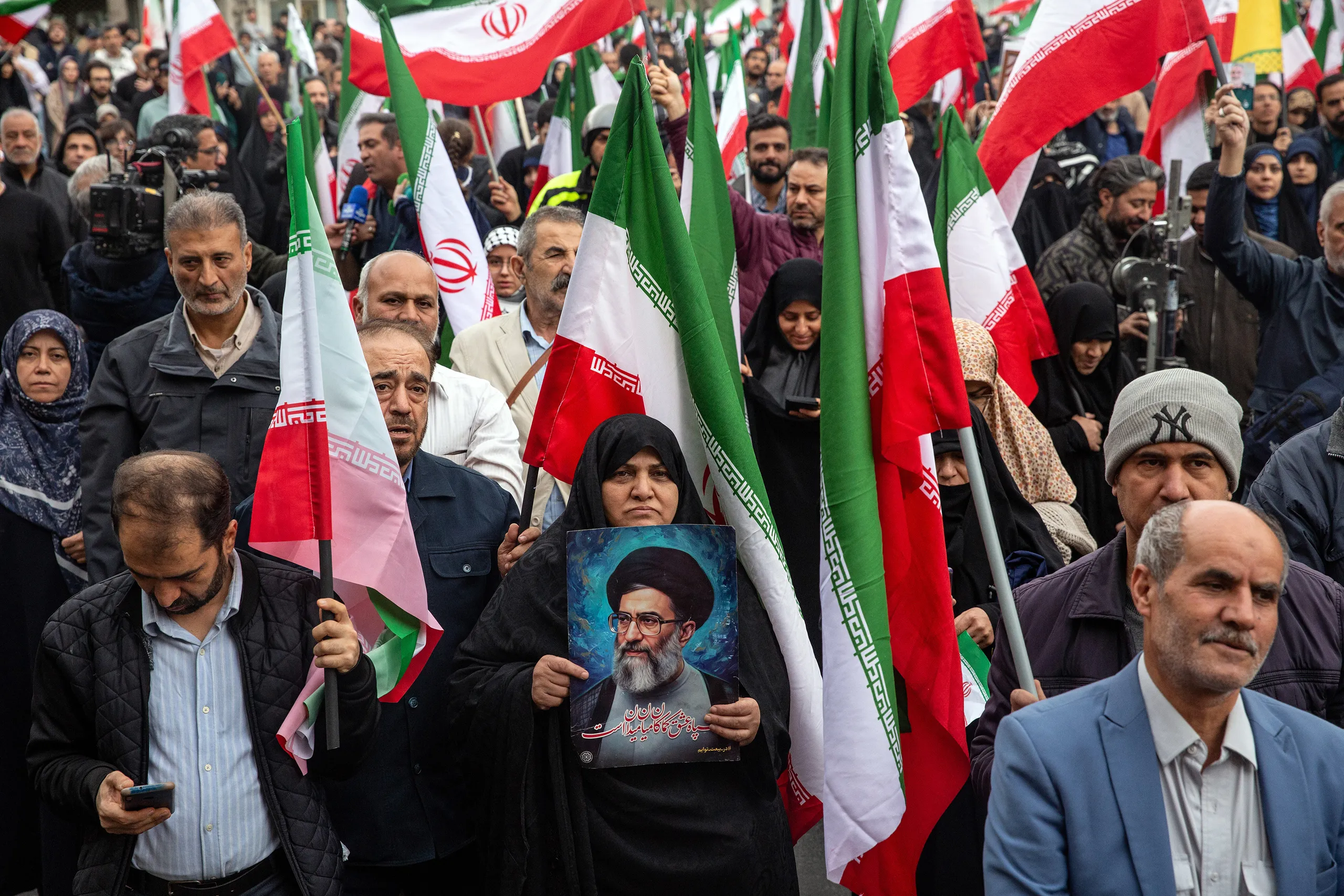
In the chaotic aftermath of Operation Epic Fury, the February 28, 2026, U.S.-Israeli strikes that killed Supreme Leader Ali Khamenei and shattered Iran’s top military command, the Islamic Republic stands at the precipice. Nearly 900 precision strikes in a single day gutted missile sites, air defenses, nuclear facilities, and leadership bunkers. Retaliatory barrages of Iranian drones and missiles have rained down on Gulf oil terminals, U.S. bases, and Israeli cities, killing over 2,000 and spiking global energy prices. Yet Tehran’s conventional arsenal is crippled, its proxies are running low on munitions, and domestic protests—brutally suppressed with the massacre of more than 30,000 civilians in January and February—are simmering beneath the surface of an economy in free fall.
This is not a regime preparing for dignified surrender. It is a regime in survival mode. And history, strategy, and the cold logic of asymmetric warfare all point to one terrifying probability: Iran will turn to terrorism, targeting soft civilian sites rather than hardened military ones. Desperation breeds asymmetry. When tanks cannot roll and missiles are intercepted, car bombs, assassinations-by-proxy, and mass-casualty plots become the weapons of choice.
The regime’s playbook is not new; it is simply being dusted off under existential pressure. For decades, Iran’s Islamic Revolutionary Guard Corps (IRGC) and its Quds Force have outsourced violence to maintain plausible deniability. The 1994 bombing of the AMIA Jewish community center in Buenos Aires, the 2012 Burgas bus bombing in Bulgaria, and the sophisticated plots against Iranian dissidents in Europe and the United States all bear Tehran’s fingerprints. More recently, Iranian operatives have increasingly subcontracted murder-for-hire to criminal networks—Russian mobsters in New York, Hells Angels members in Germany, petty thugs in the Netherlands—to target journalists, politicians, and synagogues. Dutch, German, and U.S. courts have documented these connections in chilling detail. The regime does not need sleeper cells when it can hire local criminals for cash and a plane ticket.
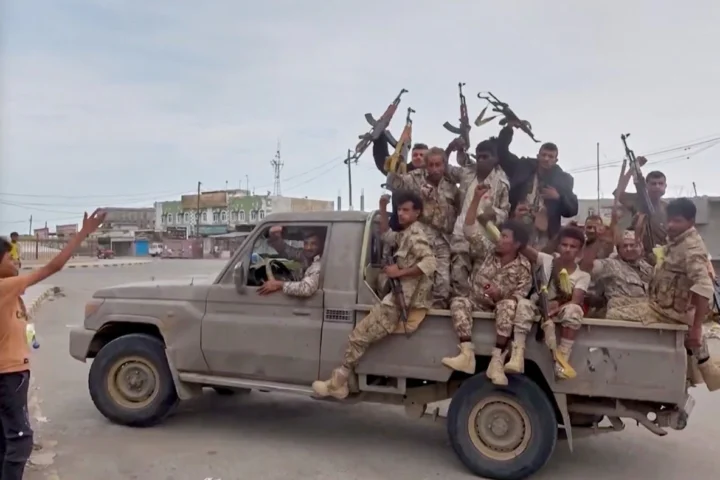
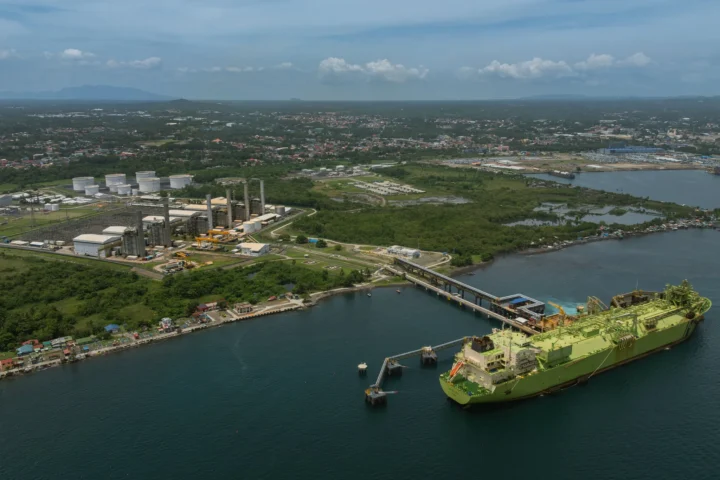
Why soft targets now? Because the old ways no longer work. Hezbollah and the Houthis, Iran’s most potent proxies, have been ground down by months of fighting. Houthi weapon stockpiles are depleted. Lebanese ports are rubble. Iranian ballistic-missile factories lie in ruins. Direct strikes on U.S. or Israeli military installations invite devastating retaliation—the very lesson of the past month. Soft targets, by contrast, offer maximum psychological return for minimal investment. A bombing at a Dubai shopping mall, a knife attack on a Jewish school in Paris, a cyber-physical assault on a Gulf LNG terminal, or the assassination of an Iranian-American activist in California—these are cheap, deniable, and broadcast live on every news channel. They sow fear, fracture alliances, and pressure Western governments to restrain Israel and the United States.
U.S. intelligence and European security services have already sounded the alarm. The Department of Homeland Security’s National Terrorism Advisory System bulletins from 2025 and early 2026 explicitly warned that Iranian-linked actors, including criminal cutouts, are eyeing civilian infrastructure and diaspora communities. The FBI has repeatedly disrupted plots against former U.S. officials and dissidents. Think-tank analyses from the Soufan Center and the International Centre for Counter-Terrorism in The Hague describe a regime “reverting to old-school terror tactics” precisely because its conventional and proxy options have been degraded. Iran has even floated horizontal escalation—terror attacks on Emirati, Israeli, and American targets across Africa—precisely because those venues appear softer than fortified bases in the Gulf.
The regime’s calculus is brutally simple: survival through chaos. With Mojtaba Khamenei, the new Supreme Leader, clinging to power amid reports of internal purges and mass repression, the mullahs understand that only one thing might force Washington and Jerusalem back to the negotiating table—images of Western civilians bleeding on the evening news. Economic collapse, youth unemployment exceeding 30 percent, and the lingering trauma of the “Woman, Life, Freedom” movement have already eroded legitimacy. If the regime cannot win on the battlefield, it will try to win by making the costs of continued pressure unbearable for democratic societies with short attention spans.
Skeptics will argue that Iran prefers calibrated escalation and will stick to cyber attacks or proxy harassment. That underestimates the decapitation’s psychological impact. When your supreme leader is vaporized and your nuclear dream is set back years, restraint becomes a luxury. The same regime that orchestrated the 1983 Beirut barracks bombing and the 1996 Khobar Towers attack has never hesitated to kill civilians when cornered. Today’s corner is tighter than ever.
The West must respond with clarity, not panic. Intelligence-sharing among the Five Eyes and European partners must intensify. Joint task forces should target IRGC financing and criminal networks used as cutouts. Diaspora communities—especially Iranian exiles and Jewish populations—deserve visible protection. Gulf allies, already reeling from missile strikes on their energy infrastructure, need accelerated missile-defense upgrades and economic support to deny Tehran easy propaganda victories. Most importantly, the United States and Israel should maintain the credible threat of overwhelming retaliation against any state sponsor that crosses the terrorism threshold. Deterrence works only when it is believed.
Iran’s regime is not irrational; it is cornered. Cornered animals bite. The question is not whether Tehran will attempt terrorist spectaculars—it is where, when, and how many civilians will pay the price before the world recognizes that a desperate theocracy with nothing left to lose is the most dangerous kind of adversary. Soft targets are not a bug in Iran’s strategy; they are the feature. The civilized world must harden them, expose the sponsors, and refuse to reward barbarism with concessions. Anything less invites more bloodshed.