Wars have a way of claiming casualties no one anticipates. In the Middle East’s latest convulsion, the geopolitical wreckage has now reached OPEC itself — that sixty-year alliance of petrostates whose cohesion once underpinned the entire architecture of global energy markets. The United Arab Emirates’ shock exit from the cartel is not merely a fracture in an old institution. It is a signal that the rules of oil are about to be rewritten, and not in a way that benefits anyone.
For decades, OPEC’s central bargain was simple if imperfect: member nations would accept constraints on their sovereign right to pump oil in exchange for collectively managed prices. Saudi Arabia, as the cartel’s largest producer and informal enforcer, provided the credibility that made the system function. When markets overheated, Riyadh opened its taps. When prices crashed, it absorbed the pain of production cuts. The deal held — until, with increasing frequency, it didn’t.
In a world where oil starts flowing again through Hormuz and oil prices start deflating, there will be a race to maximise oil export volumes to keep revenues.
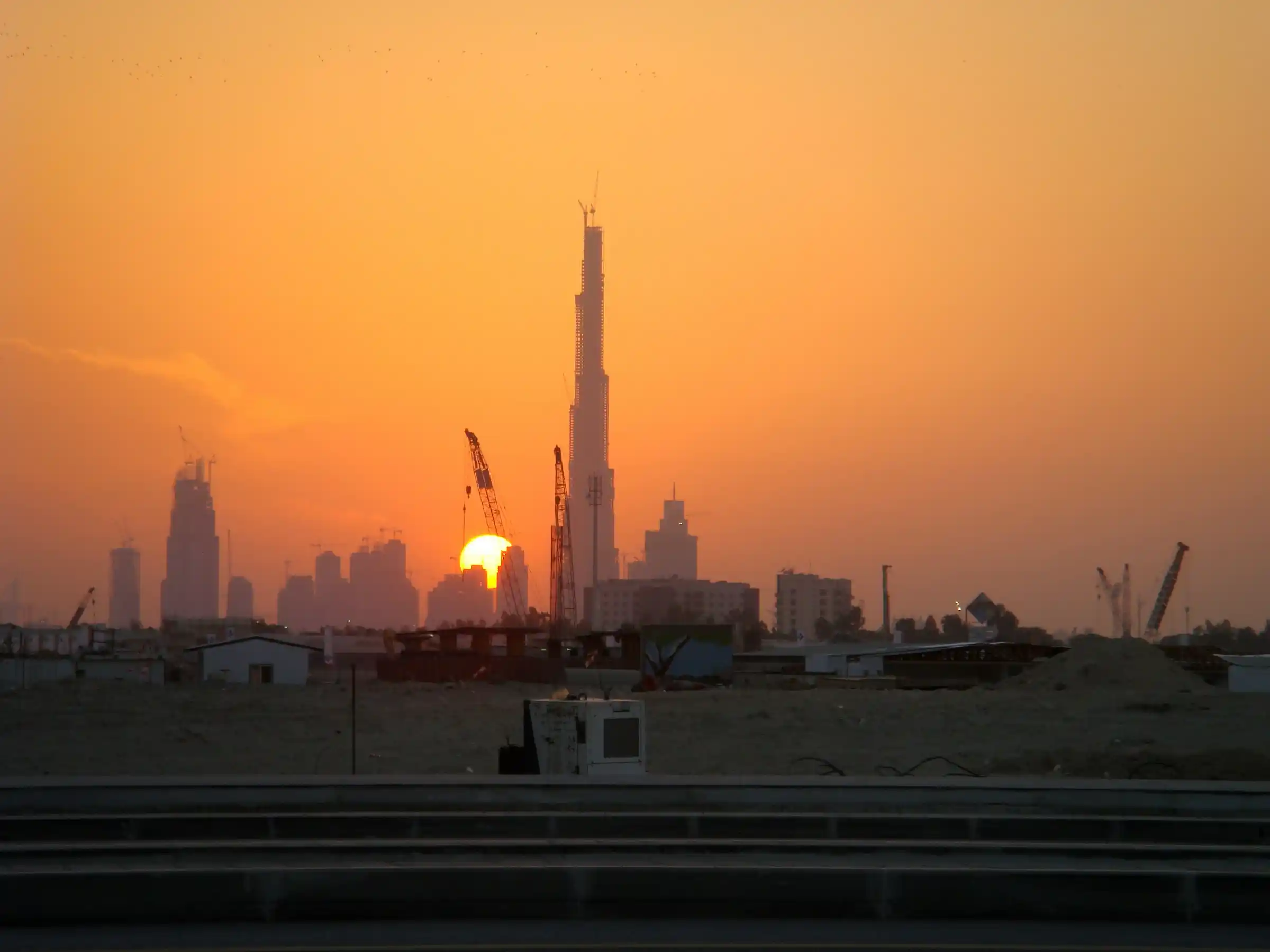
The UAE’s decision to abandon OPEC after six decades is, on one level, a rational act of self-interest. Abu Dhabi has spent years quietly expanding its production capacity and is now capable of pumping somewhere between 4.5 and 6 million barrels a day — well above the ceiling OPEC had imposed. Having made the investments, the Emirates has little desire to leave the returns on the table. But the timing — during an active conflict that has already throttled Gulf oil flows through a blockaded Strait of Hormuz — transforms what might have been an orderly departure into a declaration of economic war.
Saudi Arabia will not take this lying down. It rarely does. Riyadh’s responses to market challenges have historically been swift, punishing, and indifferent to collateral damage. In 2014, faced with an American shale boom it could not control through diplomacy, Saudi Arabia flooded the market and crushed prices — driving higher-cost producers to the wall and accepting years of strained state finances as the price of dominance. In 2020, it waged a brief but vicious price war against Russia before OPEC’s emergency cuts restored fragile equilibrium. Each episode left scars. Each episode also reinforced Riyadh’s conviction that overwhelming force is its preferred instrument.
The most plausible postwar scenario is deeply uncomfortable for both Gulf rivals. Once Iranian hostilities end and the Strait of Hormuz reopens, both Saudi Arabia and the UAE will face identical imperatives: maximize export revenues to finance reconstruction, fund diversification programs, and reclaim market share lost during the conflict. In a market already awash with oil and gas reserves, as Oxford’s Dieter Helm notes, prices are likely to fall — and fall fast. The question is not whether a price war comes, but how destructive it will be.
History suggests the answer is: very. The oil market crashes of the 1980s and 2014 left hundreds of thousands unemployed and destabilized entire petro-economies. Neither Saudi Arabia nor the UAE can afford to be the party that blinks first. Both have among the lowest production costs on earth, giving them unusual stamina in a low-price environment. But both also have ambitious social contracts — vast state programs, youth employment initiatives, sovereign wealth funds requiring returns — that depend on sustained revenues. Cheap oil finances neither Vision 2030 nor the UAE’s post-oil ambitions. A race to the bottom serves no one, but the structural logic of the situation may make it unavoidable.
Meanwhile, the conflict itself has already handed a gift to producers far outside the Gulf. The longer Hormuz remains choked, the deeper American, Brazilian, and Guyanese oil penetrates markets that once belonged to Riyadh and Abu Dhabi. These are not temporary market positions easily reversed. Once supply chains, refinery configurations, and long-term contracts are reorganized around Atlantic Basin crude, recovering those customers requires not just reopening the taps but offering sustained discounts — exactly the dynamic that accelerates a price collapse.
Oil prices are likely to fall further and faster as the war ends. The world is awash with both oil and gas reserves — and economies everywhere are accelerating plans to reduce their reliance on fossil fuels.
There is a deeper irony in all of this. OPEC was built precisely to prevent the chaos that now threatens the oil market. Its founding logic — that producing nations, acting collectively, could protect themselves from the volatility of a market dominated by Western corporations and consuming governments — was a genuine strategic innovation. For all its dysfunction and internal tensions, the cartel delivered decades of managed prices, sparing the world’s most oil-dependent economies from the worst swings of an unrestrained market. What emerges from its fracture may be something considerably more dangerous: a market in which every major producer acts purely in its own short-term interest, compressing prices, straining budgets, and destabilizing the very economies that depend most on stable revenues to fund their transitions away from fossil fuels.
The conflict has lit the fuse. But the explosion, when it comes, will be economic. And its fallout will be felt well beyond the desert.