On February 28th, the United States and Israel launched a surprise campaign of nearly 900 airstrikes against Iranian military targets, nuclear sites, and leadership, killing Supreme Leader Ali Khamenei and triggering a cascade of retaliatory missile and drone barrages. Within days, Iran effectively closed the Strait of Hormuz—the narrow chokepoint through which roughly 20-25% of global seaborne oil trade and about one-fifth of world petroleum liquids consumption flows daily (around 20 million barrels). Shipping halted amid attacks on vessels; energy prices surged. Brent crude, already volatile, spiked from pre-war levels near $70 to over $100–$114 per barrel in early March, with some analysts warning of $130+ if disruptions persisted.
Four weeks in, the war rages. Iranian missiles continue striking Israel; Hezbollah escalates in Lebanon; Gulf energy infrastructure has been hit. The question is no longer hypothetical: Can this conflict trigger a global recession? The answer is yes—it already risks one. While not inevitable, the energy shock echoes the 1970s oil crises that plunged economies into stagflation. Pre-existing vulnerabilities—high debt, fragile post-pandemic recoveries, and tight labor markets—amplify the danger. Swift de-escalation or effective mitigation could limit damage, but prolonged Hormuz disruption makes recession a probable outcome for energy-importing regions.
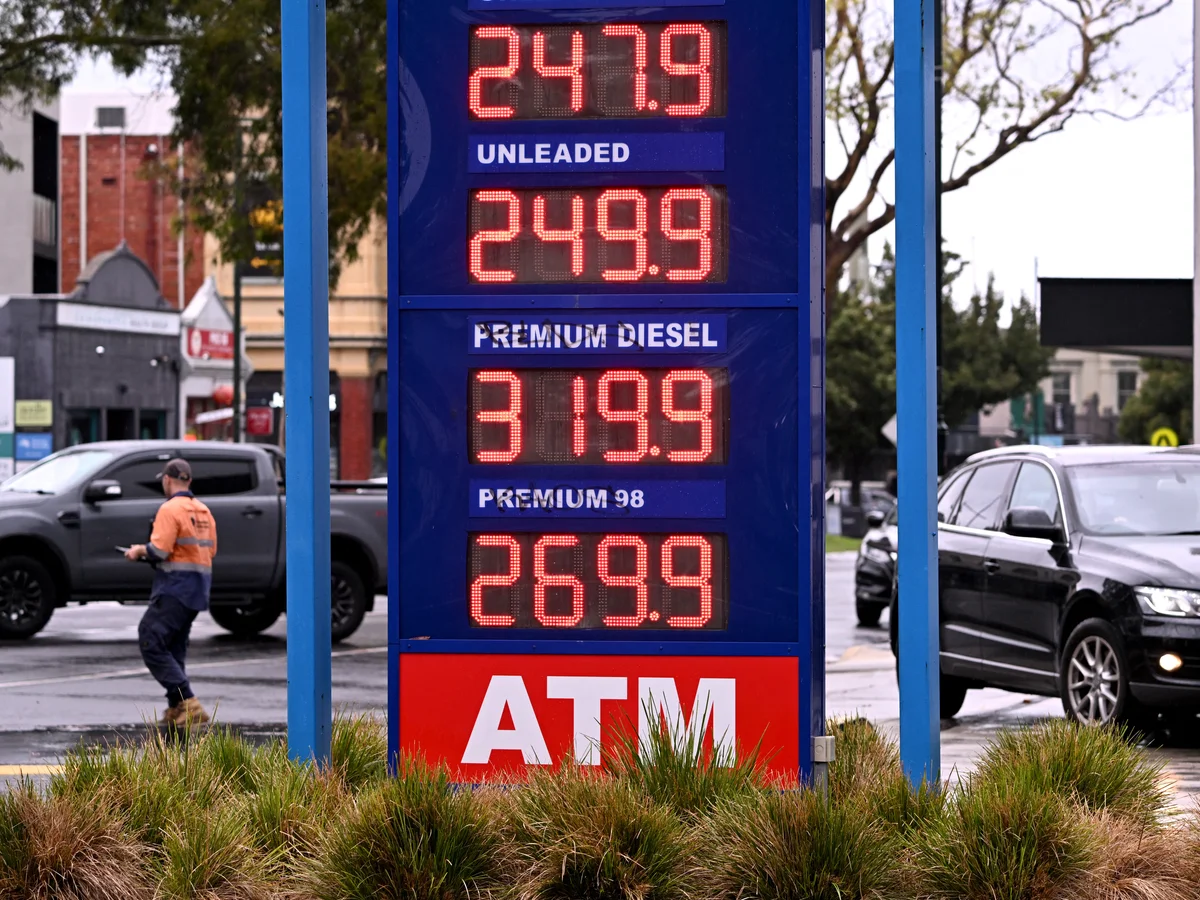
History offers a sobering template. Every major postwar U.S. recession except one coincided with an oil-price spike, often tied to Middle East conflict. The 1973 Yom Kippur War and OPEC embargo quadrupled oil prices, triggering the first global energy crisis: U.S. GDP contracted, inflation soared, and lines formed at gas stations. The 1979 Iranian Revolution doubled prices again, contributing to the 1980 recession. The 1990 Gulf War saw a 93% spike before quick resolution softened the blow. In each case, supply shocks raised production costs across industries, eroded consumer spending, and forced central banks into impossible trade-offs between inflation and growth.
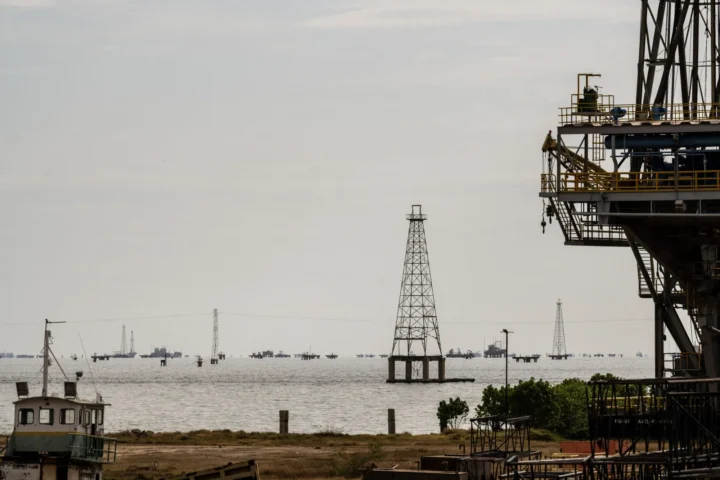
The 2026 Iran war operates through the same channels—but on a compressed timeline and larger scale. The Strait of Hormuz carries far more volume today than in the 1970s. Even partial closure (Iran has allowed limited “friendly” traffic while attacking others) has removed an estimated 15–18 million barrels per day from markets after accounting for curtailed Iranian exports. Bypass pipelines in Saudi Arabia and the UAE can reroute only 3.5–5.5 million barrels daily; global spare capacity elsewhere is limited. Result: immediate scarcity premiums, higher refining and freight costs, and knock-on effects on LNG (Qatar supplies ~20% of global trade; one facility was recently struck).
These translate into macroeconomic pain via three vectors. First, inflation. The IMF’s rule of thumb is clear: a sustained 10% rise in energy prices adds 0.4 percentage points to global inflation and shaves 0.1–0.2% off output. Oil at $100+ for months would push headline inflation higher just as many economies were taming post-COVID pressures. Europe, dependent on imported energy, faces the sharpest hit; the ECB has already delayed rate cuts and warned of stagflation in Germany and Italy. Fertilizer and transport costs are rising, threatening food prices in emerging markets. Second, growth suppression. Higher energy bills act like a tax on households and firms, curbing consumption and investment. The WTO estimates a full-year high-price scenario could trim 2026 global GDP growth by 0.3%. Europe might lose a full percentage point; Asia’s importers (China receives over a third of Hormuz flows) would slow. Goldman Sachs has raised U.S. recession odds to 30% over the next year.
Third, financial and confidence channels. Markets have already flinched: stocks dipped on opening salvos, safe-haven assets (gold, yen) rallied, and airline/shipping shares plunged. Consumer confidence, already low, has collapsed further amid gasoline-price fears. Currency pressures hit emerging economies with dollar-denominated debt; some face balance-of-payments crises. Prolonged uncertainty could freeze investment and delay the AI/productivity boom that underpinned pre-war 3.3% global growth forecasts.
Not every oil shock produces recession. The 1991 Gulf War was short; strategic petroleum reserves (SPRs) and quick production ramps elsewhere cushioned blows. Today, the U.S. and allies have pledged to keep the strait open, and SPR releases are under discussion. Renewables and efficiency gains since the 1970s provide some buffer; global oil intensity of GDP is lower. If the war ends soon—say, by April, with Hormuz reopened—prices could retreat toward $65–$80, limiting GDP drag to Gulf states and a mild global slowdown.
Yet optimism is premature. The conflict shows no signs of quick resolution. Iran’s demands (reparations, Hormuz sovereignty) clash with U.S.-Israeli insistence on degrading missile capabilities. Attacks on energy targets continue; morale in Iranian units is reportedly low but retaliation persists. Four weeks of disruption already exceed the “manageable window” many analysts cite (one to three months before cumulative inflation and growth effects compound). Gulf economies themselves face contraction—Kuwait and Qatar potentially 14% GDP hits if war drags into April.
The deeper risk is stagflation: simultaneous slowdown and price pressure that handcuffs monetary policy. Central banks cannot easily cut rates without fueling inflation; fiscal space is constrained by high debt. Developing nations, already stretched, could see currency crises and food riots. Larry Fink of BlackRock recently called sustained $150 oil a “major, major threat” to the world economy.
Policymakers must act on two fronts. Diplomatically, back-channel talks (already hinted at by President Trump) should prioritize Hormuz reopening over maximalist aims. Militarily, securing tanker routes without broader escalation is essential. Economically, coordinated SPR draws, accelerated diversification (LNG terminals, renewables), and targeted subsidies for vulnerable households can blunt the shock. Long-term, the lesson is structural: over-reliance on any single chokepoint is strategic folly. Investments in North American, Brazilian, and African production, plus electrification, reduce future vulnerability.
The Iran war will not guarantee global recession. Human agency—diplomatic breakthroughs, technological adaptation, prudent policy—can still avert the worst. But the channel is clear: an energy shock layered atop fragile growth. Four weeks in, markets price in pain; forecasts are being revised downward. If Hormuz stays contested into summer, the 1970s playbook returns—not as distant history, but as urgent warning. Leaders who treat this as mere regional conflict ignore the global economic fuse they are lighting. De-escalation is not weakness; it is the only path to sustained prosperity.