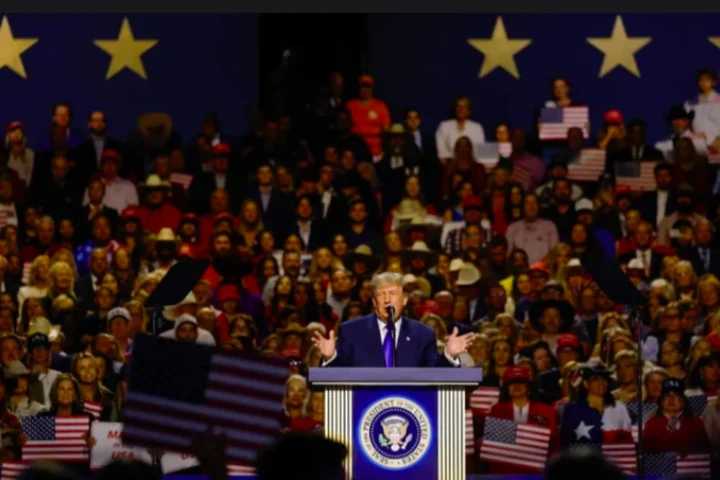

The United States and Japan have struck a major trade agreement, President Trump announced Tuesday, marking one of the most significant shifts in U.S.-Asia trade policy in years. The deal imposes 15% tariffs on all goods imported from Japan, a move that signals a new era of high tariffs and tough trade negotiations.
Why This Matters
The U.S.-Japan trade deal is the most consequential since the White House began threatening steep tariffs on global trade partners. Japan is a key U.S. trading partner and the world’s fourth-largest economy, making this agreement a critical development for industries ranging from automobiles to agriculture.
The agreement also demonstrates that the U.S. is moving away from the era of ultra-low tariffs that defined global trade for decades.
What Trump Said
In his announcement, Trump declared that:
- Japan will open its markets to U.S. goods, including cars, trucks, rice, agricultural products, and other goods.
- Japan will invest $550 billion in the U.S., with 90% of the profits staying in America—though no details were given about the form of this investment.
- The deal will include “reciprocal tariffs” of 15%, meaning both nations will impose similar rates on each other’s goods.
The Numbers in Context
- The 15% tariff rate is lower than the 25% tariffs Trump previously threatened in a letter to Japanese officials earlier this month.
- It is also a retreat from Trump’s plan to impose a 24% “Liberation Day” tariff on April 2, which was postponed to allow for negotiations.
- Japanese auto exports, already facing a 25% tariff since the spring, were not specifically addressed in Trump’s announcement, leaving open questions about whether those sector-specific tariffs will remain.
Trade Deal Whirlwind
Tuesday’s U.S.-Japan announcement was part of a broader push by the White House to reset trade relationships across Asia:
- The U.S. also reached a deal with the Philippines, imposing 19% tariffs on U.S.-bound goods.
- The White House released the text of a trade framework with Indonesia, also featuring 19% tariffs.
- Like Japan, both nations have pledged to open their markets to U.S. exporters.
The Big Picture
This deal underscores a shift away from free trade toward managed trade with higher tariffs. While it avoids the steepest tariffs Trump had threatened, it still locks in double-digit levies that could reshape trade flows in key industries.
What’s Next?
Key questions remain unanswered, including:
- Will Japan’s auto exports remain under 25% tariffs, or will the new 15% rate apply?
- What exactly does Japan’s $550 billion U.S. investment entail?
- How will these tariffs impact U.S. consumers and manufacturers?
For now, one thing is clear: the low-tariff era is over, and Trump’s trade strategy is reshaping global commerce.