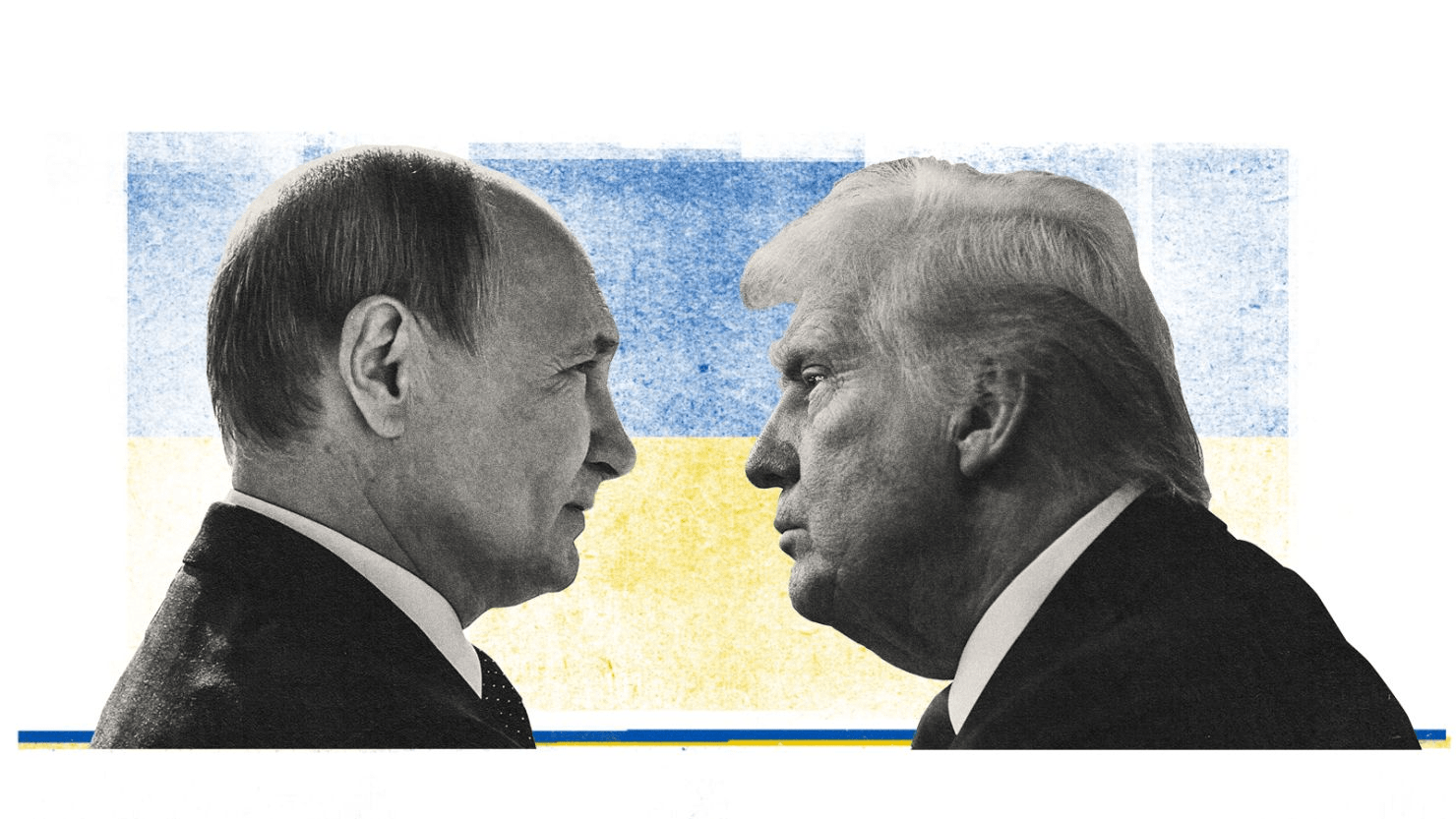
When U.S. President Donald Trump and Russian President Vladimir Putin meet this Friday, headlines will inevitably focus on Ukraine. But in the shadow of that conflict lies another urgent matter, one that could shape global security for decades: the future of nuclear arms control.
The timing is stark. The New START Treaty, the last remaining pact limiting the world’s two largest nuclear arsenals, will expire in February. If it lapses without replacement, for the first time in over half a century, U.S. and Russian strategic weapons would be left entirely without constraints. Military planners on both sides would be forced to assume the worst about each other’s capabilities, the classic trigger for a new arms race.
While few expect a peace breakthrough in Ukraine, this meeting offers both leaders a rare opportunity to make history on nuclear stability. Analysts argue they need not finalize a new treaty overnight. A simple political agreement, setting boundaries and reaffirming shared principles, could buy precious time for formal negotiations and avert a rapid escalation.
Both Trump and Putin have signaled readiness to discuss the matter. Trump recently warned that letting New START expire would be “a problem for the world,” while Putin has also flagged the issue for bilateral talks. With over 90% of the world’s nuclear warheads under their control, the decision rests squarely with them.
Experts suggest six possible steps the two leaders could agree to in principle:
- Reaffirming nuclear war’s unwinnable nature, echoing a 2022 statement by the UN Security Council’s permanent members that such a conflict “must never be fought.”
- Voluntarily capping arsenals at current New START limits, even after the treaty’s expiration.
- Maintaining the moratorium on explosive nuclear testing, preserving a decades-old global norm.
- Freezing tactical nuclear stockpiles, signaling mutual restraint on battlefield weapons.
- Avoiding destabilizing missile deployments, particularly in the wake of the collapsed INF Treaty.
- Recognizing missile defense limits, and committing to prevent an uncontrolled build-up.
These moves, even absent a binding treaty, could restore predictability and reduce the risk of miscalculation. They could also pave the way for addressing emerging challenges, from hypersonic weapons to AI-driven military systems, that are blurring the line between conventional and nuclear deterrence.
Beyond bilateral measures, Trump and Putin could spearhead a broader push among all nuclear-armed states to modernize crisis communication channels and expand safeguards against accidental escalation.
History shows adversaries can reach agreements when the stakes are existential. Nixon and Brezhnev did it during the Cold War; Reagan and Gorbachev famously declared that “a nuclear war cannot be won.” Now, with just five months before the treaty’s expiry, the question is whether Trump and Putin will act to halt today’s strategic freefall.
The meeting in Alaska could mark the beginning, or the end, of an era of nuclear restraint. The choice lies with them.