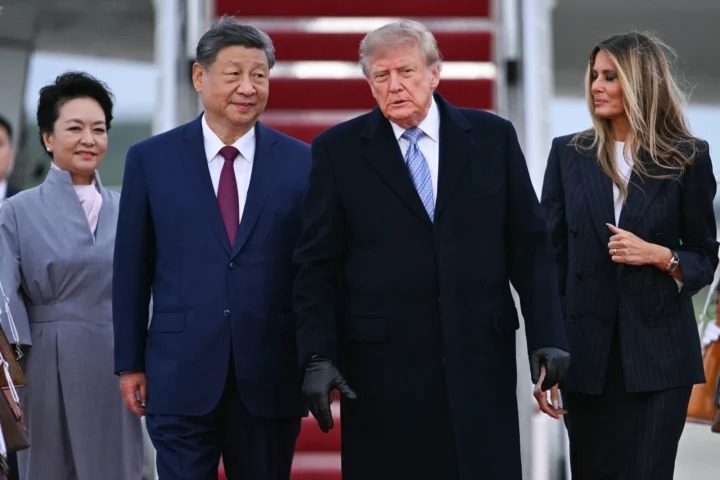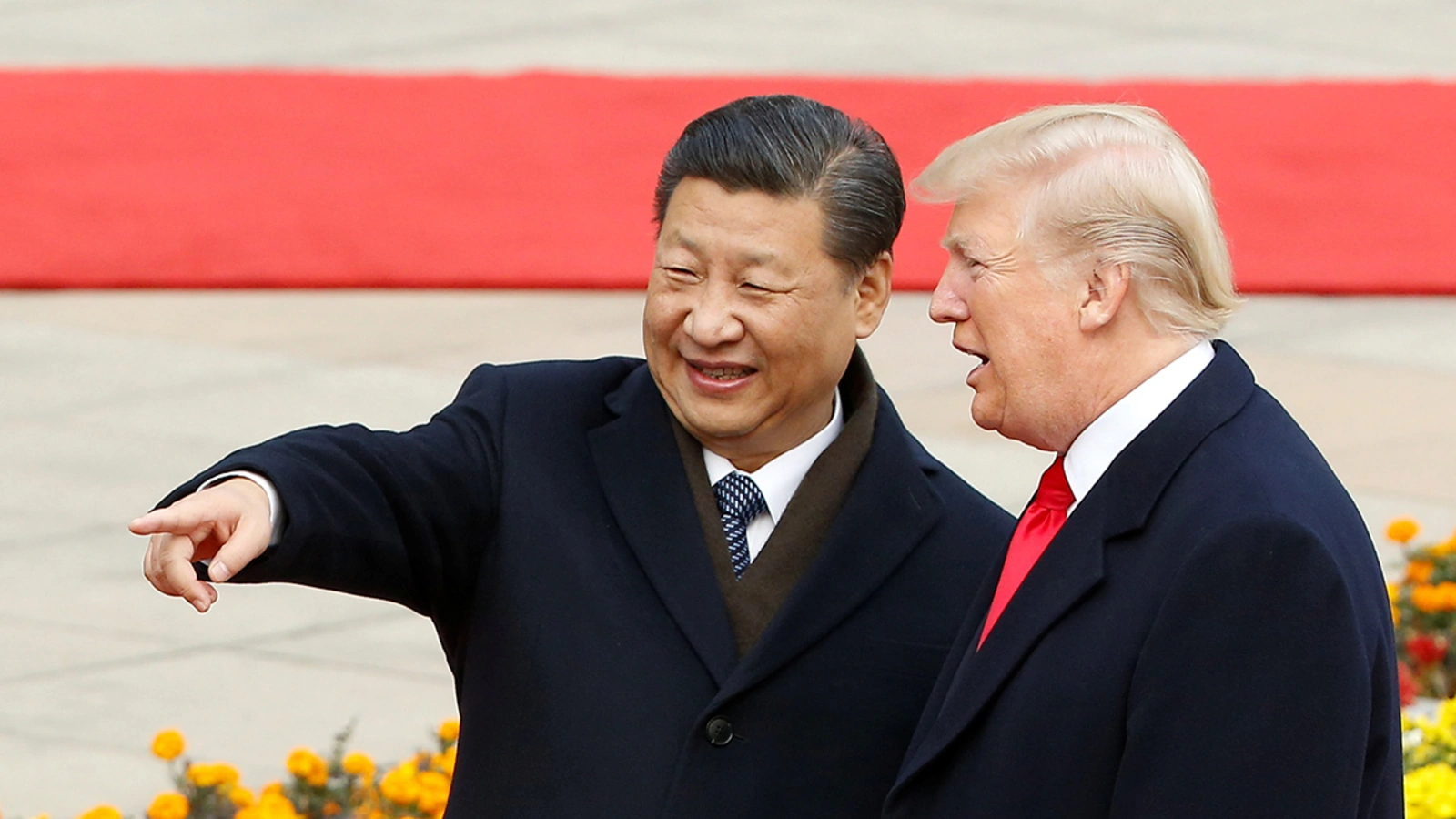
The highly anticipated Trump-Xi meeting, scheduled for October 30, 2025, on the sidelines of the Asia-Pacific Economic Cooperation (APEC) Summit in South Korea, is poised to be a significant event for global geopolitics, trade, and regional security. Here’s what to expect from this pivotal encounter between U.S. President Donald Trump and Chinese President Xi Jinping in the context of escalating tensions and competing national interests.
Context
This summit marks the first direct, in-person engagement between Trump and Xi since Trump’s return to office in 2025. The bilateral relationship has been fraught in recent months, characterized by rising tariffs, restrictive trade policies, and moves by both countries to limit each other’s access to critical technologies and resources. China’s export controls on rare earth minerals — vital for advanced manufacturing — and the U.S. push to reduce dependence on Chinese supply chains have heightened commercial friction.
Both leaders understand the risks of further escalation: China’s export-driven economy faces headwinds from weaker overseas demand and trade barriers, while the U.S. is grappling with inflation and persistent supply chain vulnerabilities. The meeting’s optics are as important as its outcomes, as both sides seek to show domestic and international audiences their diplomatic resolve and strategic acumen.
Key Agenda
- Trade and Economic Relations
- The crux of the summit will be to temper the ongoing trade war. Trump has signaled optimism about striking broad agreements, possibly extending tariff truces and resuming Chinese purchases of U.S. agricultural goods such as soybeans.
- Rare earth minerals are likely to be a flashpoint, with Washington seeking to secure alternative suppliers and Beijing wielding export controls as leverage. New agreements may emerge to stabilize markets and ensure access to vital materials for high-tech industries.
- U.S. negotiators have indicated progress on a preliminary framework for a sweeping trade deal after preparatory talks in Malaysia, hinting at concrete—if limited—steps forward.
- Fentanyl and Security Issues
- A persistent U.S. priority is China’s role in fentanyl production and trafficking. Trump’s administration has maintained tariffs and sanctions partly in response to China’s perceived lack of action on illicit fentanyl exports, a crisis contributing to opioid deaths in the U.S..
- Security discussions will also address North Korea’s nuclear ambitions. Trump’s Asia trip includes possible overtures to Pyongyang, adding a layer of complexity as both China and the U.S. hold divergent security interests on the Korean Peninsula.
- Technology and Strategic Rivalry
- Technological decoupling is accelerating, driven by U.S. export controls on advanced semiconductors and AI, and China’s push to achieve technology self-sufficiency. The summit is unlikely to resolve these issues but may establish guardrails to manage technological competition and reduce the risk of miscalculation.
- There is also pressure to resolve specific battles over companies like TikTok, which have faced regulatory and ownership hurdles in the U.S. due to data security concerns.
- Geopolitical Implications
- Trump seeks to leverage the optics of this summit to reinforce American influence in the Indo-Pacific. His tour of Malaysia, Japan, and Korea is part of a broader strategy to build new regional trade partnerships and counter China’s growing clout among its neighbors.
- The U.S. is quietly encouraging alternative trade deals with Asian economies, hoping to draw them away from China’s economic orbit as regional conflicts intensify.
What Not to Expect
- Analysts warn against expecting sweeping breakthroughs. The meeting’s deliverables may be modest—limited to incremental progress on trade or narrow sectoral agreements—while deeper issues remain unresolved.
- Structural animosities run deep, from technological rivalry to military posturing around Taiwan and disputes over global governance. These are unlikely to be settled at a single summit.
Significance and Outlook
This Trump-Xi summit is as much about performance and personal diplomacy as substance. It reopens high-level dialogue after months of diplomatic chill and signals a mutual interest in preventing a full-scale rupture, even as each side maneuvers for long-term strategic advantage.
Expect careful signaling, headline deals on trade, and no shortage of posturing—alongside unresolved core tensions that will shape U.S.-China relations well beyond this meeting. The optics will matter almost as much as the outcomes, influencing global markets and alliance systems across Asia and the world.