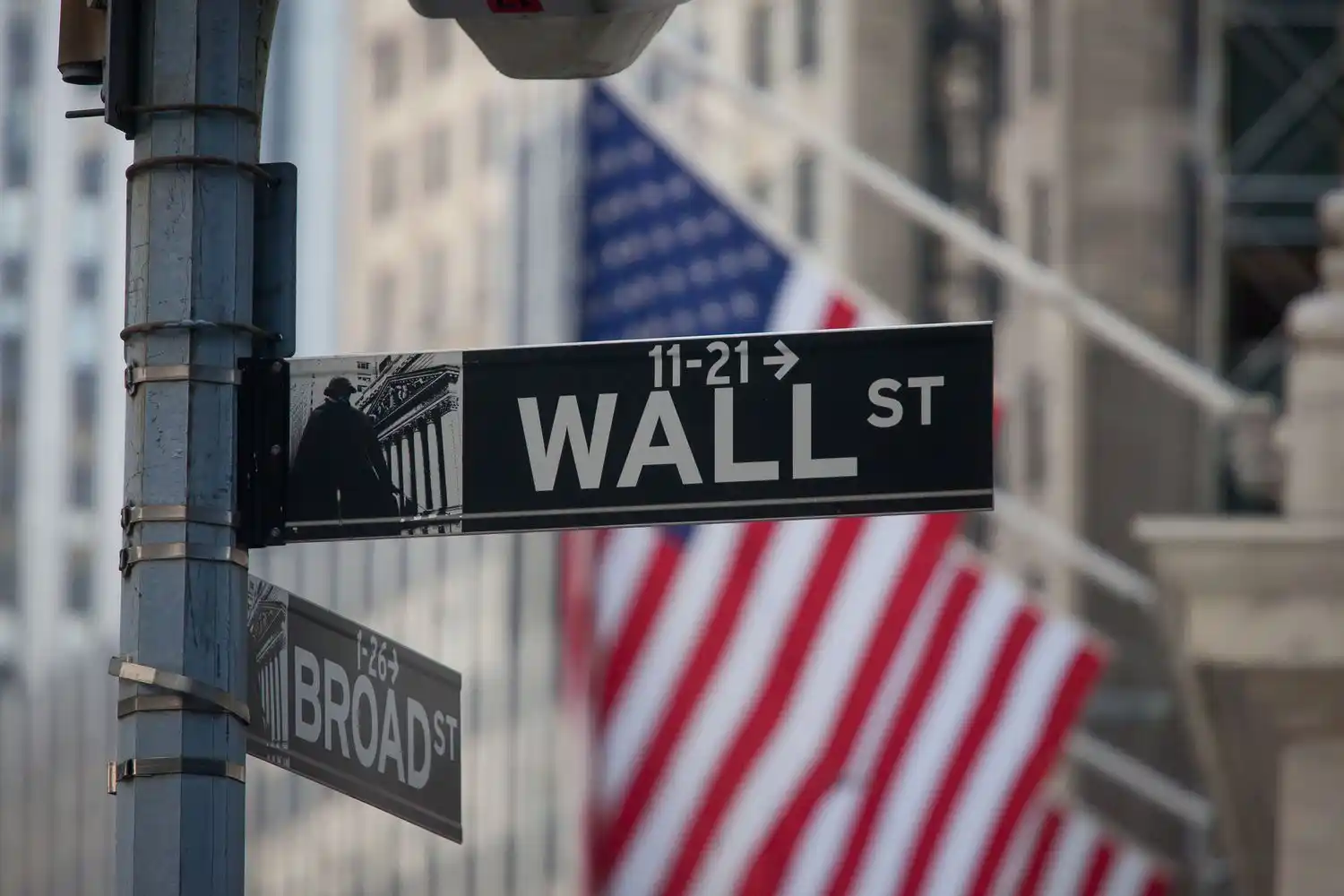
Read the financial pages on any given morning, and you’ll see two stories that seem to describe entirely different countries. In one, the stock market soars, CEOs smile, and investors toast to new record highs. In the other, families juggle rising rents, growing debt, and grocery bills that feel like luxury tabs. Both stories are true. But they cannot both be the whole truth for long.
The Illusion of Prosperity
For decades, Washington has treated the stock market as a national mood ring. Presidents of both parties cite the Dow and S&P as shorthand for economic success — a kind of political applause meter. Yet markets and economies are not the same creature. Wall Street trades in expectation; Main Street lives in experience. Investors chase quarterly returns; families plan for lifetimes.
That mismatch has never been clearer. The stock indexes that dominate headlines are dominated in turn by a handful of multinational giants — especially in tech — whose fortunes rise on global trends and AI optimism. These companies employ only a sliver of the U.S. workforce. Meanwhile, small businesses — which still provide nearly half of all American jobs — face tighter credit, higher costs, and uncertain demand. Their struggles don’t move the S&P needle, but they do shape the economic reality most Americans inhabit.
History reminds us that markets can remain euphoric right up until the edge of collapse. In the late 1920s, the Dow nearly doubled even as consumer demand weakened. The dot-com frenzy and the 2008 housing bubble told the same tale: investors chasing momentum while the foundations cracked beneath them. Today’s AI-fueled rally carries that same intoxicating scent — and the same blindness to fragility.
The Forgotten Majority
Washington, too, is trapped in its own echo chamber of indicators. Policymakers tout job growth and GDP as proof of “resilience.” But the median worker’s pay has barely kept pace with the rising cost of life’s essentials — housing, healthcare, transportation, food. Adjusted for those realities, the typical American has lost purchasing power over the last two decades. Nearly 60 percent of households cannot weather a $1,000 emergency. Credit card and auto-loan delinquencies are climbing to pre-2008 levels. These are not signs of a strong economy; they are stress fractures spreading beneath the surface.
Even more troubling, the benefits of growth are increasingly confined to the top. The wealthiest fifth of Americans capture more than half of national income gains. The bottom 60 percent — the majority — now take home barely enough to sustain a minimal standard of living. The notion that the spending of the affluent few can sustain the many is as dangerous as it is delusional. It is the economic version of trickle-down rain in a drought.
The Political Price of Denial
Complacency has consequences. When leaders conflate market highs with national health, they ignore the slow erosion of economic security — and invite political upheaval. The populist anger that reshaped American politics over the past decade didn’t emerge from nowhere. It was forged in households where wages stagnated, debt ballooned, and promises of prosperity rang hollow. A nation cannot thrive when half its citizens feel excluded from the future.
Tariffs, immigration bottlenecks, and underfunded research may play well in soundbites, but they threaten the long-term dynamism on which genuine prosperity depends. Yet as long as the stock ticker keeps climbing, Washington convinces itself all is well. That illusion will not hold.
A Different Measure of Success
The path forward is not mysterious. Stop treating the market as a mirror for the economy. It reflects only a sliver — and a distorted one at that. Real progress will be measured not in record highs but in restored balance: when workers can afford housing without debt traps, when education doesn’t require decades of repayment, when health care and childcare aren’t luxuries.
Markets can stay euphoric longer than reality can stay hidden. But history always catches up. The real test of American prosperity won’t be how high the Dow climbs — it will be whether the people who make the economy run can still afford to live in it.