
The U.S. labor market stumbled again in August, amplifying concerns about the economy’s momentum and fueling speculation that the Federal Reserve may move aggressively to cut interest rates.
The Labor Department reported Friday that employers added just 22,000 jobs last month — the fourth consecutive disappointing result. June’s figures were also revised downward, revealing the first net job loss since late 2020. Unemployment rose to 4.3%, a four-year high.
Manufacturing remains a particular weak spot. Despite administration efforts to boost industrial investment, the sector has shed 78,000 jobs so far this year. Analysts say elevated borrowing costs and the impact of tariffs are dampening hiring, while the president’s immigration crackdown is tightening the labor supply.
“This is undeniable,” said Joseph Brusuelas, chief economist at RSM, citing the tariffs’ drag on employment.
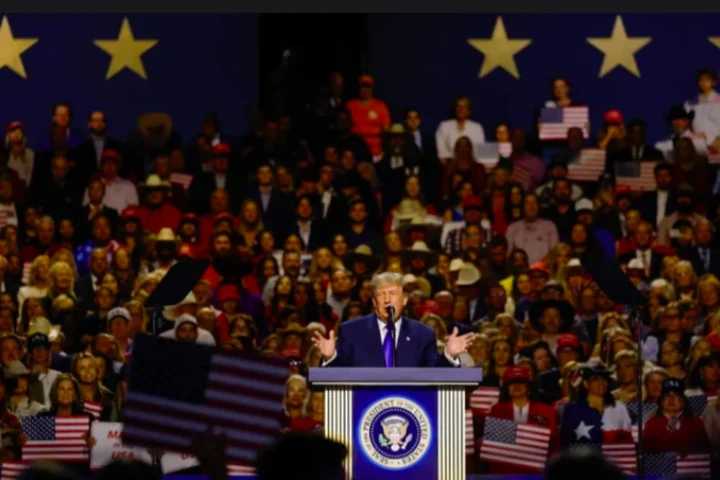
White House economic adviser Kevin Hassett downplayed the latest data as potentially subject to upward revision, highlighting increased business investment as a positive sign. Still, the sluggish hiring pace intensifies President Donald Trump’s criticism of Fed Chair Jerome Powell, whom he blames for keeping rates too high for too long.
The weaker report boosts the likelihood of a larger rate cut when the Fed meets in September. Powell recently signaled the central bank is now more concerned about labor market deterioration than sustained inflation from tariffs. Market watchers say pressure is growing for a half-point reduction, rather than the quarter-point move previously expected.
Democrats seized on the numbers to attack Trump’s trade strategy. Senate Minority Leader Chuck Schumer called the report “a blaring red light warning” for the economy. Meanwhile, the administration circulated talking points emphasizing long-term investment gains and blaming “tight monetary policy” for the headwinds.
Uncertainty clouds how much of the slowdown is cyclical versus policy-driven. Daniel Zhao, chief economist at Glassdoor, cautioned that while the August numbers could be revised, “it gives us less buffer against any economic slowdown.”
The Bureau of Labor Statistics, already under fire over data quality issues linked to budget constraints, faced further political heat after Trump dismissed its chief last month. The president predicted a sharp rebound, promising “job numbers like our country has never seen” within a year.
For now, however, the data points to a job market losing steam — and an economy waiting for the Fed’s next move.