Background & Recent Trigger
- Historic Friendship: Once among the world’s friendliest nations, Cambodia and Thailand shared strong diplomatic ties.
- Recent Escalation:
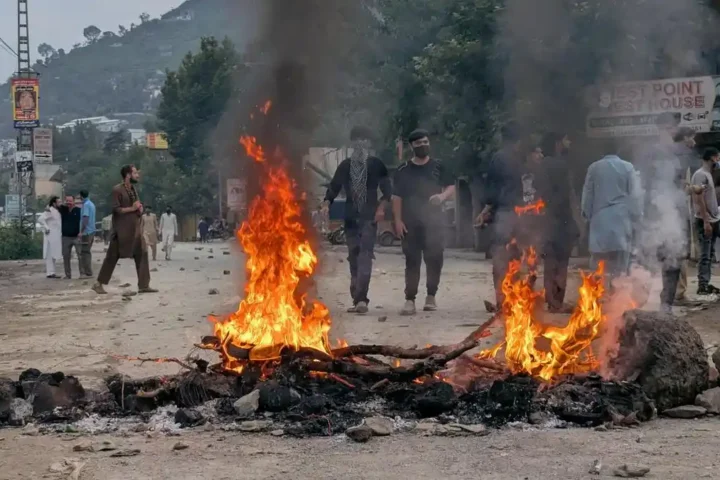
- On May 28, a Cambodian soldier was killed in a clash at the Emerald Triangle (Thailand-Cambodia-Laos border).
- Both sides blame each other for starting the violence.
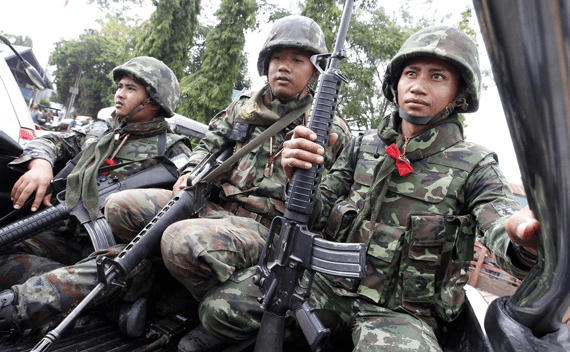
- Cambodia sent troops and heavy weapons; Thailand reinforced border security.
Tit-for-Tat Measures
- Military & Political Moves:
- Troop build-up, though some withdrawal on June 8 to ease tension.
- Economic & Media Retaliation:
- Thailand threatened to cut electricity & internet to Cambodia; restricted Thai workers from Cambodian casinos.
- Cambodia banned Thai TV/movies, cut cross-border internet, and blocked Thai produce imports (June 17).
- Legal Dispute:
- Cambodia took the case to the International Court of Justice (ICJ).
- Thailand rejected ICJ jurisdiction, insisting on bilateral talks.
Historical Context
- Colonial-Era Borders:
- Borders mapped by French colonizers (1863–1953); 1907 map placed Preah Vihear Temple in Cambodia, disputed by Thailand.
- Past Clashes:
- 1959 & 1962: ICJ ruled temple belongs to Cambodia.
- 2008–2011: Military skirmishes displaced 36,000 people.
- 2013: ICJ reaffirmed Cambodia’s sovereignty over the temple, but surrounding areas remain disputed.
- Joint Boundary Commission (JBC) exists since 2000 but has made little progress.
Political Dynamics
- Leadership Factor:
- Thai PM Paetongtarn Shinawatra vs Cambodian PM Hun Manet—both children of influential leaders (Thaksin Shinawatra & Hun Sen).
- Personal family ties complicate public perception of negotiations.
- Thai Military’s Role:
- Seen as a potential destabilizer; analysts warn border tensions could be used to stoke nationalism or justify a coup, echoing past political upheavals in Thailand.
What’s Next?
- Peaceful Resolution Uncertain: ICJ involvement vs Thailand’s push for bilateral talks prolongs deadlock.
- Risk of Escalation: Nationalist pressures and military posturing could trigger renewed conflict.
- Economic & Social Fallout: Cross-border trade, labor movement, and regional ASEAN stability could be affected.
The views and opinions expressed are solely those of the author and do not necessarily reflect the views, positions, or policies of this platform or of any institution, organization, or entity with which the author is affiliated or associated.