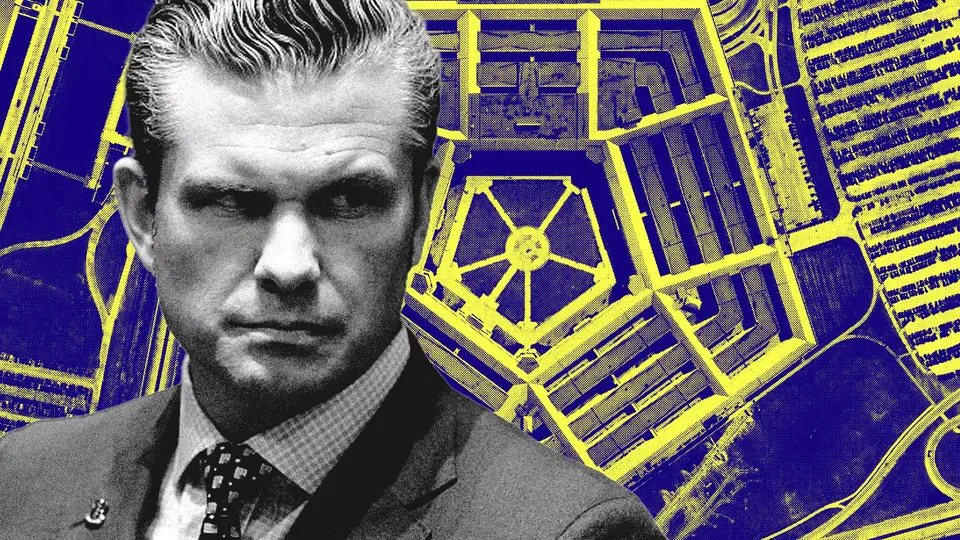
Pete Hegseth’s decision to stand by the Anthropic designation is bigger than a fight over one AI company. It could become a defining test of how far the Pentagon can go in using national-security labels to shape the behavior of domestic tech firms, and whether courts will treat that power as a narrow procurement tool or a much broader regulatory weapon.
What the case signals
At the center of the dispute is a rare and aggressive move: the Pentagon labeled Anthropic a supply-chain or security risk, a designation usually associated with foreign adversaries rather than a U.S. company. That matters because the label can cut off defense business, chill contractor relationships, and create reputational damage far beyond the immediate contract dispute.
Hegseth’s refusal to reconsider the designation suggests the administration is not treating this as a routine administrative matter. Instead, it appears to be defending a theory of executive power that lets the Pentagon respond forcefully when it believes a company’s product, safeguards, or deployment posture creates risk.
Why the courts matter
The immediate consequence is that the case now moves toward a federal appeals court ruling on the scope of Pentagon designation authority. That makes the lawsuit a likely precedent-setting case, because the judges are being asked not just whether Anthropic was treated fairly, but whether the government can use this kind of label against a domestic AI developer at all.
If the court sides with the Pentagon, the decision could give future administrations a powerful lever over AI firms, especially those that resist defense contracts or impose limits on military use. If the court narrows the power, it would signal that national-security designations must stay tied closely to the statute’s purpose and cannot be used as a blunt retaliation tool in commercial disputes.
What it means for AI firms
For frontier AI companies, the case is a warning that “dual-use” status now comes with real political risk. A company can be celebrated in the market, but once its models become relevant to defense, the government may demand access, controls, or cooperation that collide with the company’s safety policies or business model.
That creates a hard tradeoff: resist the government and risk exclusion from major public contracts, or accommodate defense needs and risk alienating employees, customers, and watchdogs who expect strict limits on military use. Anthropic’s fight is likely to make other AI labs more cautious about how they structure government deals and how much control they retain over deployment terms.
Market and policy ripple
The economic stakes are large because the designation can block Pentagon work and affect contractors downstream, which is why Anthropic argued the harm could reach billions in lost revenue. Even if the company ultimately wins some legal ground, the mere existence of the designation can change investor expectations, procurement strategy, and how competitors position themselves in the defense market.
Politically, the case may also become a template for how the state handles powerful domestic tech firms. If national-security rhetoric can justify a near-blacklist of a U.S. AI company, then the boundary between legitimate defense oversight and industrial punishment gets much blurrier. That will matter not only to AI companies, but to cloud providers, chipmakers, and any firm whose products can be used in sensitive settings.
The bigger question
The real issue is whether the government is protecting the supply chain or punishing resistance. Courts have already signaled that Anthropic’s harm is substantial, but they have also suggested the dispute raises a broader question about how the federal government acquires AI technology during a time of military competition.
That tension is why this case could shape the next era of tech regulation. A broad Pentagon win would give officials more room to police AI risk through procurement power; a narrower reading would force the government to rely on clearer rules, better process, and more transparent standards. Either way, the message to the industry is unmistakable: in the age of frontier AI, security policy is now product policy too.