
Addis Ababa can turn the 2027 summit into a platform for African-led solutions that are ready to finance, implement and scale
When world leaders gather in Addis Ababa for COP32 in late 2027, they will return to Africa for the first climate summit on the continent in five years. Ethiopia will preside over the conference on behalf of the African Union, placing the country—and the continent—at the centre of global climate diplomacy.
The significance of the occasion is clear. Yet the success of COP32 will not be determined by what happens during two weeks of negotiations. It will depend on what African governments, regional institutions, financiers and international partners are able to build before delegates arrive.
Addis Ababa should not become another venue where countries repeat familiar positions, announce distant targets and postpone difficult decisions. It should be the place where practical, African-led programmes are presented to the world with detailed plans, credible institutions and financing structures already attached.
That requires work to begin now.
After more than three decades of annual climate conferences, the world has secured important diplomatic achievements but has still failed to reduce emissions or build resilience at the pace demanded by science.
The Conference of the Parties brings together the 198 parties to the United Nations Framework Convention on Climate Change. Its conventional work includes reviewing national commitments, negotiating common texts, establishing funds and agreeing on new international decisions.
This process remains indispensable.
The climate convention gives every country a seat at the table. It embeds principles of equity and recognises that nations have different historical responsibilities and capacities. It also provides vulnerable countries with a formal voice in decisions that might otherwise be dominated by the world’s largest economies.
The COP process has produced major accomplishments. The Paris Agreement established a near-universal legal framework for limiting global warming. The Loss and Damage Fund created the first dedicated multilateral mechanism for assisting countries facing climate destruction they did little to cause. The Global Stocktake provides a forum for assessing collective progress towards international climate goals.
For Africa, these institutions are especially important. They ensure that adaptation, climate finance, loss and damage, and development receive formal consideration alongside emissions targets, carbon markets and the industrial priorities of richer countries.
But the achievements of the process should not obscure its failures.
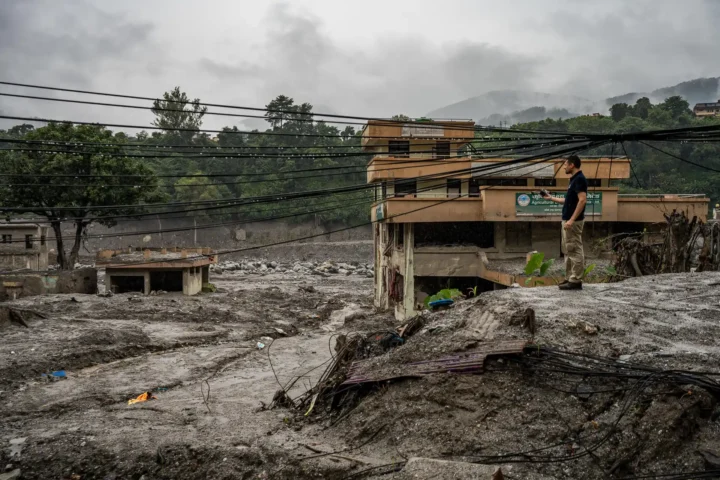
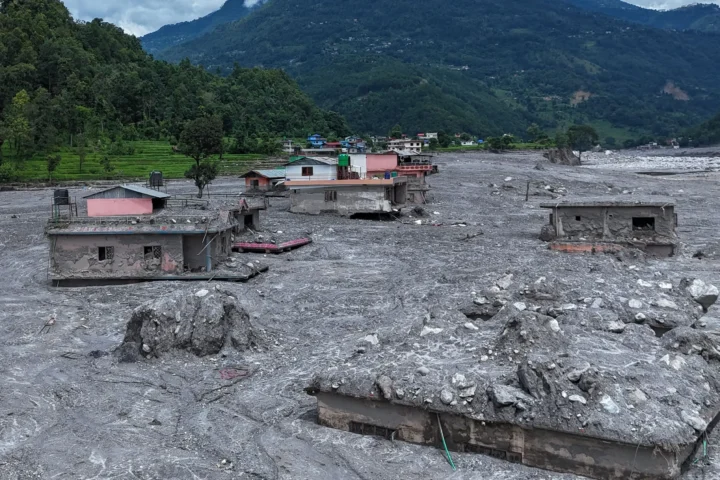
Global emissions continue to rise. The world remains in danger of exceeding the 1.5°C warming threshold. Adaptation finance reaches only a fraction of estimated needs. Funding for loss and damage remains far below the scale of destruction already being experienced.
The problem is not simply a lack of political ambition. It is also a consequence of how the international climate system has been designed.
The first weakness is its dependence on national pledges.
Under the Paris framework, countries submit nationally determined contributions setting out how they intend to reduce emissions and adapt to climate change. The underlying assumption is that sufficiently ambitious national commitments will eventually add up to an adequate global response.
They have not.
Climate change is driven by interconnected systems of energy, transport, trade, agriculture, industry and finance. These systems extend across national borders. Electricity networks, mineral supply chains, industrial production and transport corridors cannot always be transformed efficiently through isolated national plans.
Carbon markets reflect a similar problem. They often treat emissions reductions in one place as capable of offsetting emissions elsewhere. But greenhouse gases accumulate in a single atmosphere. A tonne emitted in one jurisdiction is not physically erased by a credited reduction in another. Every economy and every major sector must ultimately decarbonise.
The world therefore needs coordinated regional, global and sectoral planning—not simply a collection of national promises.
The second weakness is that COP decisions tend to reflect the position of the most reluctant powerful countries.
Because major decisions depend on consensus, agreements are frequently diluted until they become acceptable to states that benefit from the existing economic order. Commitments on fossil fuels are softened. Adaptation targets are weakened. Mitigation programmes are delayed by disputes over scope and responsibility. Funding for loss and damage remains far below assessed need.
Consensus keeps all countries inside the process, but it can also ensure that action advances only as quickly as the least willing major participant permits.
The third weakness is that many institutions capable of delivering climate action operate outside the UN climate negotiations.
Credit rating agencies influence how much African governments pay to borrow. Multilateral development banks determine which projects receive concessional finance and guarantees. The International Monetary Fund, private creditors and the Paris Club shape responses to sovereign debt. Trade rules are influenced by the World Trade Organization. Regional power pools and energy agencies help determine how electricity systems are planned.
These bodies possess technical expertise, financial instruments and implementation mandates that climate negotiators generally do not.
A successful climate strategy must therefore engage them directly. It is not enough for COP decisions to call for lower financing costs, cleaner industries or resilient infrastructure. The institutions that control lending terms, debt assessments, risk models, industrial planning and regional infrastructure must participate in designing the reforms.
COP32 offers Africa an opportunity to reorganise the process around that reality.
Rather than treating the summit principally as a negotiating deadline, Ethiopia’s presidency could use it as the culmination of a two-year programme of planning and institution-building.
One priority should be the development of integrated regional energy systems.
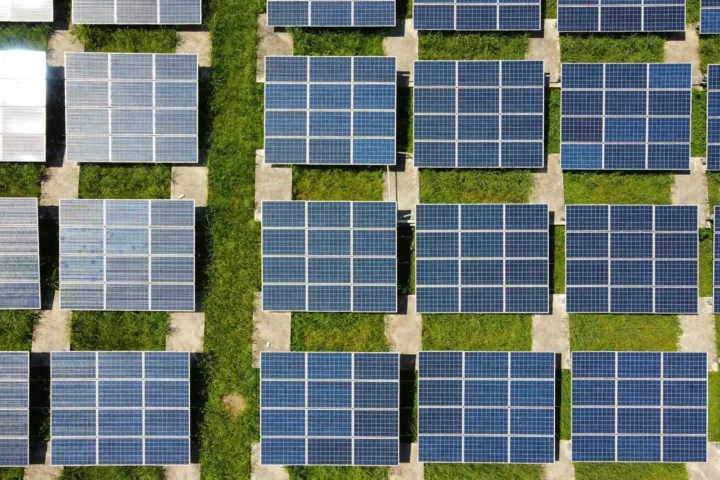
African countries need more electricity to support industrialisation, transport, digital infrastructure, public services and rising living standards. At the same time, new energy systems must be affordable, reliable and increasingly low-carbon.
National energy plans alone will often be insufficient. Regional modelling can identify where electricity should be generated, which transmission corridors are needed, how countries can share power across borders and which investments should be built first.
Such modelling can compare technology and fuel costs, forecast future demand and evaluate the effects of transport electrification, industrial growth and data centres. It can also identify the least-cost sequence of investments and clarify how regulatory and financing choices affect governments, investors and consumers.
Long-term low-emission development strategies, encouraged under Article 4.19 of the Paris Agreement, provide a more coherent basis for this work than short-cycle pledges. They begin with a desired development outcome and identify the infrastructure, policies and financing required to reach it.
The same approach can be applied beyond energy.
African countries can develop regional plans for climate-resilient food systems, identifying vulnerable agricultural areas and coordinating investment in irrigation, storage, transport, insurance and research.
They can establish continental strategies for restoring forests, grasslands, wetlands and other ecosystems at scale.
They can coordinate critical-mineral value chains so that the continent does not merely export raw materials needed for the global energy transition, but develops processing, manufacturing and technological capacity of its own.
Industrial pathways can be created for sectors such as steel, cement and chemicals, connecting cleaner production technologies with regional power planning, demand guarantees and appropriate financing arrangements.
None of this can proceed without financial reform.
African countries often face borrowing costs that bear little relationship to the underlying quality or social value of their investments. Credit rating methodologies, debt sustainability assessments and perceptions of political or currency risk can make essential infrastructure prohibitively expensive.
Multilateral development banks, rating agencies, governments and private financiers should begin technical work before COP32 to reform these systems. Greater use of guarantees, risk-sharing instruments and concessional capital could substantially lower financing costs.
Debt frameworks must also be revised so that countries are not forced to choose between climate resilience, public services and fiscal stability. Investments that reduce future climate losses should not be assessed in the same way as ordinary expenditure.
These reforms do not require unanimous agreement among all parties to the climate convention.
They require coalitions of institutions that have the authority and capability to act: African governments, regional economic communities, development banks, power pools, industrial agencies, investors, credit institutions and technical bodies.
That is the opportunity before Addis Ababa.
Africa contributes the smallest share of historical global emissions but experiences some of the most severe climate consequences. It has every reason to demand a system that matches the global nature of the crisis with a genuinely global response.
But African leadership at COP32 should not be measured only by the strength of its demands. It should also be demonstrated through the solutions the continent is able to organise.
By the time leaders arrive in Ethiopia, regional energy plans should already exist. Priority adaptation programmes should be identified. Financing coalitions should be assembled. Institutional reforms should be under negotiation. Nature-restoration and industrial projects should be ready for investment.
The summit could then serve a different purpose.
Instead of asking the world to endorse another collection of aspirations, Africa could invite governments and institutions to finance, replicate and expand programmes that are already technically credible and institutionally grounded.
COP32 would become not merely a conference about what countries promise to do, but a platform for showing how climate-compatible development can actually be delivered.
The negotiations will still matter. The principles of equity, historical responsibility and common but differentiated responsibilities must remain at the heart of international climate cooperation.
But negotiation alone cannot build electricity grids, transform food systems, restore ecosystems or reduce the cost of capital.
For COP32 to make a lasting difference, Addis Ababa must showcase an architecture for implementation.
Africa has the opportunity to build it. The decisive work begins well before 2027.