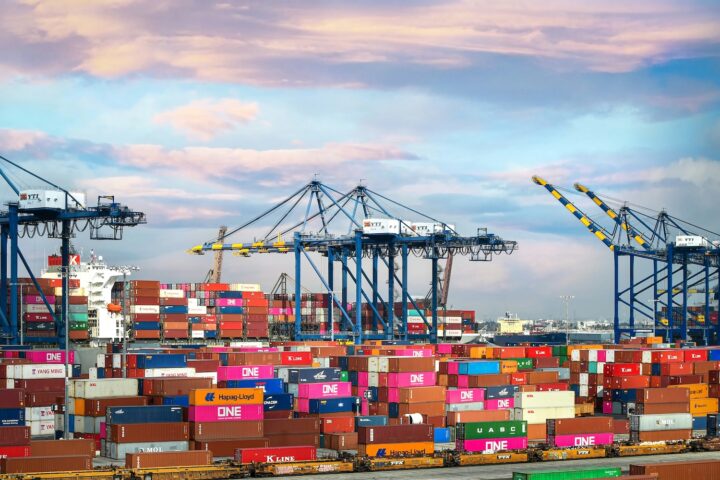

The report ‘The Parallel Order: How the Global South Is Building Its Own Development System’ examines how emerging economies are creating a parallel, commercially driven development architecture that is reshaping trade, finance, technology, and infrastructure cooperation across the Global South.

- The rise of a parallel development system
How countries across Asia, Africa, and Latin America are creating new models of cooperation based on investment, technology sharing, and economic partnerships. The report highlights the growing role of South–South networks in shaping development, trade, and governance beyond traditional international institutions. - Climate finance and natural-capital partnerships
Cooperation around rainforest conservation, carbon markets, biodiversity funding, and sustainable land-use strategies. The focus is on how resource-rich countries are working together to unlock economic value from natural assets while strengthening their position in global climate and environmental discussions. - Green industry and strategic trade corridors
Partnerships linking renewable energy, industrial development, logistics infrastructure, and food security. The report highlights initiatives that combine capital, technology, and geographic advantages to support new industrial hubs and strengthen economic connectivity between emerging markets. - Manufacturing networks and digital commerce
Regional efforts to strengthen supply chains, improve cross-border payments, and support local-currency transactions. These initiatives aim to make trade more efficient, reduce transaction costs, and enhance the resilience of production and commerce networks across developing economies. - Education, skills, and innovation ecosystems
Collaborative models focused on higher education, STEM training, artificial intelligence, and research partnerships. The report highlights how countries are investing in talent development and knowledge-sharing platforms to build long-term innovation capacity and support future economic growth. - Regional energy integration and infrastructure
Cross-border electricity networks, power-pooling arrangements, and large-scale infrastructure projects designed to improve energy access, reduce costs, and support industrial development. These initiatives demonstrate the growing importance of regional cooperation in meeting long-term energy needs. - Digital finance and technology cooperation
Partnerships involving payment systems, financial infrastructure, data ecosystems, and emerging technologies. The report highlights efforts to improve financial connectivity, support digital transformation, and build greater economic and technological resilience through shared platforms and standards. - Common themes, challenges, and future directions
Key drivers behind successful partnerships, including trust, mutual benefit, and policy flexibility, alongside challenges such as financing gaps, political uncertainty, and regulatory differences. The report also considers how these evolving networks may shape the future of global development and cooperation.
The views and opinions expressed are solely those of the author and do not necessarily reflect the views, positions, or policies of this platform or of any institution, organization, or entity with which the author is affiliated or associated.