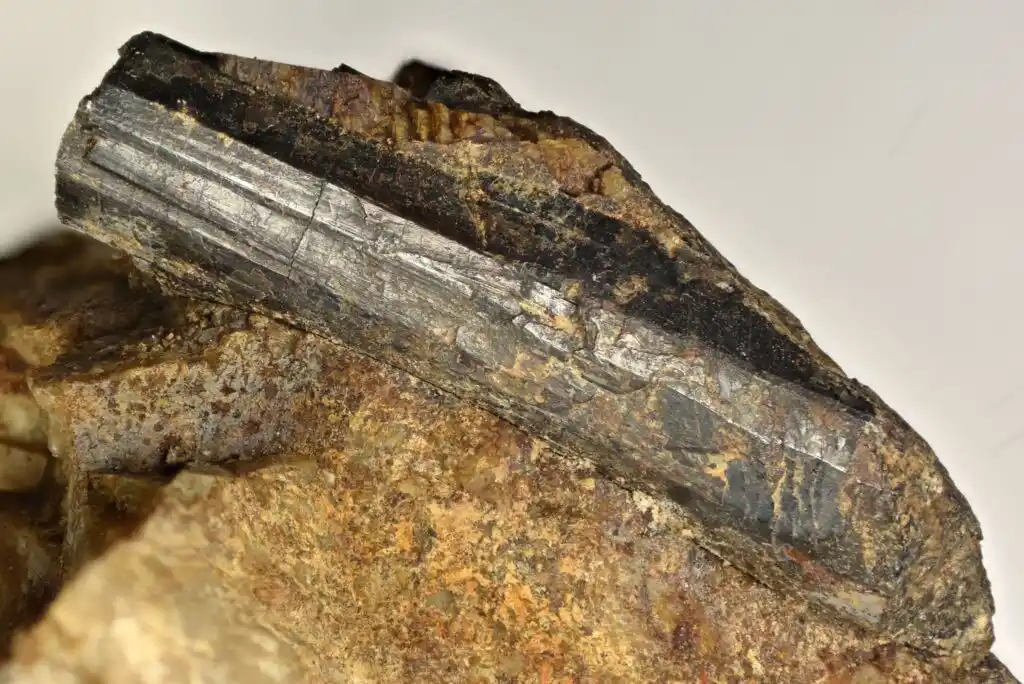
Beijing’s latest decision to tighten export controls on rare-earth magnets and refined metals has once again forced the West to stare into the mirror of its own dependency. When a single country mines 60 percent and refines 90 percent of the world’s rare-earth elements—materials essential to everything from electric vehicles to F-35 fighter jets—its policy decisions reverberate through every modern economy. China knows this. And the G7 is finally admitting that the status quo is untenable.
A Strategic Wake-Up Call
For years, Western nations have talked about “de-risking” from China without ever fully committing to the painful process of doing so. Now, China’s export curbs—ostensibly framed as “national security measures”—amount to a blunt reminder of Beijing’s leverage in the geopolitical chess match over green technologies and advanced weaponry.
The U.K., Canada, and the EU’s push for a coordinated G7 response signals a long-overdue pivot from rhetoric to action. Ottawa’s upcoming ministerial meeting in Toronto may be the first major test of whether the G7 can move beyond declarations to implement real industrial strategies—stockpiling, joint procurement, and parallel supply chains that can withstand geopolitical turbulence.
The End of Complacency
The rare-earth saga is not new. China’s dominance was built over decades, aided by lax Western environmental rules and short-term market thinking. Western economies, comfortable outsourcing the dirty and expensive parts of resource extraction, left themselves exposed. Now, as Beijing “amps up” its restrictions, the cost of that complacency is measured not only in higher prices but in strategic vulnerability.
Europe’s move to study the impact on its industries is a start—but it underscores a reactive rather than proactive stance. The reality is stark: decoupling or even “de-risking” will be slow, costly, and politically fraught. Yet, as Canada’s Tim Hodgson put it, the G7 is now “putting our shoulders to the task.” That phrase captures both the urgency and the difficulty of the moment.
Economic Nationalism Goes Green
What’s emerging is a new kind of industrial policy—one that blends energy transition goals with national security imperatives. Expect to see governments intervening more directly in markets, whether through stockpiling, strategic reserves, or public-private “off-take agreements” that guarantee supply for key industries.
This will likely mark a generational shift in how resource policy is conducted in liberal economies. Critical minerals will no longer be treated as mere commodities, but as strategic assets—akin to oil in the 20th century. Canada’s bid to turn its mineral wealth into a geopolitical tool, rather than a mere export sector, could reshape its place in global supply chains.
The New Cold War Over the Periodic Table
The emerging conflict over critical minerals is not just an economic rivalry—it’s a reordering of global power relations. As China weaponizes its dominance, the G7’s response will determine whether the West can preserve open markets while defending its strategic autonomy.
If history is any guide, monopolies on key technologies or resources rarely last forever. The question is whether democracies can collaborate fast enough to build a counterweight before the next round of export restrictions hits.
A Test of Resolve
China’s export curbs have achieved what years of policy papers could not: they have unified the G7 around a shared sense of vulnerability. What happens at the Toronto meeting later this month will be a litmus test for whether that unity can translate into tangible action.
The era of cheap, geopolitically naive globalization is over. What replaces it will be defined by how the world’s democracies navigate the coming scramble for the minerals that power both our economies—and our defenses.