A sudden surge in global oil prices following military action involving Iran has sent shockwaves through economies worldwide, underscoring the commodity’s central role in modern life.
Data from U.S. energy markets shows that crude oil prices climbed sharply from around $66 per barrel in late February 2026 to $101 by mid-April, after tensions escalated and key shipping routes were disrupted. Similar spikes have been recorded across international markets, affecting industries and households alike.
Crude oil remains one of the most critical resources in the global economic system. It fuels transportation, supports manufacturing, and underpins countless supply chains. From plastics and packaging to fertilizers used in agriculture, oil derivatives are embedded in nearly every aspect of daily life.
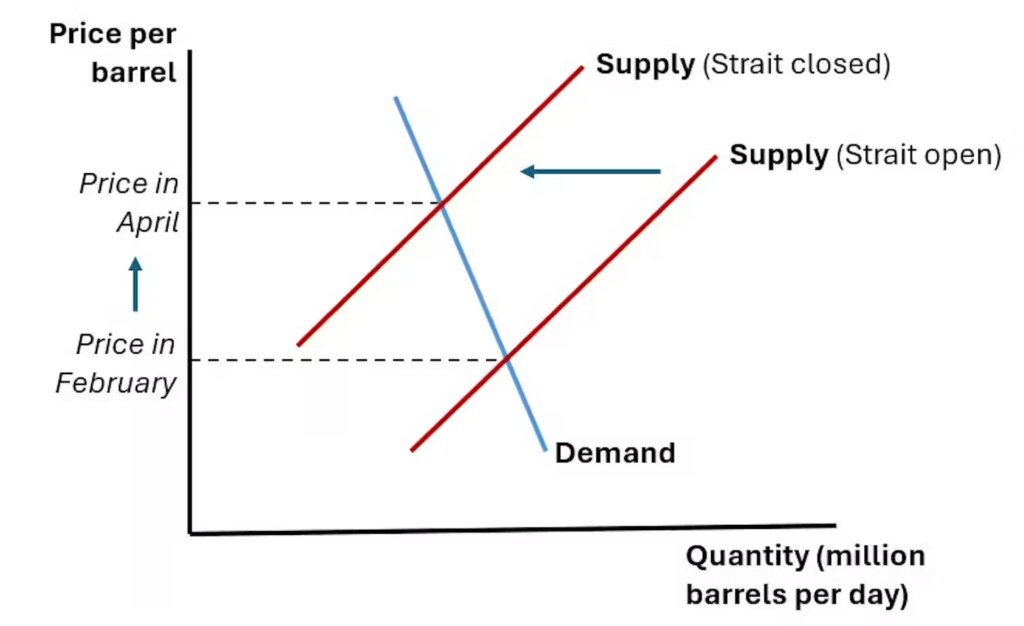
When supply is interrupted, even briefly, the effects are immediate. Basic economic principles explain this clearly: when availability drops but demand remains steady, prices rise. In this case, the sudden disruption of a major oil transit route triggered a rapid price escalation, leaving little time for markets or consumers to adjust.
Where the Money Flows
As prices climb, a key question emerges: who benefits?
Much of the additional revenue generated during price spikes flows back to oil producers. However, how that money is distributed depends heavily on ownership structures and national policies.
In Saudi Arabia, where the government controls most oil production, higher prices typically translate into increased public revenue. Historically, these funds have been used to support government spending and national development projects.
Meanwhile, oil producers in the Middle East face heightened risks due to the ongoing conflict. Threats to infrastructure, shipping lanes, and production facilities have increased costs related to security and insurance. Despite these challenges, relatively low production costs in the region mean profits can still remain strong when global prices rise.
Windfalls Beyond the Conflict Zone
Far from the conflict, oil producers are also reaping benefits. In the Permian Basin of West Texas, the largest oil field in the United States, companies are experiencing a financial boost as global prices rise faster than operational costs.
This surge in revenue often flows to shareholders through dividends and stock buybacks, while some companies reinvest in expanding production capacity.
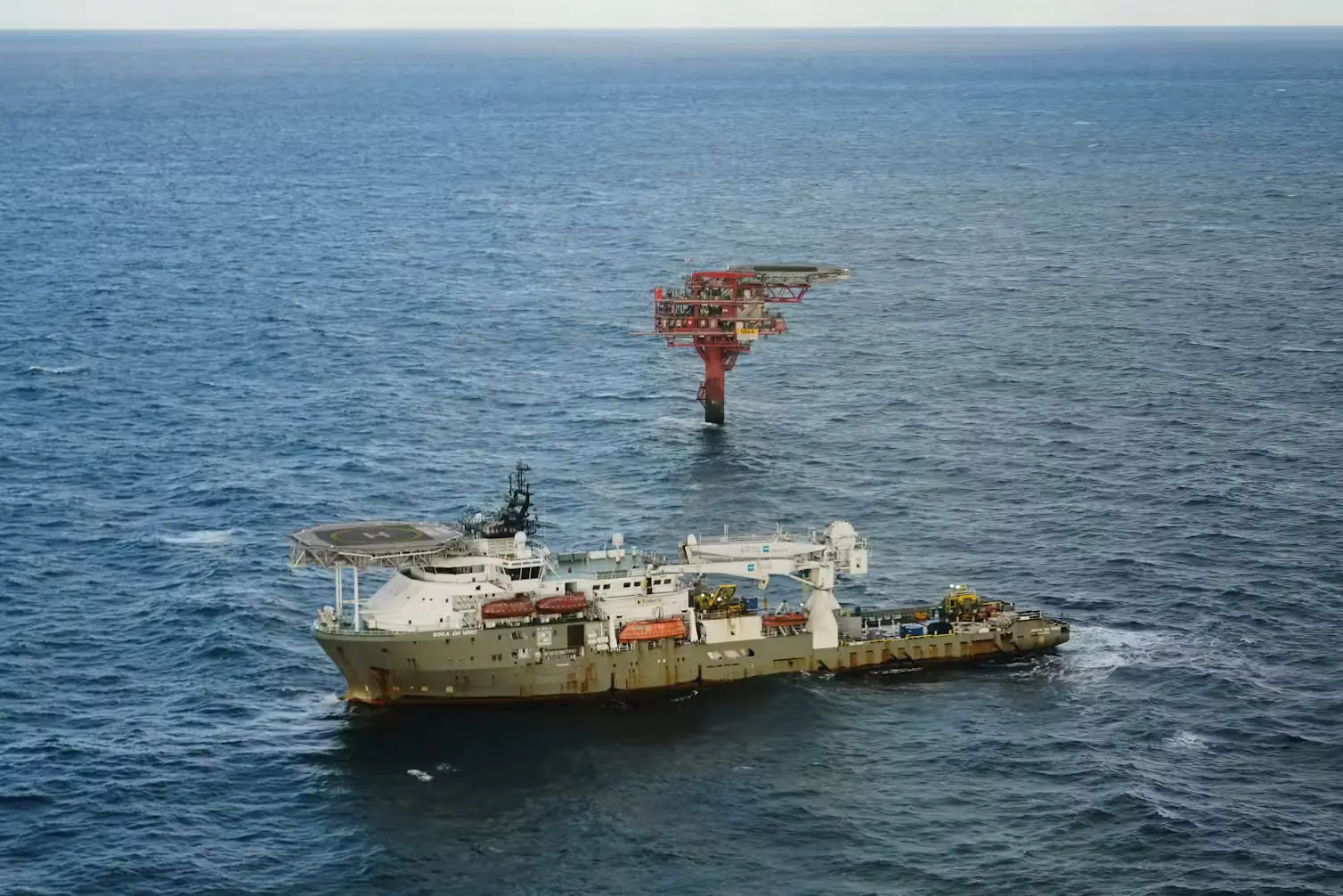
Across the Atlantic, the North Sea—shared by the United Kingdom and Norway—tells a slightly different story. In the U.K., private companies dominate production, but government taxes on profits ensure public coffers also benefit.
In Norway, oil wealth is carefully managed through the Government Pension Fund Global, a sovereign wealth fund exceeding $2 trillion. Strict rules govern its use, balancing present-day public spending with long-term financial security.
In Russia, oil revenues are shaped by international sanctions tied to the ongoing conflict in Ukraine. Western restrictions limit how Russian oil can be transported and sold, capping prices for shipments using Western services.
Despite these constraints, high global prices still generate substantial income for Russia’s state-controlled oil sector. Analysts suggest that much of this wealth is concentrated among political elites and industries tied to the state, rather than benefiting the broader population.
For consumers, the consequences are immediate and unavoidable. Rising oil prices translate into higher costs for fuel, transportation, and goods across the board. In the short term, there are few alternatives but to absorb these increases.
However, the longer-term outlook may look different. Repeated price shocks and geopolitical instability are accelerating global interest in alternative energy sources. Governments, businesses, and individuals are increasingly exploring options that reduce reliance on fossil fuels.
As the world grapples with the latest disruption, one reality remains clear: in a globalized energy market, local conflicts can have far-reaching economic consequences.