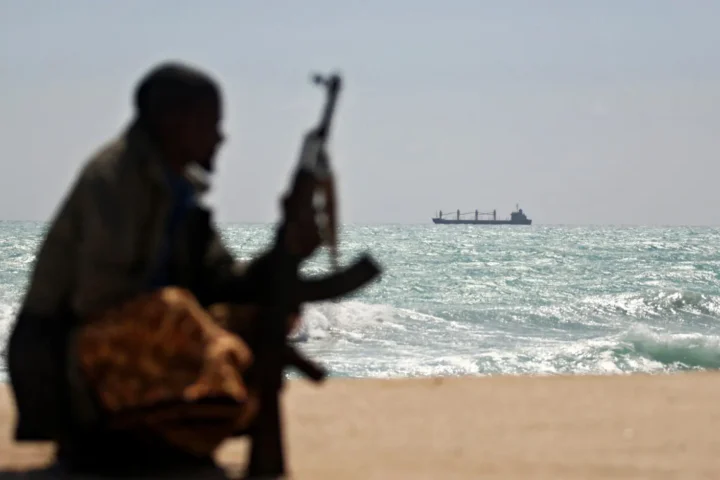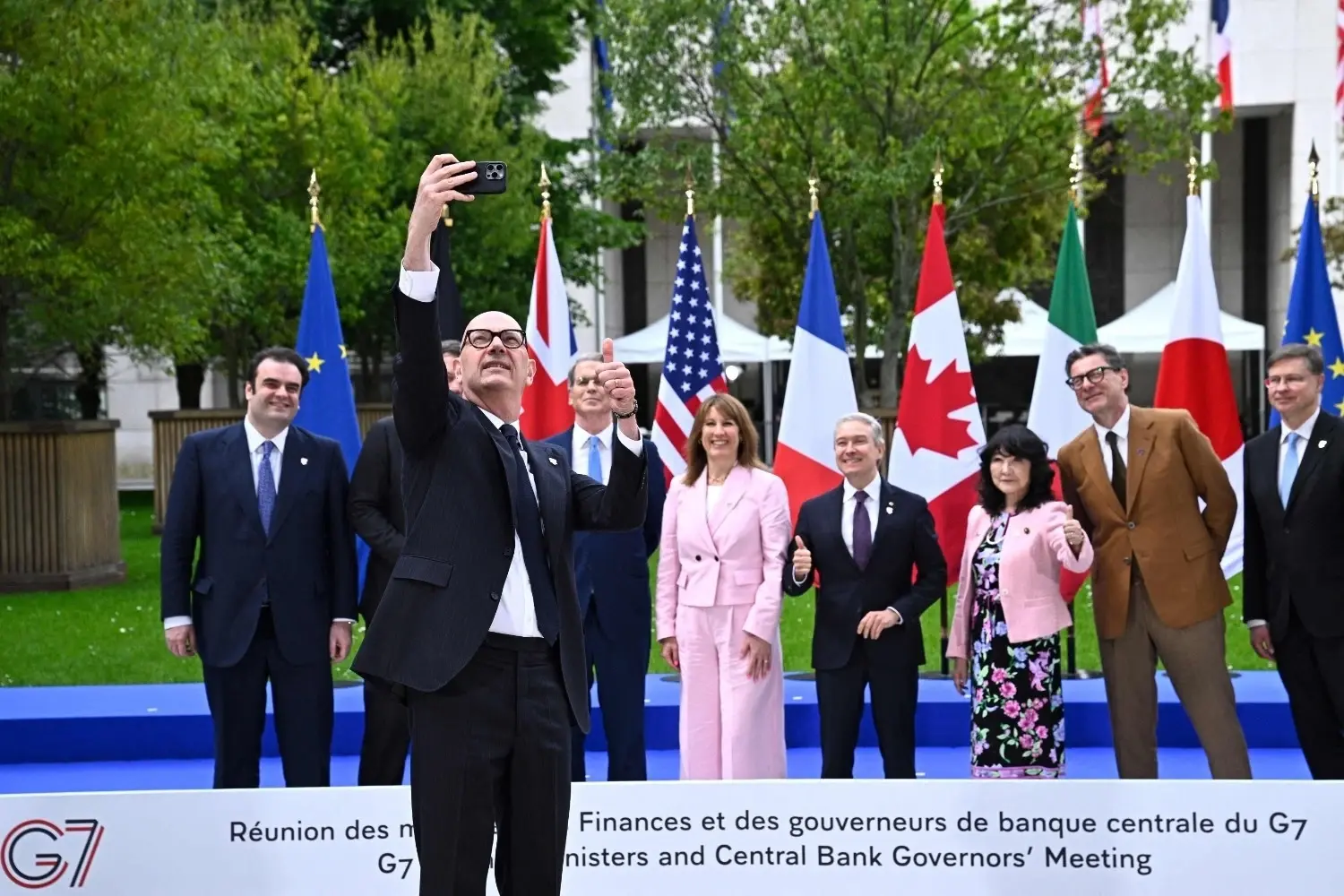
The world economy has entered a dangerous phase in which geopolitics, energy, and finance are colliding. When G-7 finance ministers gather to discuss the fallout from the Iran war, they are not debating a remote conflict; they are confronting a transmission mechanism that can quickly raise transport costs, lift food prices, pressure central banks, and shake sovereign debt markets. The latest market reaction suggests investors already understand that this conflict is not contained in the Middle East. It is feeding directly into the price of money everywhere.
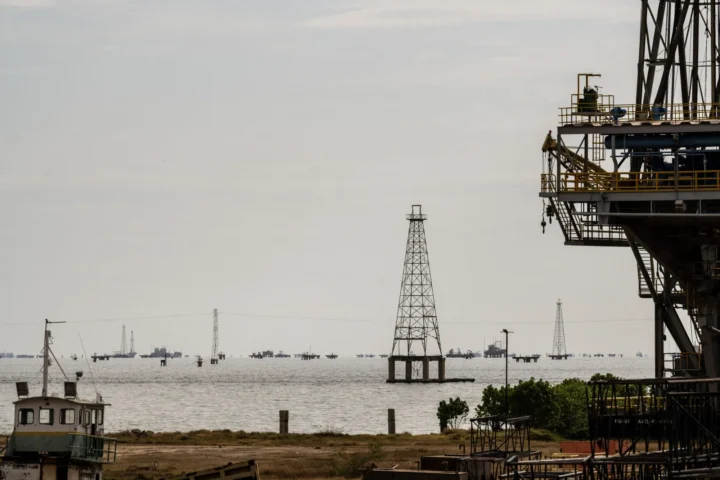
The clearest warning comes from oil. Brent crude has been trading around the $109 to $111 range, with intraday spikes above that level, after disruption fears tied to the Strait of Hormuz and broader conflict risk. That matters because the Strait of Hormuz is one of the world’s most important energy chokepoints: roughly 20 million barrels per day passed through it in 2025, about a quarter of global seaborne oil trade. When that corridor is threatened, the shock does not stay local. It lands on gasoline prices, shipping costs, airlines, plastics, fertilizers, and eventually consumer inflation across advanced and emerging economies.
Bond markets are flashing the second alarm. U.S. Treasury yields have climbed sharply, with the 10-year note recently touching 4.599% and earlier moving above 4.6%, while the 30-year bond rose to about 5.1% to 5.13%. In the UK, gilt yields have also jumped, with the 30-year yield near 5.8%, its highest level in decades, and the 10-year above 5%. Japan’s long-end yields have also come under pressure, which is especially significant because Japanese institutions are major holders of global debt. When bonds sell off simultaneously across the U.S., Europe, and Japan, the issue is no longer a local rate story. It becomes a global repricing of risk.
The market logic is straightforward. Higher oil pushes inflation expectations higher. Higher inflation expectations push bond yields higher. Higher yields tighten financial conditions just when growth is already fragile. That is why central banks are in such a difficult position. If they raise rates to fight inflation, they risk slowing demand further. If they pause, they may allow a new inflation wave to take hold. This is exactly the kind of policy trap that turns a geopolitical shock into an economic downturn.
The International Monetary Fund has already warned that the global economy is drifting into more dangerous territory. In its April 2026 outlook, the IMF projected global growth at 3.1% in 2026 and 3.2% in 2027 under a limited-conflict assumption. But Reuters reported that in a worse scenario, with oil staying around $100 per barrel this year and $75 in 2027, global growth could fall to 2.5% this year; in a severe case, it could drop to 2.0%, a level the IMF said would amount to a close call with global recession. That is not a tail risk to dismiss. It is a plausible outcome if energy flows remain constrained and financial conditions continue to tighten.
There is also a distributional problem hiding inside the macro numbers. High oil prices do not hurt every country equally. Importers like India, Japan, much of Europe, and many emerging markets are far more exposed than oil exporters. For lower-income economies, a sustained rise in fuel costs can worsen current-account balances, widen fiscal deficits through fuel subsidies, and intensify food inflation. For advanced economies, the damage may show up first in bond markets and real incomes. For families, the effect is the same: less purchasing power and more uncertainty.
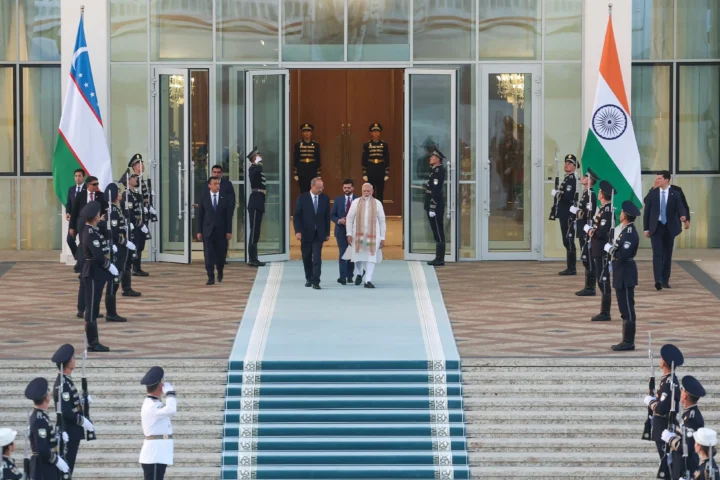
That is why the G-7 discussion matters. Finance ministers cannot end the war, but they can shape the economic response. They can coordinate energy-security measures, reassure bond markets, and avoid policies that amplify volatility. They can also send a signal that inflation-fighting remains credible without overreacting into a growth collapse. In moments like this, coordination is not a luxury; it is a stabilizer.
The uncomfortable truth is that the world economy is more vulnerable than it looks. Growth is positive, but not strong. Inflation is lower than the post-pandemic peak, but not fully defeated. Debt is high. Bond markets are nervous. And oil is once again acting like the tax the world never voted on. If the Iran war drags on, the question will not be whether markets feel the shock. The question will be whether policymakers move fast enough to prevent a supply shock from becoming a demand shock, and then a global recession.
The G-7 should treat this as a stress test for the entire financial system, not a passing headline. If energy prices remain elevated and bond yields keep rising, the world may discover that recession does not begin with a crash. Sometimes it begins with a slow, costly squeeze.