The problem with Donald Trump’s Congo deal is not that it is too ambitious. It is that it mistakes spectacle for strategy. A White House ceremony can stage a breakthrough, but it cannot manufacture peace in eastern Congo, where armed groups, regional rivalries, and deep distrust have made every shortcut look unserious.
Trump sold the agreement as proof that his transactional diplomacy could do what years of multilateral slog had failed to do: stop the fighting, secure U.S. access to critical minerals, and fold Africa into an “America First” foreign policy. Yet the deal now looks less like a durable settlement than a diplomatic brand exercise, one already fraying under the weight of renewed violence, legal challenge, and political suspicion in Kinshasa.
The central flaw was visible from the start. The Trump administration tried to fuse two goals that often conflict: peace in a war zone and access to natural resources. That may have sounded clever in Washington, but in Congo it invited the most dangerous possible interpretation: that the United States was not brokering peace so much as shopping for leverage.
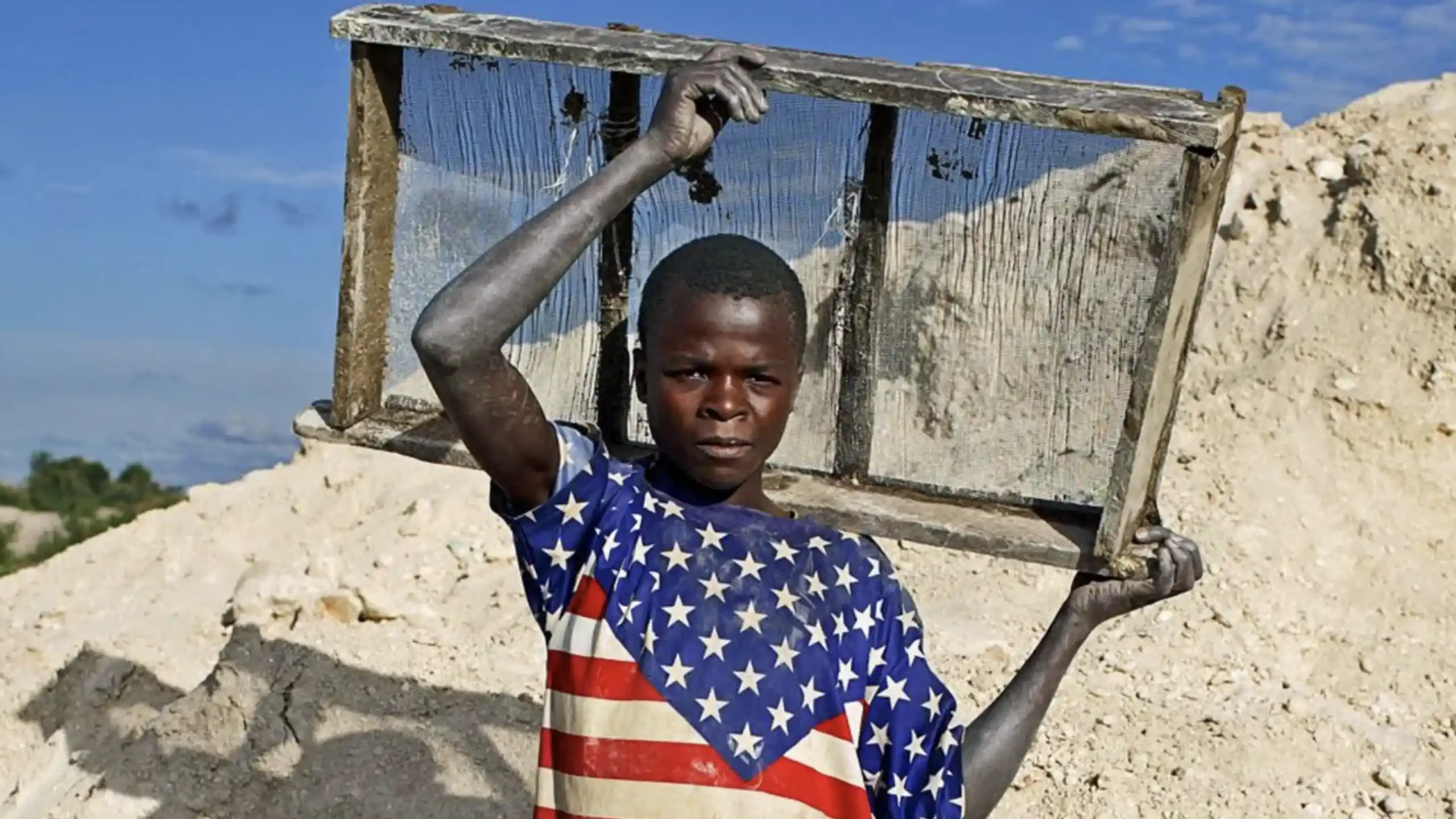
That perception is politically fatal. Congolese history is saturated with foreign extraction, broken promises, and deals struck over the heads of local people. So when critics warn that the arrangement could undervalue the country’s resources or turn sovereignty into a bargaining chip, they are not indulging a reflexive nationalism. They are responding to a long record of outsiders treating Congo’s instability as an opportunity.
The fragility of the deal became obvious almost immediately. Fighting continued in eastern Congo after the Washington ceremony, undermining the claim that the agreement represented a real turning point. Clashes intensified in the east, drones struck Goma, and broader insecurity persisted despite the diplomatic fanfare. A peace deal that cannot interrupt the violence it is supposed to end is not yet a peace deal; it is a headline.
That gap between ceremony and reality reflects another weakness of Trump’s approach: the assumption that a transactional U.S. president can simply impose order on an intractable conflict. But eastern Congo is not a boardroom. It is a theater of overlapping wars, with rebel coalitions, state forces, neighboring countries, and armed local actors all pursuing their own calculations. If the battlefield incentives remain intact, a deal on paper is just that—paper.
“America First” also runs into trouble because it is built for asymmetric bargaining rather than reconciliation. The Trump model assumes that the United States can offer something of value, threaten punishment, and then declare success. In Africa, however, legitimacy matters as much as leverage. Governments and publics want to know who benefits, who controls implementation, and whether any agreement can withstand political change or pressure from armed groups. When the U.S. appears to prioritize minerals, strategic access, and a quick public victory, it undercuts the trust required for the harder work of enforcement.
The domestic backlash inside Congo should have been predictable. Reports of a constitutional challenge to the U.S.-DRC strategic partnership show that the deal is not simply a diplomatic disagreement but a political fight over sovereignty and process. In that context, even a technically sound agreement can become unstable if citizens believe it was rushed, opaque, or skewed toward foreign interests. A bargain that cannot survive public scrutiny at home is unlikely to produce peace abroad.
There is also a regional blindness at the heart of the Trump formula. The conflict in eastern Congo is not only a bilateral dispute between Kinshasa and Kigali, nor can it be solved by speeches aimed at one pair of presidents. It involves militia economies, border insecurity, humanitarian collapse, and a wider network of external actors. The United Nations has repeatedly been pulled back into monitoring and reconnaissance roles, and efforts continue to salvage ceasefire arrangements. That is a sign not of success, but of how incomplete the U.S. framework remains.
The humanitarian consequences make the mismatch even starker. Deadly militia attacks, refugee deaths, and an increasingly dire emergency in the east are not side effects that can be dismissed until the minerals deal matures. They are the conflict itself. Any American policy that treats extraction and security as separate from the human cost of war is not just morally thin; it is strategically naïve.
The strongest defense of Trump’s Congo initiative is that the United States has at least reinserted itself into a region where it had often seemed absent. But presence is not the same as policy. An effective African strategy would need patience, institutional follow-through, and a willingness to accept that peace cannot be purchased at discount rates or announced ahead of schedule. Instead, the administration has conflated influence with outcomes, as if a summit and a sanctions threat can substitute for the slower architecture of trust, monitoring, and local buy-in.
That is why the deal is falling apart. It rests on a contradiction at the center of Trump’s foreign policy: the belief that the United States can be both self-interested and benevolent, both extractive and stabilizing, both unilateral and trusted. In Congo, those tensions are no longer theoretical. They are visible in every renewed clash, every legal challenge, every skeptical statement from local actors who see the gap between what Washington promised and what the east of the country still endures.
The lesson reaches beyond Congo. America First sounds decisive when the issue is tariffs, border control, or domestic politics. In Africa, where history has made countries exquisitely sensitive to foreign motives, it can sound like a euphemism for opportunism. If the United States wants a serious role on the continent, it will need a policy that treats African states as partners, not as instruments. It will need to show that peace is the goal, not the cover story.
Trump’s Congo deal is failing because it asked a war zone to perform like a business transaction. Congo has refused the script, and that refusal is the most honest verdict yet on the limits of America First in Africa.