President Trump’s reported agreement to give the U.S. majority control over more than 65 billion barrels of Venezuelan oil is potentially one of the most consequential energy initiatives in the Western Hemisphere in decades. It could also become one of the most misunderstood.
The President says the arrangement will more than double American oil reserves, replenish the Strategic Petroleum Reserve and substantially lower gasoline prices. His instinct—that the U.S. should secure dependable access to oil in its own hemisphere rather than leave supply chains hostage to hostile powers and distant chokepoints—is sound. But access to Venezuelan crude is not the same thing as owning an American reserve, and a headline about 65 billion barrels is not a gallon of cheaper gasoline tomorrow morning.
If this deal is to work, the administration must treat it as what it should be: a transparent commercial framework to revive a failed oil industry, strengthen U.S. refiners’ access to heavy crude and give Venezuela a path away from petro-state dysfunction. It must not become an opaque experiment in U.S. government ownership of foreign oil fields.
Mr. Trump says the U.S. has secured majority control of more than 65 billion barrels of proven Venezuelan reserves through a partnership with private business, at no cost to taxpayers. The public details remain sparse. Reporting indicates that the structure could involve 100-year development rights for a joint venture, with the U.S. receiving 55% of the venture’s “effective output” through a combination of equity and rights to purchase oil at cost. The operator itself has not been publicly identified.
Those details matter more than the barrel count. A reserve is not a warehouse full of oil waiting to be collected. It is an estimate of oil that may be economically recoverable, given future investment, technology, operating conditions, prices and political stability. Venezuela’s oil stays beneath Venezuelan soil. The practical value of any U.S. stake will depend on whether fields can be developed, pipelines repaired, diluent supplied, power made reliable, export terminals operated and contracts enforced.
That distinction punctures the slogan that this transaction “doubles” American reserves. The Energy Information Administration put U.S. proved crude-oil and lease-condensate reserves at 46.4 billion barrels at year-end 2023. Add 65 billion to that figure on paper, and the arithmetic looks impressive. But Venezuelan barrels held under a concession are not domestic U.S. reserves. They are foreign assets subject to Venezuelan law, Venezuelan politics and the commercial fortunes of an as-yet unnamed operator.
Nor does the deal refill the Strategic Petroleum Reserve merely by being announced. The SPR is a physical emergency stockpile in salt caverns on the Gulf Coast, not an accounting category. Its authorized capacity is 714 million barrels, and the Energy Department reported 294.1 million barrels in storage as of Aug. 20. To replenish it, the government still needs barrels that are produced, transported, purchased or exchanged, delivered to the right grade and physically injected into the reserve.
None of this means the agreement is unwise. Quite the reverse: Venezuela offers an unusually strong commercial logic—if Washington gets the policy right.
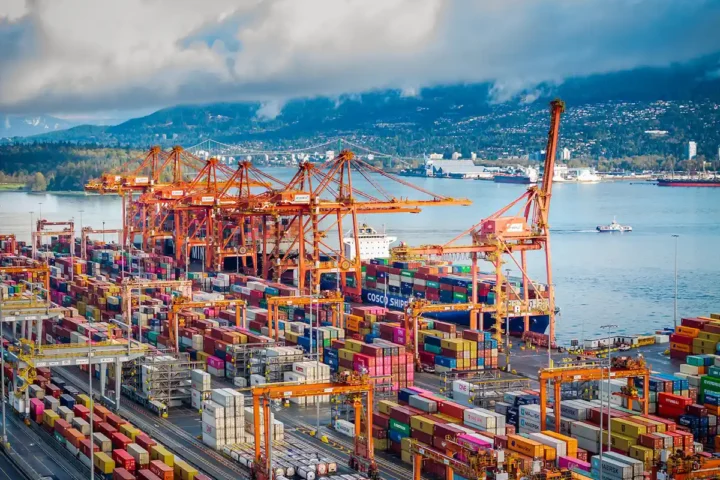
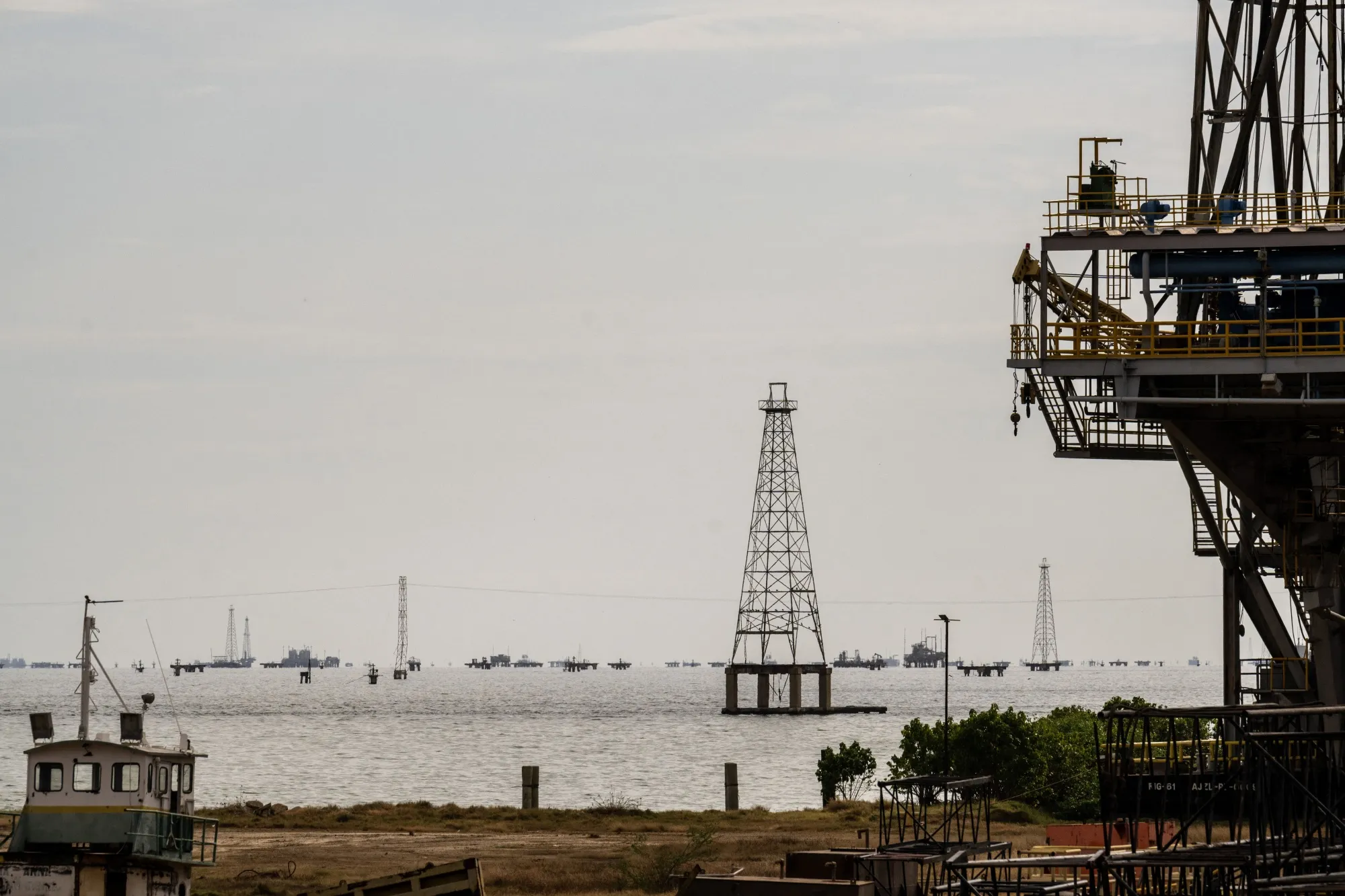
Venezuela has the world’s largest proven oil reserves, much of them in the Orinoco Belt, but decades of nationalization, political interference, underinvestment, sanctions and operational decay turned a petroleum giant into a chronic underproducer. It now produces roughly 1.25 million barrels a day, a fraction of its historical capacity. The country’s crude is largely heavy and sour, precisely the sort of feedstock that sophisticated refineries on the U.S. Gulf Coast were designed to process.
That matters. The U.S. is a major producer of light shale oil, but its refineries were built around a diverse diet that includes heavier grades. Venezuelan supply can therefore do more than increase global oil availability in the abstract. It can improve the economics and reliability of particular U.S. refining systems. Indeed, more than 500,000 barrels a day of Venezuelan oil were already moving to the U.S. by mid-August, according to a senior Energy Department official—an indication that the practical commercial relationship was returning before this larger agreement was announced.
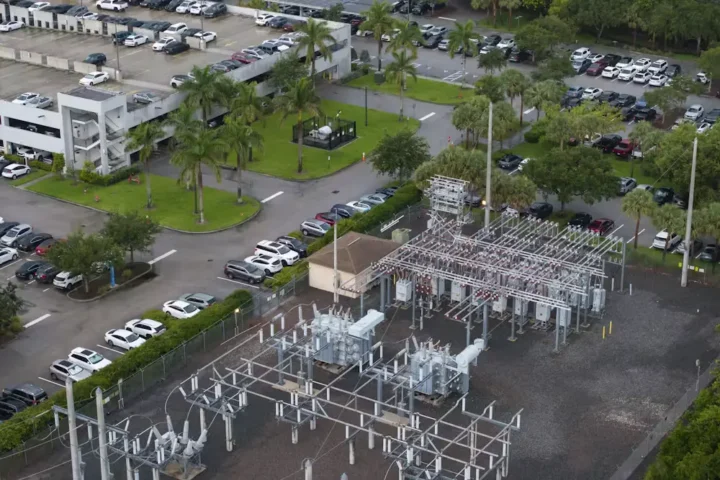
The administration’s larger aim is plausible: replace political uncertainty with stable contracts, unlock private capital and increase output. Venezuelan interim President Delcy Rodríguez says development of 17 fields could generate $209 billion in tax revenue for Venezuela. Secretary of State Marco Rubio has said the project could draw nearly $100 billion in private investment. Those figures should be treated as ambitions, not cash flows. But the scale of the capital requirement is real. Venezuela’s industry needs not only drilling but rehabilitation of pipelines, upgraders, storage, ports, electricity systems, environmental controls and basic maintenance.
The difficult truth is that no presidential announcement can make those investments happen overnight. Analysts have cautioned that Venezuela’s weak power grid, inadequate export infrastructure, government discretion over the industry and political uncertainty may prevent a rapid production surge. The country’s history gives investors ample reason for caution. Venezuela nationalized its oil industry in the 1970s; under Hugo Chávez, foreign companies were forced into state-controlled joint ventures, and assets operated by Exxon Mobil and ConocoPhillips were later expropriated.
A new oil-law reform offers some reason for guarded optimism. Venezuela this year expanded the ability of private operators to manage projects, market output and receive revenues without PDVSA’s direct involvement. Yet the state retains control over core oil activities, and the reported U.S. arrangement may face legal or constitutional questions. A commercial contract is only as durable as the institutions that enforce it.
That is why Washington should resist the temptation to turn this initiative into oil mercantilism. The U.S. government need not operate Venezuelan fields, choose winners among refiners or promise American taxpayers that an equity stake is free. Equity is never free when it carries diplomatic, legal and security obligations. If a project fails, if Venezuela’s politics reverse, or if contracts are challenged, American officials will face pressure to protect an asset that private investors normally would have been expected to risk.
The better model is American-backed market access, not American state ownership. Let qualified private companies compete for transparent concessions. Let them bear the investment and operating risk. Let them sell crude under clear, enforceable offtake arrangements, including to U.S. refiners and, when appropriate, into world markets. The government’s role should be to establish sanctions clarity, insist on contract enforcement, support credible arbitration and protect against corruption—not to act as a foreign national oil company.
Congress should demand several conditions before celebrating this as a historic victory. First, the administration should publish the agreement’s key terms: the fields involved, the operator, the financing, the U.S. entity holding the stake, the duration, the liabilities and the mechanism by which “55% effective output” is calculated. Second, any commitment of U.S. public funds, guarantees or military protection should be disclosed and authorized, not hidden beneath the phrase “no cost to the taxpayer.” Third, the agreement should require independently audited payments to Venezuela and strong anti-corruption safeguards. A revived oil industry that merely finances another patronage machine would serve neither Venezuelans nor Americans.
Finally, the White House should be candid with motorists. Greater Venezuelan output could eventually add supply, improve Gulf Coast refinery options and exert some downward pressure on fuel prices. But gasoline prices reflect global crude markets, refining capacity, transportation costs, inventories, taxes and disruptions. Oil from fields that need years of capital work cannot be promised as an immediate antidote to today’s prices.
Mr. Trump may have opened a valuable strategic door. But the success of the Venezuela initiative will not be measured by a 65-billion-barrel headline. It will be measured by barrels actually produced, contracts actually honored, private capital actually invested and a Venezuela that becomes a reliable commercial partner rather than another geopolitical dependency.
America should welcome that outcome. It should not confuse the possibility of it with possession.