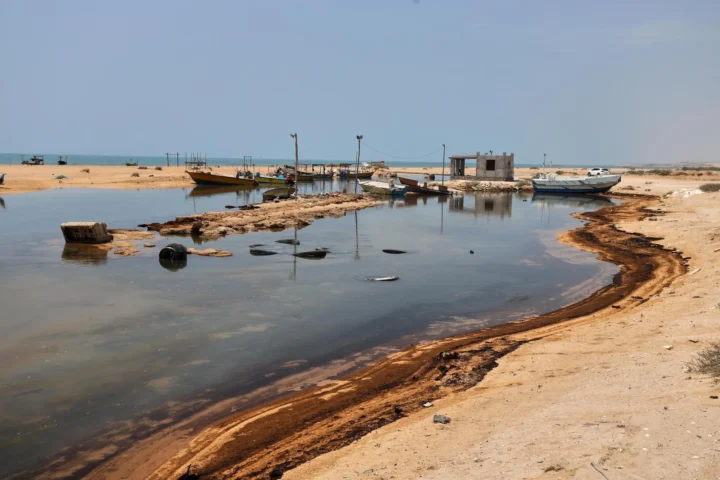
Oil pollution has reached the Hara mangrove forests of Iran’s Qeshm Island, raising fresh concerns over the environmental consequences of the continuing conflict between Iran and the United States in one of the world’s most strategically sensitive waterways.
Iranian authorities are assessing the scale of the contamination along the country’s southern coast, while the source of the oil remains unclear. The incident comes amid reports of several oil spills in the Persian Gulf region since the outbreak of hostilities, prompting fears that prolonged conflict could place already fragile coastal ecosystems under mounting pressure.
Oil Slick Fouls 32,000 Square Meters Off Iran’s Qeshm and Hengam Islands
— EuroPost Agency (@EuroPostAgency) August 13, 2026
Environmental damage threatens sensitive mangrove forests and sea turtle habitats as officials and maritime trackers blame a foreign bulk carrier.
#EuroPost pic.twitter.com/bOldOBBf2A
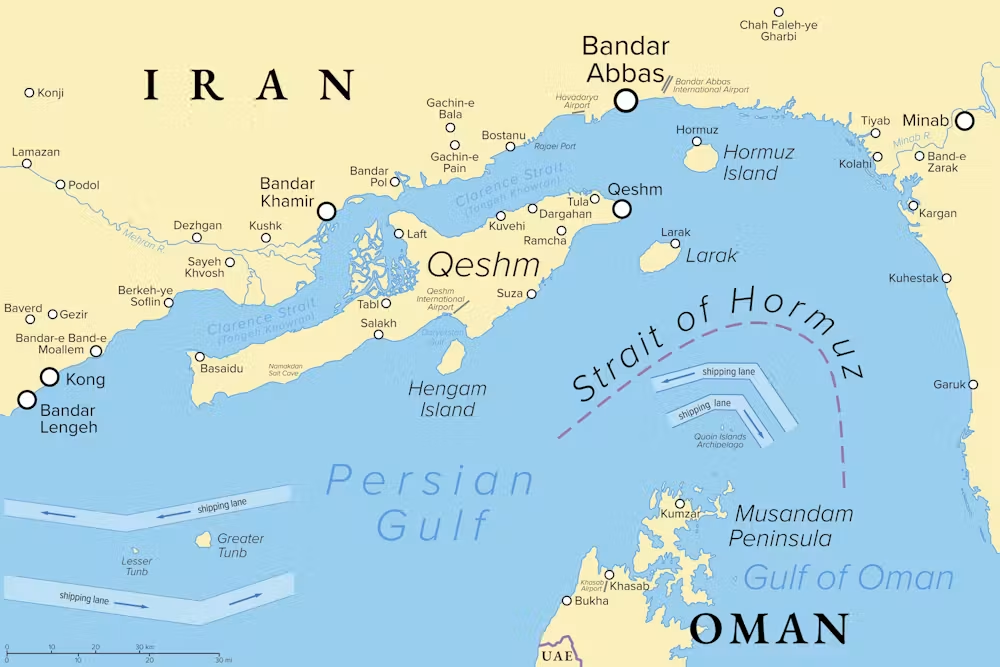
The Hara forests are situated in the Khuran Strait, the narrow stretch of water separating Qeshm Island from mainland Iran. The area lies close to the Strait of Hormuz, a vital maritime passage through which a significant share of the world’s oil and gas supplies normally travels.
While much of the international focus on the Strait of Hormuz centres on shipping, energy supplies and global oil prices, the waters surrounding the strategic corridor also support an extensive and vulnerable marine environment.
Mangrove forests, coral reefs, seagrass beds and fisheries are spread across the region, supporting coastal communities and marine biodiversity. Gulf waters are also crucial to desalination facilities that supply fresh water to some of the world’s most water-stressed countries.
The arrival of oil in the Hara forests is particularly concerning because mangroves are considerably more difficult to clean than open water.
Mangrove roots slow the movement of water and accumulate fine sediments, creating productive habitats for fish, birds and other marine organisms. But those same characteristics can cause oil and other pollutants to become trapped within the ecosystem.
Oil floating offshore can sometimes be contained or recovered from the surface. Once it reaches inter-tidal sediments and mangrove root systems, however, contamination can persist for much longer.
Oil exposure can damage seedlings and roots, while organisms living in contaminated sediments may carry pollutants further through the food chain. The ecological impact can consequently spread beyond areas where oil is immediately visible.
The Qeshm incident also appears to be part of a broader pattern of pollution concerns emerging during the conflict.
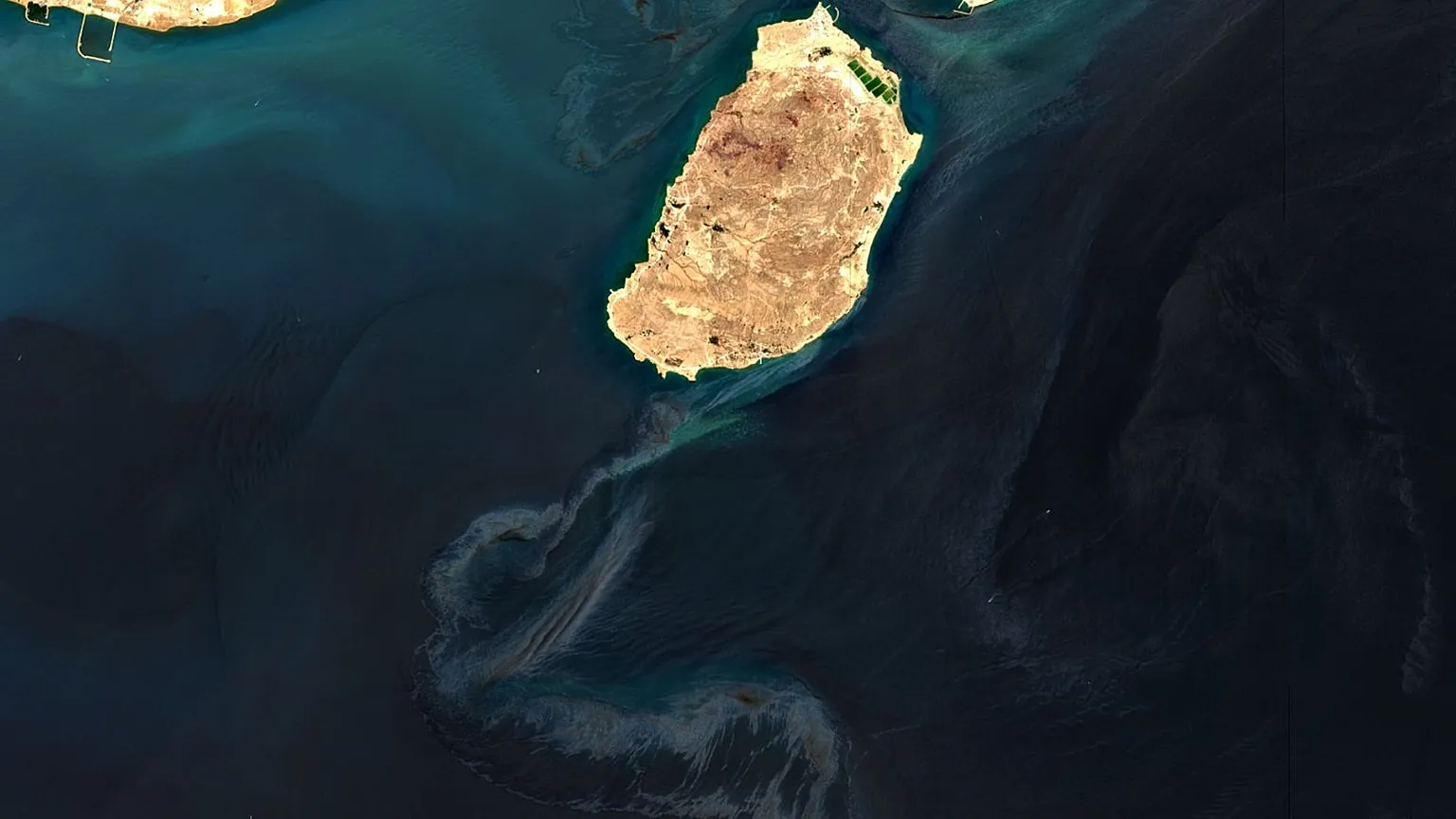
Earlier, an oil slick was detected near Kharg Island in the northern Persian Gulf. Satellite observations indicated that currents were moving contamination through regional waters and towards the Khuran Strait. Researchers studying satellite data have also reported an increase in the frequency and geographical spread of oil pollution across the Gulf since fighting began.
Environmental experts say the immediate priority around Qeshm should be to prevent further oil from entering the mangrove forests.
Once contamination penetrates dense mangrove roots and sediments, large-scale removal becomes considerably more difficult and carries the danger of causing additional ecological damage.
Authorities will also need to determine where the oil originated and establish its chemical composition. Detailed surveys of the affected coastline, combined with satellite observations and water and sediment sampling, could help determine how far the pollution has spread.
Long-term monitoring will be equally important. Scientists will need to compare affected areas with uncontaminated sites and track changes in mangrove health, marine organisms, sediments and water quality.
The conflict itself, however, could complicate such efforts by restricting access for scientists, environmental agencies and emergency-response teams.
Past oil spills have also demonstrated that an overly aggressive clean-up can sometimes worsen environmental damage. Following the Exxon Valdez disaster in Alaska in 1989, high-pressure hot-water treatment helped remove stranded oil but also harmed shoreline organisms and habitats.
Mangrove ecosystems are especially vulnerable to such physical disturbance, making careful containment and targeted intervention essential.
Experts caution that the disappearance of visible oil should therefore not be treated as evidence that the environmental threat has ended. Hydrocarbons can remain trapped in sediments and continue affecting ecosystems long after coastlines appear clean.
The situation has also renewed attention on a wider issue frequently overshadowed during armed conflicts: the environment itself forms part of a region’s critical infrastructure.
Mangroves provide natural coastal protection and nurseries for marine species, while fisheries sustain livelihoods and contribute to food security. Coastal waters supply desalination plants, aquifers store freshwater and healthy soils underpin agricultural production.
Damage to such systems can continue imposing economic and social costs long after fighting ends.
Unlike roads, buildings or pipelines, mature ecosystems cannot simply be rebuilt once hostilities cease. Mangrove forests develop through biological processes that take years, and the ecological services lost through severe degradation may take decades to recover — if they recover completely.
It remains too early to determine whether the contamination at Qeshm will result in lasting ecological damage. The extent of the spill, its source and its long-term effects have yet to be established.
But the incident highlights the unusual concentration of environmental and geopolitical risk surrounding the Strait of Hormuz.
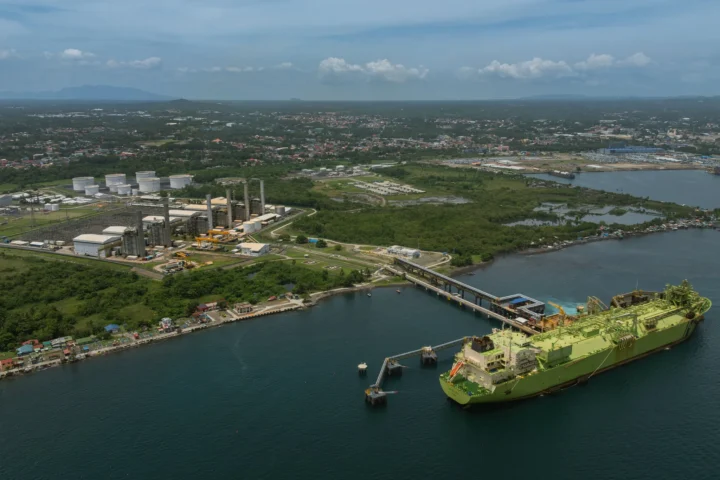
Vast hydrocarbon infrastructure, heavy maritime traffic, sensitive marine habitats and vital water systems all occupy the same narrow geographical space. Continued conflict increases the possibility that accidents, damaged infrastructure and disrupted environmental management will affect several of these systems simultaneously.
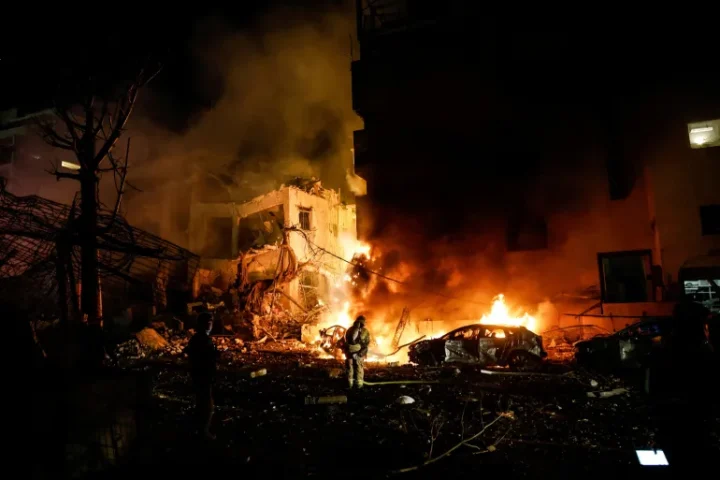
Some consequences of war are immediately apparent — burning ships, damaged installations, polluted coastlines and dying vegetation. Others emerge more slowly, accumulating in sediments, groundwater, soils and marine food chains.
Those less visible effects could ultimately prove among the most difficult legacies to address. Military conflicts may end with agreements and ceasefires, but damaged ecosystems often operate on a very different timetable.