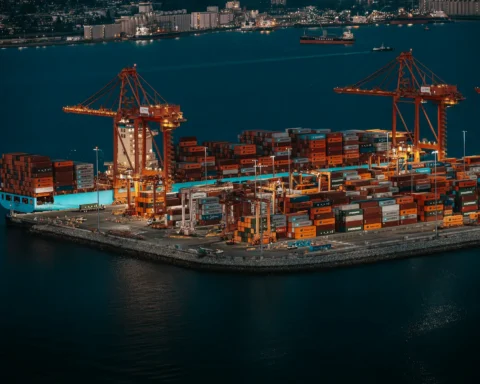
Iran’s push to collect Strait of Hormuz oil transit tariffs in Chinese yuan signals a real, though gradual, erosion of the US “petrodollar” system at the margins, but it does not yet
Pakistan’s sudden usefulness as a mediator between the United States and Iran maybe real for now, but it is unlikely to harden into a durable strategic partnership with Washington. The reason is
Every spring, a small fruit briefly reveals how globalization really works. Indian mangoes, especially Alphonso and Kesar varieties, arrive in the United States not as ordinary produce but as objects of longing,
Hollywood has seen its share of wild deals, but the Warner Bros saga stands apart because it has compressed a quarter-century of corporate whiplash into a single, messy, open-ended story arc. From
In a move that reeks of cover-up, at least 16 files vanished from the U.S. Justice Department’s website less than 24 hours after their release. This incident, unfolding on December 20, 2025,
In his first prime-time address from the White House since authorizing military strikes in Iran last June, President Donald Trump attempted to recast himself as the steward of an economic revival. Yet
The latest offer from Washington to Kyiv — binding security guarantees “similar to those of NATO” — marks the Trump administration’s boldest intervention yet in the grinding war between Ukraine and Russia.
President Trump’s new executive order on artificial intelligence reflects a deeply rooted American instinct: don’t choke the next great technology before it has a chance to grow. It is an instinct forged
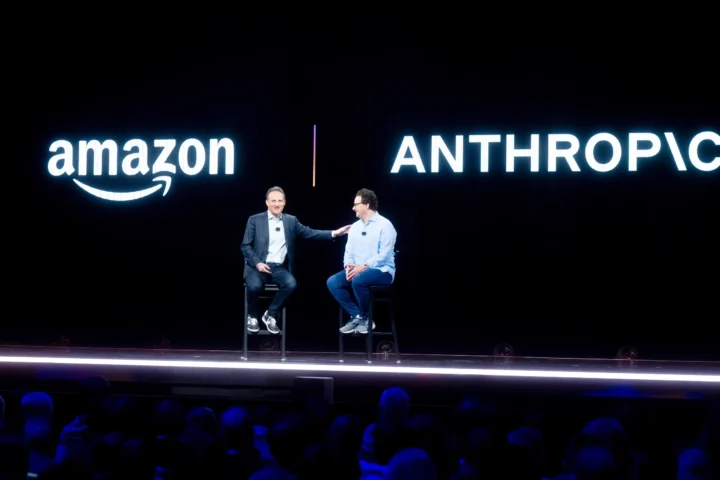
Amazon’s fresh pledge to invest $35 billion in India over five years, coming days after Microsoft’s $17.5 billion commitment to cloud and AI infrastructure, signals that India has become the primary global
There is now an explicit debate in Washington over whether Donald Trump’s tariff-heavy approach is putting the United States on a path to “lose” India as a long‑term strategic partner. The argument
In the evolving landscape of global power, alliances are not merely diplomatic conveniences but true pillars of national security. As the United States faces rising threats from authoritarian regimes, renewed attention is
The Trump administration has fundamentally altered U.S. trade policy by imposing exceptionally high tariffs across a wide range of imports. While the stated reasons for these actions vary—shrinking trade deficits, countering foreign
President Donald Trump’s second term has reignited a confrontational approach toward Venezuela, blending economic sanctions, military posturing, and diplomatic overtures aimed at dismantling Nicolás Maduro’s regime. This stance prioritizes curbing drug trafficking