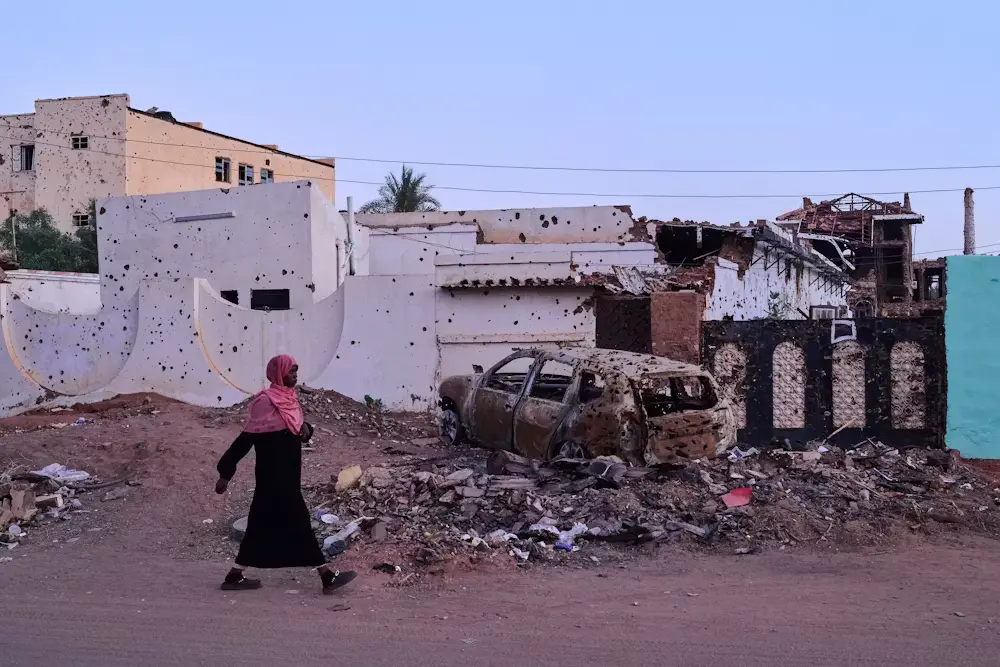
Three years into what has become the world’s worst humanitarian crisis, Sudan remains largely absent from global headlines. Since civil war erupted in April 2023 between the Sudanese Armed Forces (SAF), led by Abdel Fattah al-Burhan, and the paramilitary Rapid Support Forces (RSF), commanded by Mohamed Hamdan Dagalo, known as “Hemedti”, the country has descended into catastrophe at a scale that defies comprehension.
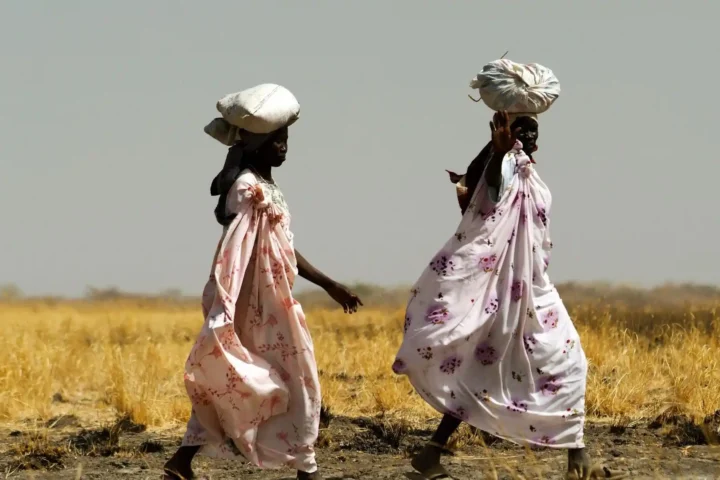
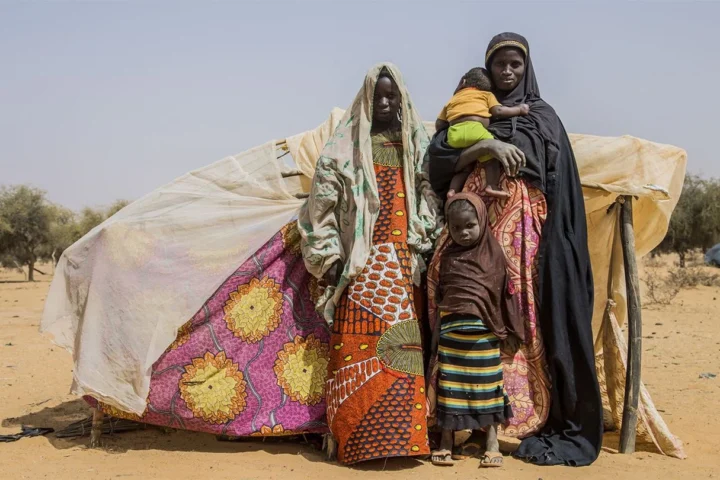
The numbers alone should command global outrage. More than 150,000 people are estimated to have died. Over 15 million civilians have been forcibly displaced. Nineteen million people face acute hunger. Crimes against humanity and genocide have been documented. Yet the international community’s attention has drifted elsewhere, and the funding and protection mechanisms that sustain humanitarian response have, for many on the ground, all but disappeared.
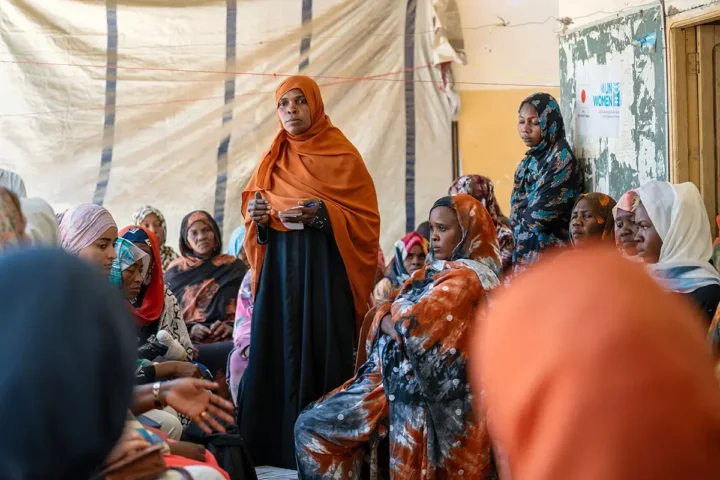
Into this void have stepped ordinary Sudanese people, volunteers, community leaders, and civil society workers who are risking their lives daily to keep their neighbours alive.
These volunteers have organised themselves into what are known as Emergency Response Rooms, decentralised, community-led networks that coordinate and carry out life-saving assistance across some of the most dangerous terrain in the world. Active in Darfur, Greater Khartoum, Gezira, Kassala, Al-Qadarif, Kordofan, and the Nuba Mountains, these groups operate with minimal resources and maximum risk. Of twenty local leaders interviewed by researchers for a recent study, only five received any salary. The rest work entirely without pay.
The spirit animating this work has a name in Sudanese culture: nafeer. It refers to a deep sense of social responsibility, a tradition of collective action rooted in the idea that one must “lift your bowl to your neighbour.” Diaspora communities around the world have spent years channelling funds back into these networks, sustaining what the formal international system has been unable or unwilling to support. But nafeer, as its practitioners acknowledge, was never meant to be permanent. After three years, the people carrying this burden are exhausted.
What makes this situation especially troubling is not merely the scale of the crisis, but the way in which the international humanitarian system has, in effect, compounded the problem.
Because Emergency Response Rooms have not been formally classified as “humanitarian organisations” within the international humanitarian framework, the people staffing them are not recognised as humanitarian workers. This distinction has severe consequences. It means they are not entitled to the legal protections afforded under international law, including those established by the Geneva Conventions — protections that exist precisely to safeguard people doing exactly the work these volunteers are doing. In a conflict zone where military and paramilitary forces operate with impunity, this gap in recognition is not merely bureaucratic. It is a matter of life and death.
Those who do manage to access international funding face a different but equally debilitating set of obstacles. Funding mechanisms are described by local leaders as deeply inflexible, slow-moving, and poorly aligned with ground-level needs. Navigating the requirements of different donors — each with their own templates, procedures, and priorities — consumes time and energy that communities simply do not have when the priority, as one volunteer put it, is “saving lives first.” When donors dictate what organisations should focus on, they undermine the very local knowledge and contextual understanding that makes community-led response effective.
The numbers bear this out. The number of organisations in Sudan receiving funding from major humanitarian bodies has declined sharply in recent years — not because conditions have improved, but because global attention has moved on. One Sudanese humanitarian leader gave voice to the moral dimension of this shift with painful clarity: when one crisis receives more attention than another, it means some people’s lives are considered to matter more than others.
This is a direct challenge to the founding ethical principle of the international humanitarian system — that assistance should be allocated on the basis of need, and need alone, not geopolitical interest or media salience.
There have been gestures of recognition. Sudan’s Emergency Response Rooms received major humanitarian prizes in 2025, and have been nominated for the Nobel Peace Prize on two occasions. These honours speak to the extraordinary courage and ingenuity of the people involved. But awards do not constitute protection. They do not unlock funding. And they do not translate into formal standing within the systems that determine who receives support and who does not.
The local leaders who participated in recent research have articulated a clear set of demands. They are calling for genuine protection and compensation for frontline responders, more flexible funding agreements that reflect operational realities, direct financial support that accounts for administrative costs, and — critically — investment in long-term reconstruction, not merely emergency relief. Sudan’s crisis did not begin three years ago, and it will not end when the guns eventually fall silent.
Without substantive reform, the international humanitarian system risks exactly what one Sudanese leader described: continuing to “plough the sea,” circling endlessly without producing real progress.
Sudan’s volunteers have kept communities alive under conditions that most of the world has chosen not to see. The least the international community can do is see them — and act accordingly.