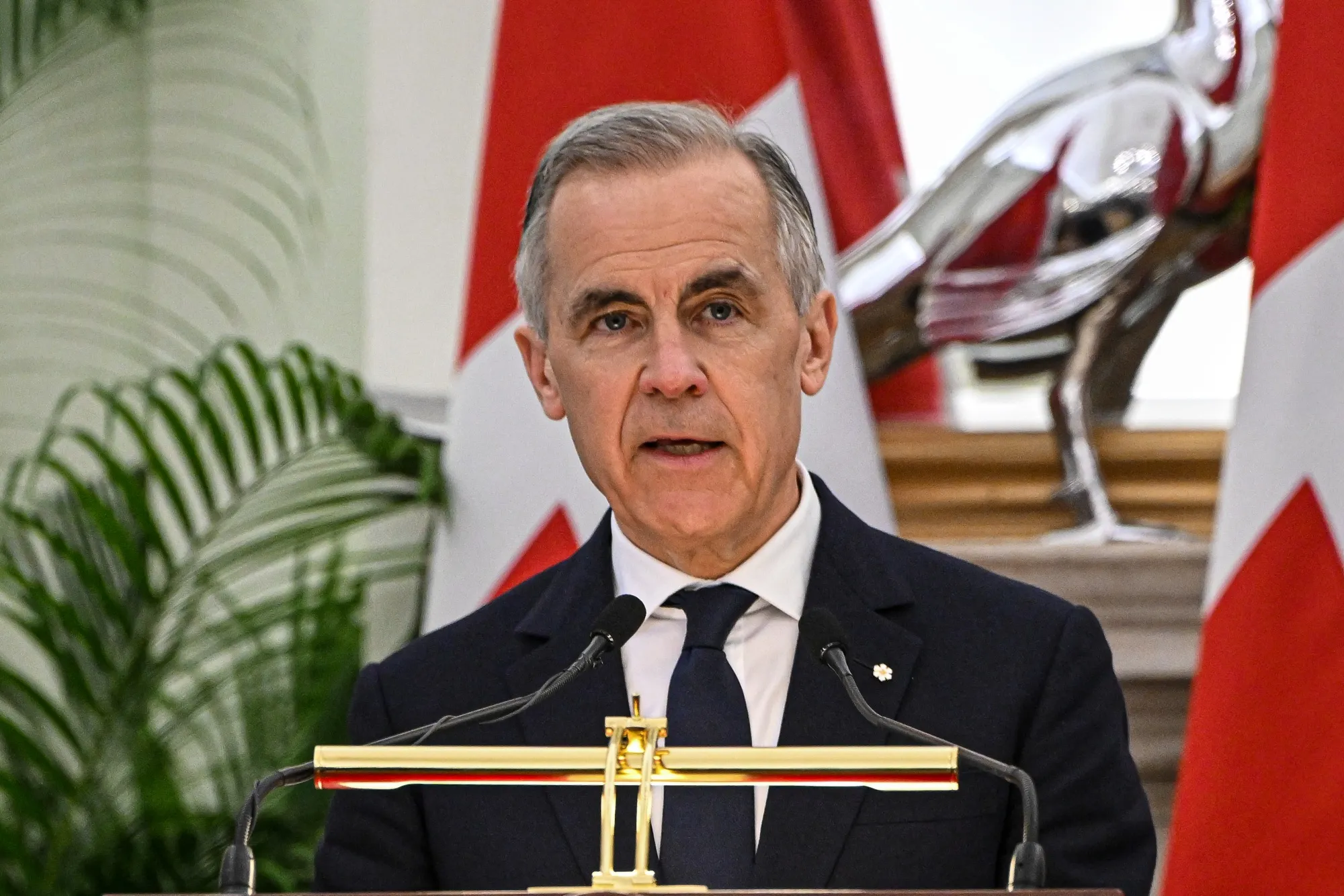
Mark Carney’s embrace of a West Coast pipeline is more than an energy announcement. It is an overdue recognition that Canada cannot keep pretending its resource economy can be managed by slogans, court cases and provincial resentment.
The project matters because it addresses three problems at once. It gives Alberta a credible path to global markets, it strengthens Canada’s export leverage beyond the United States and it offers Ottawa a chance to show that Confederation still works in practice, not just in ceremony. In a country where western alienation has become a political chronic disease, that is no small thing.
The immediate gain is economic. Alberta sits atop one of the world’s largest oil reserves, yet the province remains hostage to a transportation system that funnels most of its crude toward a single customer: the U.S. That is not a position of strength. It is a structural vulnerability. A pipeline to the Pacific would not eliminate that dependence, but it would at least create optionality, and in commodity markets optionality is power.
The broader strategic gain is even more important. Canada has spent years talking about diversification while remaining heavily tied to the American market. That is increasingly dangerous in an era when Washington’s energy politics can change with one election. A west-coast route would let Canada reach Asian buyers directly, which would help reduce the pricing penalty on Canadian crude and give Ottawa more room to maneuver when U.S. trade policy turns hostile.
Carney deserves credit for understanding that infrastructure is also statecraft. If Canada wants to remain an energy power, it must be able to move energy. If it wants to remain a federation, it must be able to reconcile the interests of producing provinces with those of transit provinces. And if it wants to keep Alberta inside the tent, it must stop treating the province’s core industry as a problem to be managed rather than an asset to be developed.
That does not mean the project is politically easy. British Columbia has legitimate concerns about environmental risk, tanker traffic and the politics of being asked once again to absorb the externalities of western development. Those objections should be heard, not dismissed. But opposition cannot be allowed to become a permanent veto on national infrastructure. A modern federal state cannot function if every major project dies in the name of procedural purity.
The stronger objection comes from the climate left, which sees any new pipeline as a betrayal. But that view is too simple for the world Canada actually inhabits. Oil demand is not disappearing on a timetable dictated by activists in Ottawa or Vancouver. It is shifting, unevenly and globally. The question is not whether Canada will participate in that market, but whether it will do so on its own terms or someone else’s.
This is where the politics matter. The pipeline is intended, in part, to ease separatist tensions in Alberta. That goal is sensible, but it should not be oversold. A single project will not erase years of resentment over federal carbon policy, regulatory delay and the sense in Alberta that national leaders profit from the province while lecturing it from afar. Still, symbolism matters in politics, and a government that is willing to back a serious export corridor sends a better signal than one that merely promises empathy.
There is also a North American dimension. If the United States is becoming a less reliable strategic partner, Canada cannot afford to behave as though geography alone guarantees access. Diversifying export routes is a matter of economic prudence and national resilience. It is also a reminder that energy security is not just about producing more; it is about being able to sell what you produce to the best available buyer.
Carney’s bet may yet collide with the usual Canadian obstacles: interprovincial suspicion, environmental litigation and bureaucratic inertia. That is the risk of governing a country that often mistakes delay for seriousness. But if Ottawa is prepared to pair this project with clear environmental standards, indigenous participation and a realistic timetable, it could mark a rare moment when Canada chooses execution over paralysis.
The real question is whether the country has the political courage to follow through. Canada has long had no shortage of natural wealth and no shortage of self-doubt. What it has lacked is the institutional confidence to connect the two. A West Coast pipeline will not solve that problem. But it would be a start.