
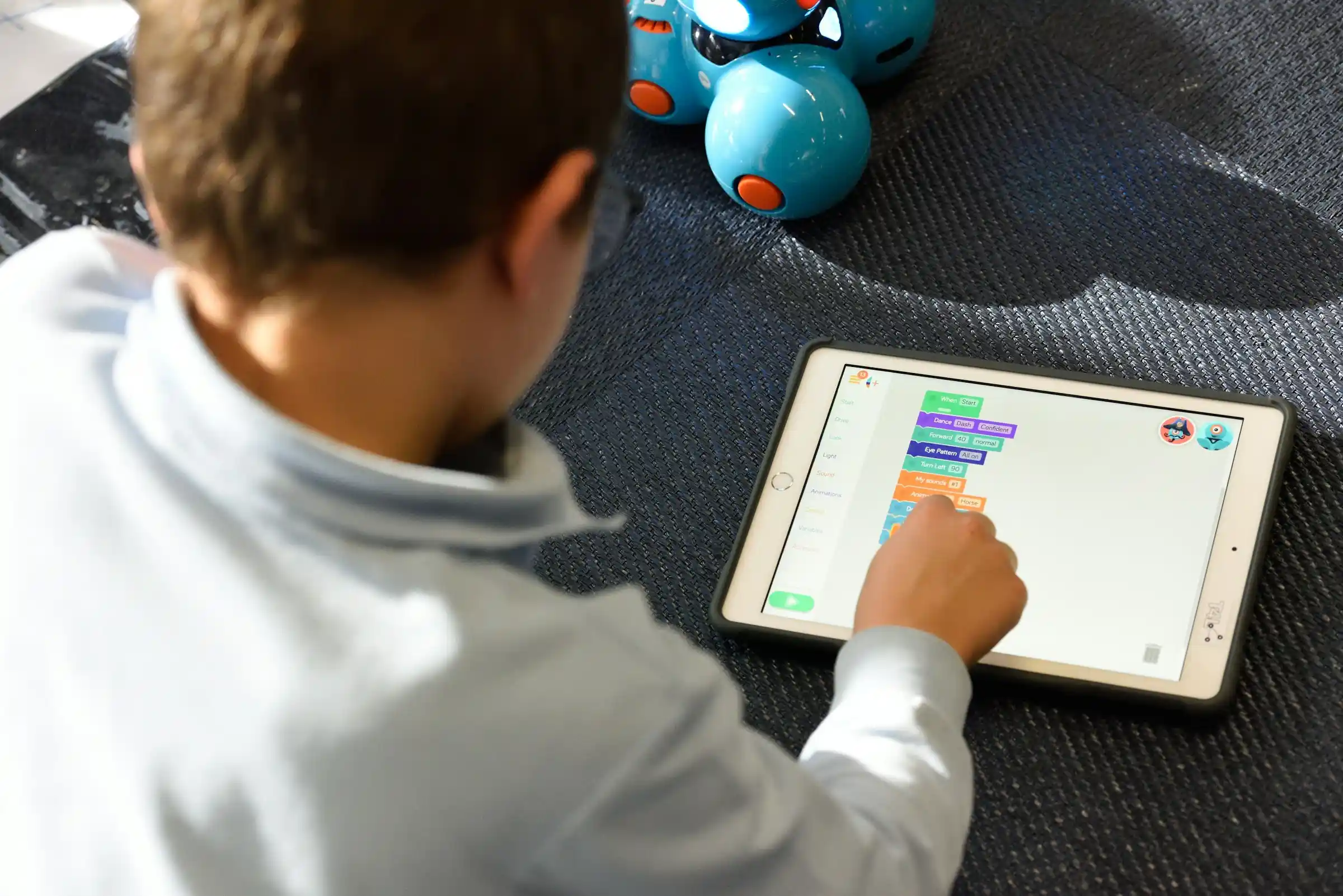
The fight over phones in schools is no longer just about keeping TikTok out of math class. It has become a broader political and cultural backlash against the idea that more screens automatically mean better learning, and that shift is now putting the education-tech industry on the defensive.
What began as a parent-led push to ban cellphones has expanded into efforts to limit all kinds of screen time in school, including school-issued laptops, tablets, online tests, and even some student-facing AI tools. Lawmakers in at least 16 states were debating restrictions on classroom technology in March, and the momentum has only grown as teachers, parents, and some union leaders argue that fewer screens mean more focus and less disruption.
The message is politically potent because it cuts across party lines. Republicans frame it as a fight against distraction and Big Tech; Democrats often cast it as a child-development and classroom-management issue, with exceptions for students who need technology for accessibility or services.
Why the backlash spread
The cellphone bans that swept schools in the last few years created a proof of concept. Teachers reported better engagement, fewer disciplinary problems, and calmer classrooms once phones were out of sight, which made it easier for lawmakers to ask whether the same logic should apply to other screens.
That question lands at a moment when parents are already skeptical of how much time children spend online. The Surgeon General has warned that heavy screen use among kids and teens can be harmful, and the country’s second-largest teachers union recently called for bans on screens in pre-K through second grade and limits on student-facing AI in elementary school. In political terms, that makes the issue look less like a niche education debate and more like a mainstream family concern.
For the education-tech industry, this is not a narrow argument about phones; it is a direct challenge to its business model and its cultural narrative. The sector, worth roughly $164 billion, is now confronting bills that would restrict school-issued devices for younger students, require tighter vetting of educational software, and reduce the default use of digital tools in class.
That matters because ed tech has long sold itself as the future of learning: personalized, data-driven, efficient, and scalable. But critics now argue that schools became too willing to outsource attention, and sometimes instruction, to screens in ways that were more convenient for institutions than beneficial for students. The industry’s fear is that once policymakers start drawing a line around “too much screen time,” the line will keep moving until many of the tools schools adopted during and after the pandemic are seen as optional rather than essential.
The case for restraint
The strongest argument for limiting screens is not anti-technology nostalgia; it is that children are not miniature adults and attention is a scarce resource. In classrooms, the problem is not merely that screens can distract; it is that they can reorganize the entire learning environment around quick inputs, fragmented tasks, and passive consumption.
That concern is especially acute for younger children, who may benefit more from handwriting, face-to-face discussion, reading on paper, and guided play than from constant device use. Advocates of limits also note that schools are not only teaching content; they are shaping habits. If students learn that every task should involve a device, schools may inadvertently train dependence instead of judgment.
Still, there is a real danger in turning a broad public frustration into a blunt policy hammer. Not every screen is the same, and not every use is harmful: assistive technologies, online research, adaptive learning, translation tools, and certain assessments can be genuinely valuable, especially for students with disabilities or learning differences.
There is also a risk that screen restrictions become more symbolic than practical. Schools can remove devices and still fail to improve literacy, behavior, or attendance unless they also invest in teacher support, smaller class sizes, and stronger lesson design. In that sense, technology is often the most visible object in a much bigger systems problem, which makes it an easy target but not necessarily the core cause.
What schools should do
The sensible response is not to choose between device saturation and total digital abstinence. Schools should move toward a purpose-first model: use screens when they clearly improve instruction, and keep them out when they mainly create noise, friction, or dependency.
That means setting age-appropriate rules, limiting student phone access during the school day, and requiring districts to justify technology purchases with evidence, not hype. It also means preserving exceptions for disabilities, emergencies, and carefully defined academic uses, because a good policy should reduce distraction without sacrificing access or equity. The goal should be to treat technology as a tool, not a worldview.
This debate is bigger than schools. It reflects a broader political turn against institutions that asked families to trust tech promises while children’s mental health, attention spans, and social habits seemed to worsen. That is why the issue has such bipartisan appeal: it offers lawmakers a rare chance to sound both pro-child and anti-corporate at the same time.
The ed tech industry may still argue that digital fluency is indispensable, and it is right that students need to learn how to use technology well. But schools are not obliged to equate constant access with quality education. If the cellphone ban era taught parents that limits can restore focus, the next phase may teach lawmakers that restraint can be a form of educational ambition.
The real question is not whether schools should use screens. It is whether they can remember that learning is supposed to happen through technology, not be replaced by it.