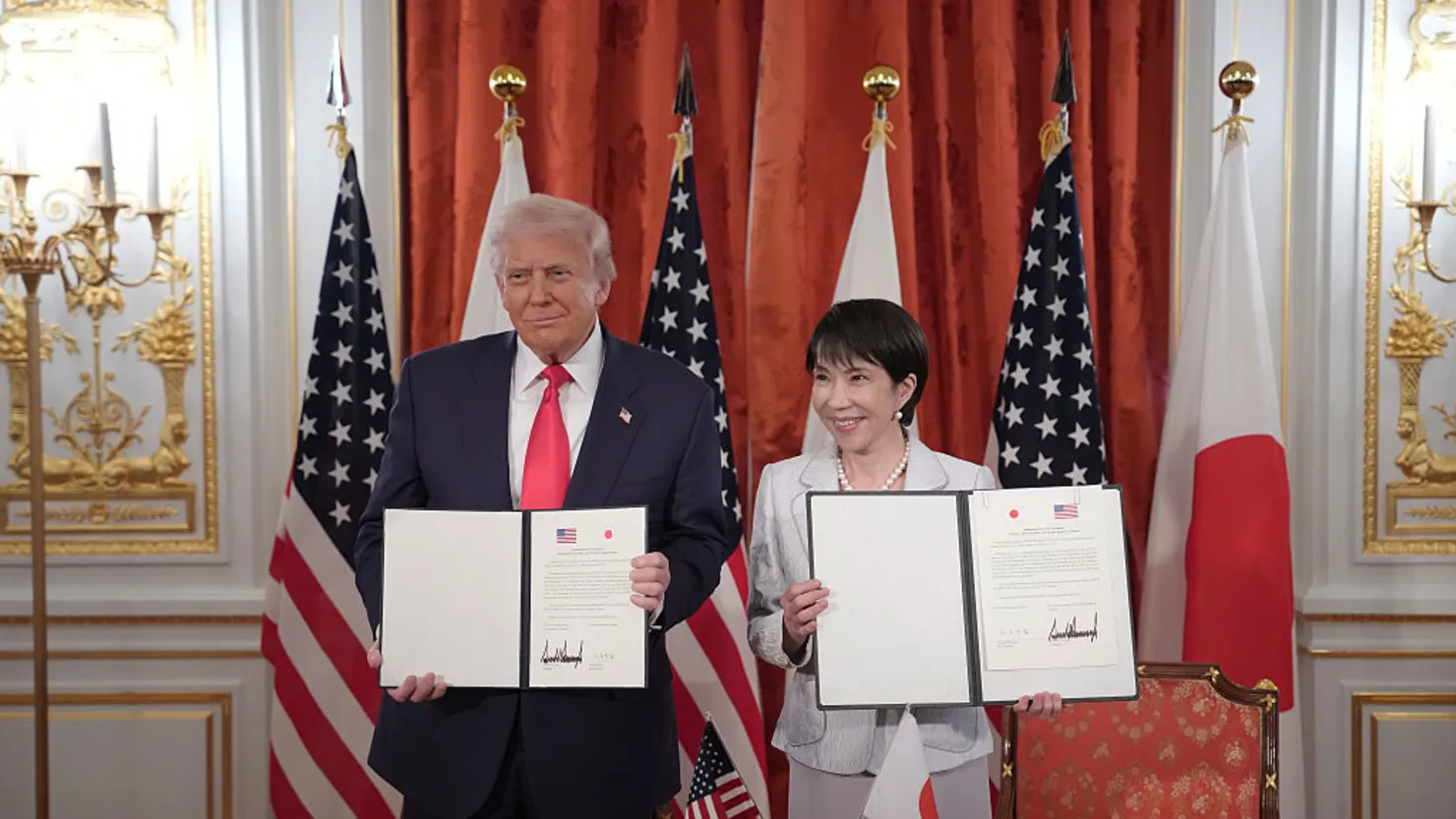
President Donald Trump’s first summit with Sanae Takaichi, Japan’s historic new prime minister, marks a pivotal moment for the future of U.S.–Japan relations, Indo-Pacific stability, and the political legacy of both leaders. Takaichi—an ultraconservative who famously admires Margaret Thatcher—is Japan’s first woman to hold the office, coming to power amid a patchwork coalition, mounting economic anxieties, and shifting global alliances.
Takaichi’s ascent has been both symbolic and turbulent for Japan, a country that ranks near the bottom among developed economies for gender equality. She is known for her hardline, nationalist posture, soft bows and pearl necklaces—all nods to Thatcher—while also championing a vision of “Japan First”. The domestic context she inherits is fraught: inflation outpaces wage growth, debt exceeds 250% of GDP, and her Liberal Democratic Party recently lost its coalition majority with the pacifist Komeito, forcing Takaichi to seek unstable alliances with smaller, ideologically fractured parties.
This fragility circumscribes her ability to negotiate forcefully with the U.S. Without broad parliamentary support, she must tread carefully—projecting global strength while avoiding the perception of capitulation to Trump’s demands.
Trump’s Agenda: Bigger Contributions, Balanced Trade
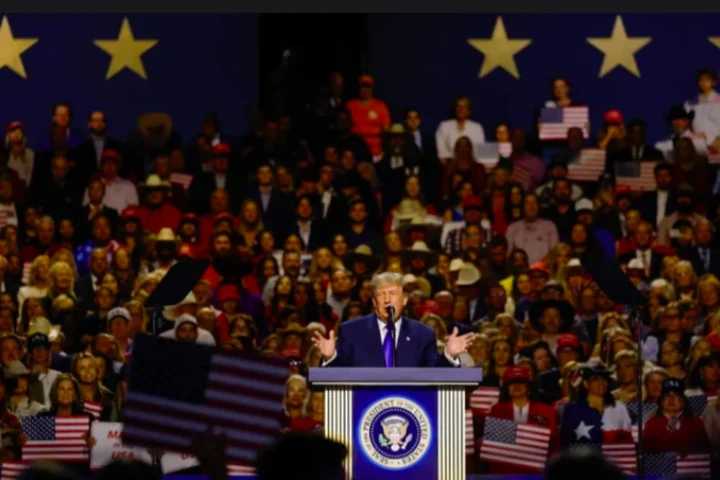
Trump arrives in Tokyo eager to secure both “headline” victories and lasting structural changes in the alliance. His first week of public statements has praised Takaichi’s resolve and recalled his warm ties with her late mentor, Shinzo Abe, whose personal diplomacy lubricated prior cooperation.
Top on Trump’s list are two familiar priorities: greater Japanese defense spending and major trade concessions. The U.S. president is leveraging high tariffs and demanding that Japan increase its defense outlays well beyond the 2% of GDP target Tokyo is racing to meet—floating a new target of 3.5%, mirroring recent pressure exerted on NATO allies. This insistence comes as Japan unveils plans to meet its original 2% target two years early, relax defense export restrictions, and expand military production and procurement.
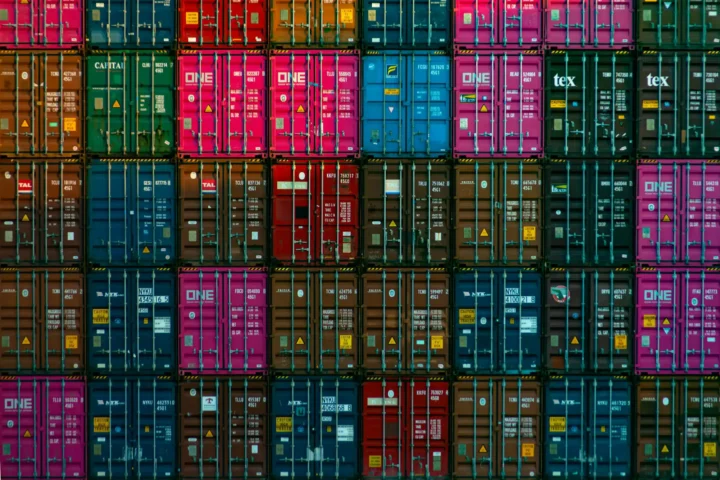
The July 2025 U.S.–Japan framework agreement is Trump’s clearest “win.” Responding to American tariff hikes of up to 27.5% on Japanese autos and goods, Japan pledged a staggering $550 billion investment in U.S. industries by 2029, spanning energy, agriculture, tech, and manufacturing. In exchange, the U.S. grudgingly capped tariffs at 15% and expanded Japanese market access for strategic sectors.
The terms of the deal reveal Trump’s tactical leverage. Japan has to review and approve investments recommended by a U.S.-run committee, with up to half of cash flows returning to the U.S. until a threshold is met. If Japan balks, the U.S. can impose further tariffs—giving Trump a “cash machine” to tout domestically and a stick to wield in future negotiations.
For Takaichi, the challenge isn’t simply to say yes or no. The commitment—equal to over 10% of Japan’s GDP—risks deepening political divides at home. Her nationalist allies, like the Japan Innovation Party, favor defense spending and security hawkishness but balk at heavy overseas investment and fiscal largesse, especially while inflation squeezes households and public debt balloons.
The rift with Komeito, whose pacifist streak traditionally tempered LDP hardliners, leaves Takaichi exposed to parliamentary rebellion and a right-wing populist surge from new parties with anti-immigrant and protectionist platforms. She cannot afford to be seen bending to Trump, yet alienating the U.S. could undermine her hopes to project leadership abroad and manage domestic skepticism about economic and security priorities.
Security Imperatives: The Indo-Pacific Front
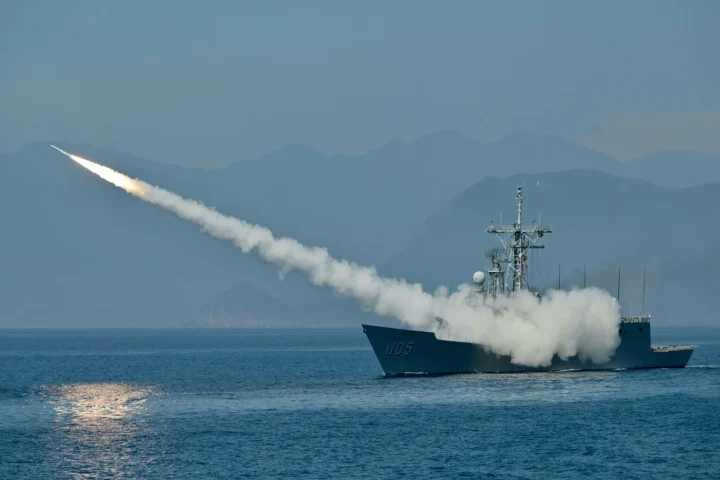
Both leaders recognize China as the central threat in the Indo-Pacific. Takaichi advocates for broad constitutional reform to loosen Japan’s military mandates and allow for greater deployments—including floating the controversial idea of hosting U.S. nuclear weapons as a deterrence against Beijing and Pyongyang. She has pledged to create a “system that allows Japan to defend itself independently”—referencing the 55,000 U.S. military personnel stationed in Japan.
Trump pushes harder. He wants Japan to become an even more robust bulwark, demanding more spending and more procurement of U.S.–made arms, ships, and technology. Their summit featured agreements for cooperation on next-gen AI, wireless standards, and critical minerals—an overt move to counterbalance Chinese supply chain dominance.
The mechanics of Takaichi–Trump diplomacy are being watched across Asia. Their ability to build personal rapport could recreate the “golden” period of Trump–Abe ties, when economics and geopolitics aligned more easily. For Takaichi, success means showing Japan stepping up—making visible contributions without sacrificing sovereign interests or domestic security.
Yet flashpoints remain: the invest-in-America package, defense spending, and the fate of tariff relief are all susceptible to rapid reversal if either side feels slighted. Takaichi’s room for maneuver is narrow. Her government’s legislative foundation is at historic lows, and the public expects tangible progress, not grand gestures.
Both governments call this a “new golden age” in U.S.–Japan ties. But it is equally a test of the transactional logic that now dominates the Trump administration’s approach—relentlessly focused on bilateral wins over broader multilateral stability.
If Takaichi can hold firm, earn fresh allies in her Diet, and sell her electorate on the strategic necessity of a more muscular Japan, the alliance could stabilize the Indo-Pacific and insulate both nations against rising authoritarian aggressors.
If she stumbles—if Trump leverages his economic weaponry to demand more, if Japan’s public pushes back against foreign entanglements—then this first summit may foreshadow renewed turbulence.
For now, the handshake images and joint statements mask a fragile new arithmetic: a conservative Iron Lady, squeezed between the age-old pressures of dollars, security, and survival, and a U.S. president determined to shape Japan in his own political image.
Japan and the Indo-Pacific will live with the consequences for years to come.