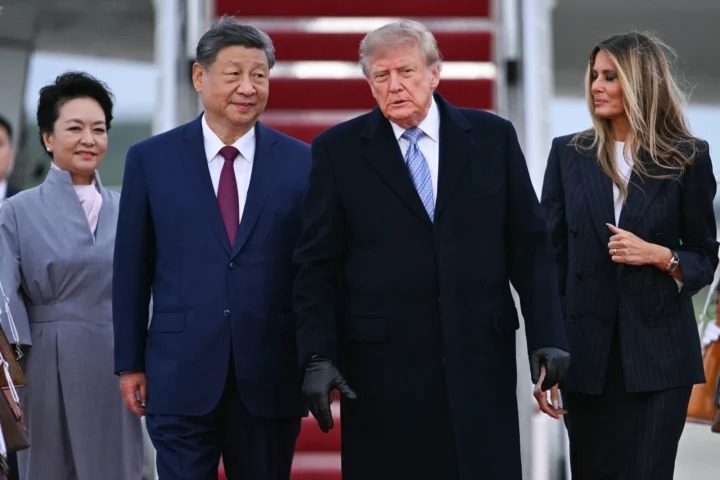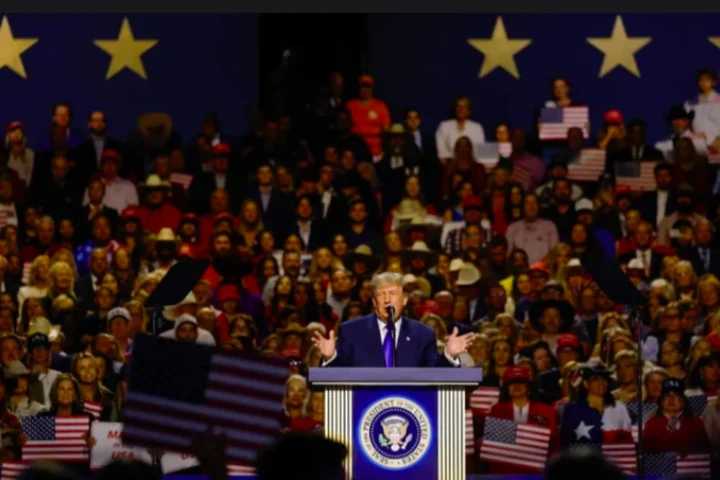

Donald Trump’s latest declaration that Ukraine can win the war and reclaim all lost territory has left diplomats and allies both elated and wary. The statement, issued on Truth Social after his meeting with President Volodymyr Zelenskyy, marks his strongest endorsement of Kyiv to date. It also represents a sharp departure from his earlier insistence that Ukraine could never defeat Russia and must eventually cede land in a negotiated peace.
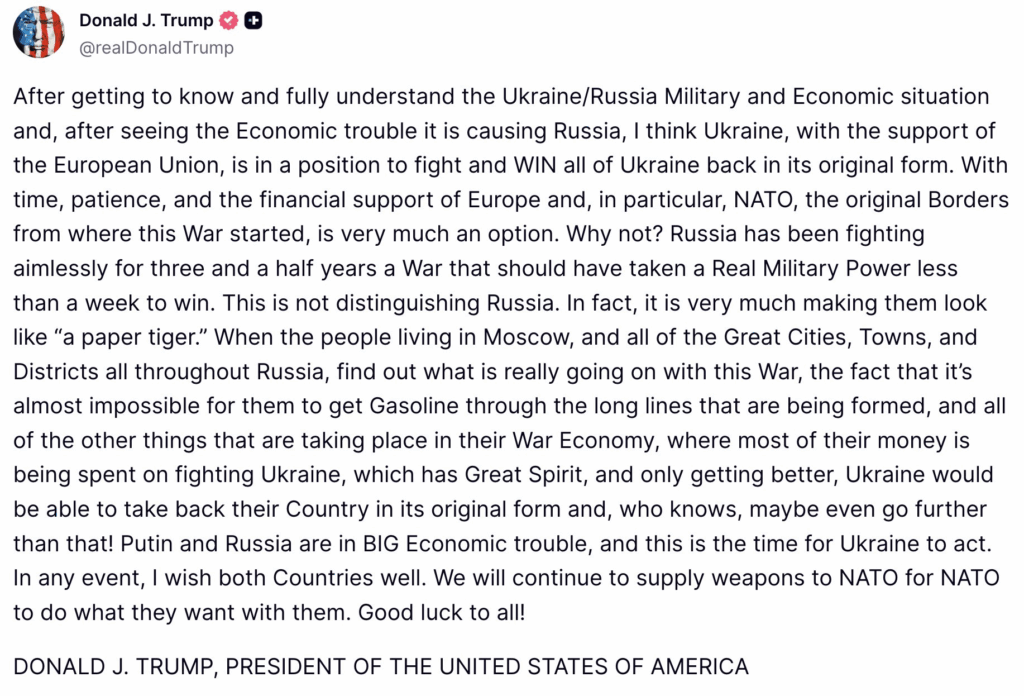
A Rhetorical Pivot, Not Yet a Policy Shift
Trump’s words matter, especially when amplified from the podium of the U.N. General Assembly. By affirming Ukraine’s potential for total victory, the U.S. president gives fresh political oxygen to Kyiv’s cause at a moment when European leaders are anxious about wavering American commitment. Yet, as EU officials immediately noted, Trump’s statements rarely carry the permanence of policy. He is “one Putin call away” from a reversal — and allies know it.
The deeper question is whether this is a genuine rethinking or merely a tactical posture. Trump himself admitted to disappointment with Putin, hinting at personal disillusionment as much as strategic calculation. His suggestion that NATO countries should shoot down Russian aircraft violating their airspace goes further than any recent White House line, but could just as easily evaporate with the next shift in mood.
The European Dimension: Relief and Skepticism
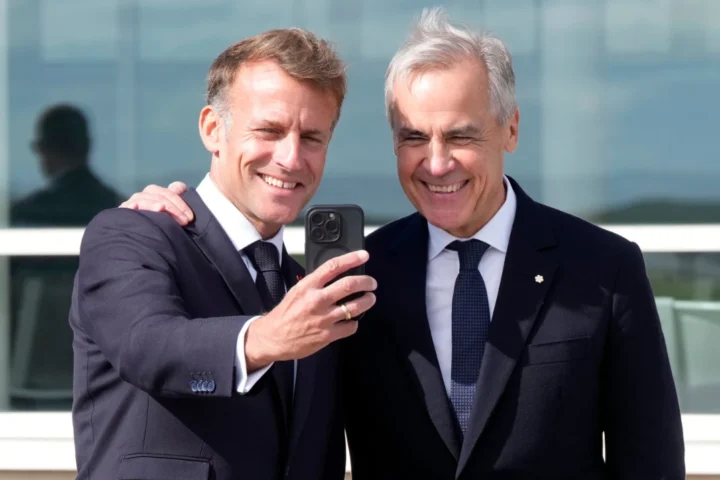
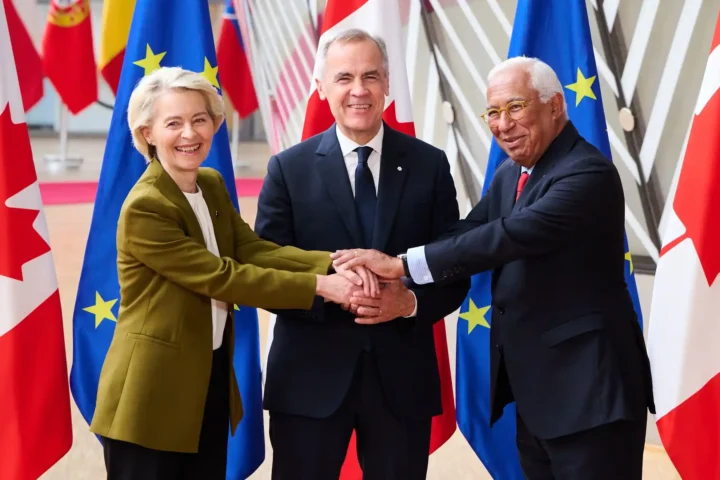
For Europe, Trump’s pivot is both vindication and risk. Leaders like Emmanuel Macron and Kaja Kallas seized on his rhetoric as proof that their patient lobbying has paid off. Ursula von der Leyen, long criticized for being too conciliatory with Trump, may now appear prescient for cultivating a close working relationship with him.
But this optimism is tempered by the memory of Trump’s inconsistency. His reluctance to impose sanctions on Russia, even amid pressure from allies, underscores how little real policy has shifted. The prospect of U.S. tariffs or sanctions hitting Moscow still seems distant. The danger for Europe lies in leaning too heavily on rhetoric that may be designed less to support Ukraine than to provoke Putin.
What Comes Next
If Trump’s words do solidify into action, the consequences could be profound: renewed U.S.-European unity on Ukraine, stronger sanctions on Russia’s economy, and a reinvigorated NATO response to Russian provocations. Such a pivot would isolate Moscow further, raise the stakes for China, and give Kyiv a tangible morale boost.
But if, as many suspect, this is another Trumpian feint — a gesture meant to score diplomatic points at the U.N. or unsettle Putin — then the risk is severe disillusionment. Ukraine cannot afford another cycle of raised hopes and dashed expectations, nor can Europe sustain long-term unity if Washington’s position swings wildly week to week.
The op-ed’s central truth is this: Trump’s sudden pro-Ukraine rhetoric is both an opportunity and a trap. If Europe and Kyiv treat it as a turning point, they risk being played. If they dismiss it entirely, they may miss a chance to anchor Trump to a stronger anti-Russia stance.
The challenge now is not simply to welcome Trump’s words but to test them — to see whether they can be translated into durable commitments. Until then, one EU diplomat’s remark captures the mood best: Monday’s Trump may be Ukraine’s greatest ally, but Tuesday’s Trump remains its most unpredictable risk.