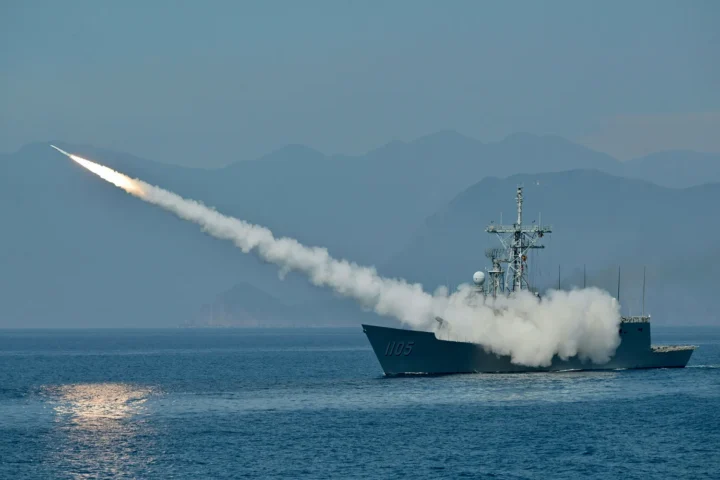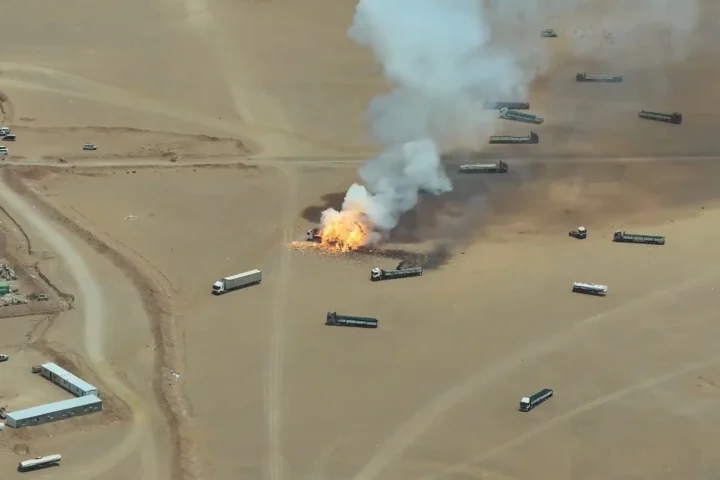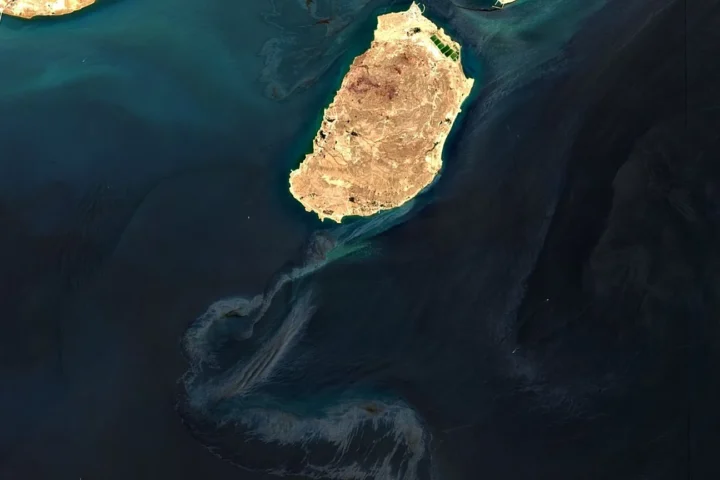
Qatari mediators returned to Tehran on the night of November 2 for talks with Iranian Foreign Minister Abbas Araghchi on a revised draft agreement, the latest round in weeks of intensive but inconclusive shuttle diplomacy. Iranian officials described the consultations as “very intensive” and said further progress depended on Washington’s “political rationality.” The next day, U.S. forces struck targets on Iran’s Qeshm Island in the Strait of Hormuz in what American officials called a defensive response to Iranian fire on a U.S. aircraft. Oil prices rose more than a dollar, with Brent crude trading near $106 a barrel.
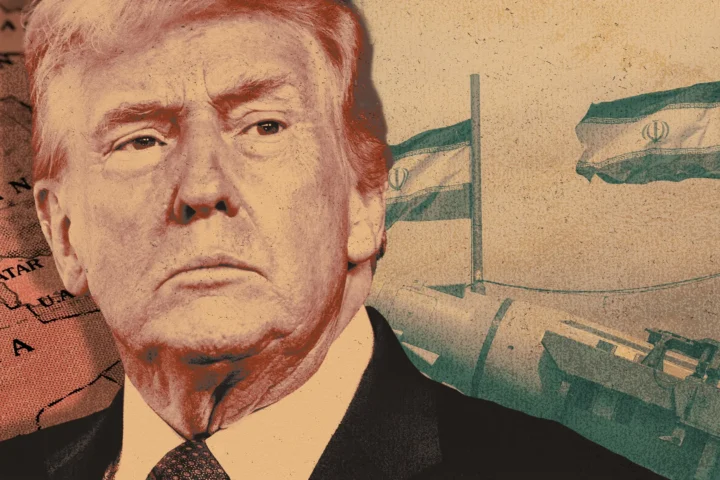
The exchanges capture the state of a conflict that began with joint U.S.-Israeli strikes on February 28 and has now entered its ninth month. President Trump has repeatedly described the campaign as limited, successful, and near its end. In a Fox News interview this week he said Iran had been “decapitated,” that its ships were “at the bottom of the sea,” that all of its roughly 288 aircraft had been reduced to “tiny little pieces” on runways, and that air defenses had been largely eliminated. He called the most recent strikes “a minor attack. It wasn’t war” and said remaining nuclear-related sites, including the deeply buried complex known as Pickaxe Mountain near Natanz, could be hit “in one hour” if necessary.
Independent assessments show substantial degradation of Iranian conventional forces but also significant costs on the American side. A Congressional Research Service report listed at least 81 U.S. aircraft, helicopters, and drones lost or damaged since February, including 12 F-15E Strike Eagles, one F-35A, seven KC-135 tankers, and 45 MQ-9 Reaper drones. The Pentagon has told lawmakers the war had cost $47.1 billion through mid-October, with munitions accounting for more than 60 percent of the total. Official figures list roughly 21–23 U.S. service members killed and more than 860 wounded. Iranian casualty counts from rights groups and forensic officials run into the thousands, though precise military versus civilian breakdowns remain contested and incomplete.
The economic pressure on Iran has been more consistent than the military tempo. A U.S. naval blockade of Iranian ports, enforced since mid-July after an earlier phase, has effectively halted seaborne oil exports. Trackers report no loadings of new cargoes since late August or early September; floating storage outside the blockade zone has fallen to zero. U.S. Central Command has estimated the blockade has already denied Tehran at least $25 billion in oil revenue. Iran’s crude production has fallen from roughly 3.4–3.6 million barrels a day before the war to around 1.9–2 million. Oil previously accounted for about 30 percent of government revenue. The International Monetary Fund projects a 7.6 percent contraction in the Iranian economy this year. Inflation has approached 90 percent, and the rial has hit successive record lows against the dollar on the parallel market. Payments for remaining oil already delivered are expected to taper by mid-December, according to shipping intelligence firms.
Global oil markets have absorbed the disruption better than the worst early forecasts, but a risk premium remains. Gulf producers have rerouted substantial volumes via pipelines and alternative export points; overall Middle East crude exports have recovered to near or above pre-war levels of roughly 23–24 million barrels a day. Still, Brent is up about 46 percent from the week before the conflict began, when it traded near $72. Insurance and freight costs for vessels in the region have risen sharply. The Strait of Hormuz continues to carry the majority of regional exports, but traffic is protected and irregular, and Iran retains the ability to threaten vessels with mines, drones, and missiles. Prices jumped after the Qeshm strike and after Iranian statements that a deal remained distant.
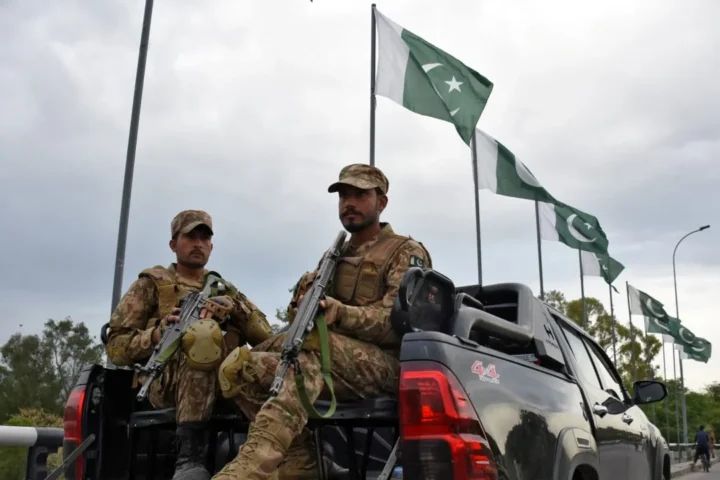
Diplomacy has run in parallel with the blockade and intermittent strikes. Qatar and Pakistan have served as the principal intermediaries. Iranian negotiators have presented conditions centered on ending the naval blockade, reopening the Strait of Hormuz on an accelerated timetable (two days rather than the earlier seven-day proposal), and lifting certain sanctions before broader nuclear discussions. A version of a draft deal has circulated for roughly eight days. Iranian Foreign Ministry spokesman Esmaeil Baghaei has said nothing has been agreed and that “past experiences close the door on any optimism regarding America’s seriousness in diplomacy,” while affirming that Tehran is prepared to deliver a “crushing response” to any attack. Araghchi has stated that everything depends on Washington’s political approach. Trump has said a deal “could happen” and that he is in “no rush,” while also indicating that further military action remains available after the November 3 U.S. midterm elections. Reports circulating in Gulf capitals described U.S. briefings to allies about possible short, intense strikes beginning as early as November 4.
The nuclear file remains unresolved and central to any durable arrangement. The International Atomic Energy Agency has not had access to most enrichment-related sites since the June 2025 strikes and subsequent events. Its last verified figure was 440.9 kilograms of uranium enriched to 60 percent—enough, by IAEA yardsticks, for roughly ten weapons if further processed. Officials believe a portion of this material remains in the Isfahan tunnel complex. Pickaxe Mountain, a deeply buried facility south of Natanz that has never been struck, has shown increased construction and hardening activity in 2026, including reinforced portals. Israeli assessments have suggested centrifuges or related equipment were moved there; U.S. and Iranian statements differ on its current purpose and readiness. Iran has ruled out transferring enriched material out of the country and has conditioned any return of inspectors on political concessions, including condemnation of the strikes. It remains a party to the Nuclear Non-Proliferation Treaty but has suspended practical cooperation.
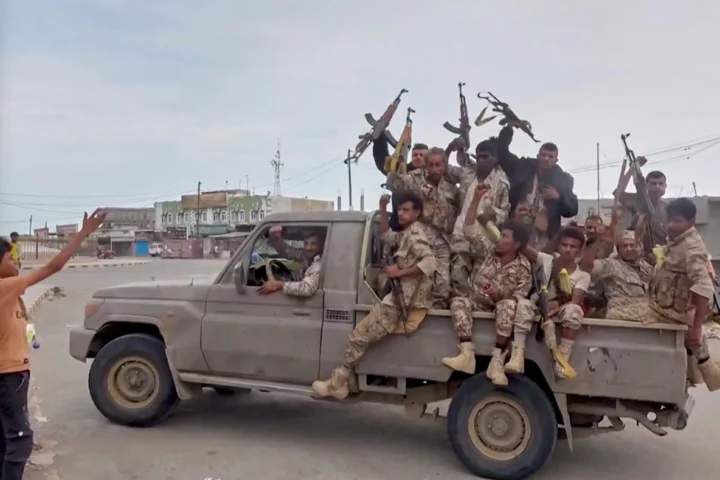
Beyond Iran itself, the conflict has reshaped the regional “axis.” Yemen’s Presidential Leadership Council chief Rashad al-Alimi has accused Iran’s Islamic Revolutionary Guard Corps of assuming a “growing role” in directing Houthi operations, citing dozens of IRGC experts involved in planning, missile and drone development, and threats to navigation. Yemeni officials have separately claimed the presence of 21 IRGC and Hezbollah specialists supporting Houthi command structures. The Houthis, after earlier hesitation, have conducted more frequent attacks on shipping and Saudi targets; the group has effectively assumed a more prominent place in the network as Hezbollah and Hamas have absorbed heavier Israeli pressure. Iran continues to deny direct military control while maintaining ideological alignment.
The pattern is one of asymmetric attrition. The United States holds decisive advantages in air power, naval blockade enforcement, and the ability to strike fixed infrastructure. Iran retains the capacity to raise the cost of shipping, to regenerate limited air defenses and missile capabilities, and to operate through partners in Yemen and elsewhere. Economic pressure has reduced Iranian hard-currency income sharply and is beginning to affect domestic payrolls and inflation, but it has not yet produced the political concessions Washington seeks on the nuclear program or regional behavior. Gulf states have adapted shipping routes and continue to export, yet the sustained risk premium and occasional disruptions affect global energy costs.
Trump has framed the choice as “make a deal or finish them off,” while emphasizing that he is not seeking large-scale casualties. Iranian officials insist their conditions are non-negotiable and that military options remain available. With midterm elections concluding and mediators still shuttling, the immediate question is whether the current round of messages produces a sequenced agreement on the Strait and sanctions, or whether the United States moves to another round of strikes against remaining nuclear-related and military targets. Either path carries continued costs measured in dollars, barrels of oil, and the stability of the waterways that still move a substantial share of the world’s energy.