Imagine you are a young girl attending a meeting that will determine your future. You will be asked your opinion on your education, future, responsibilities and decisions.
But,
They are not actually asking them.
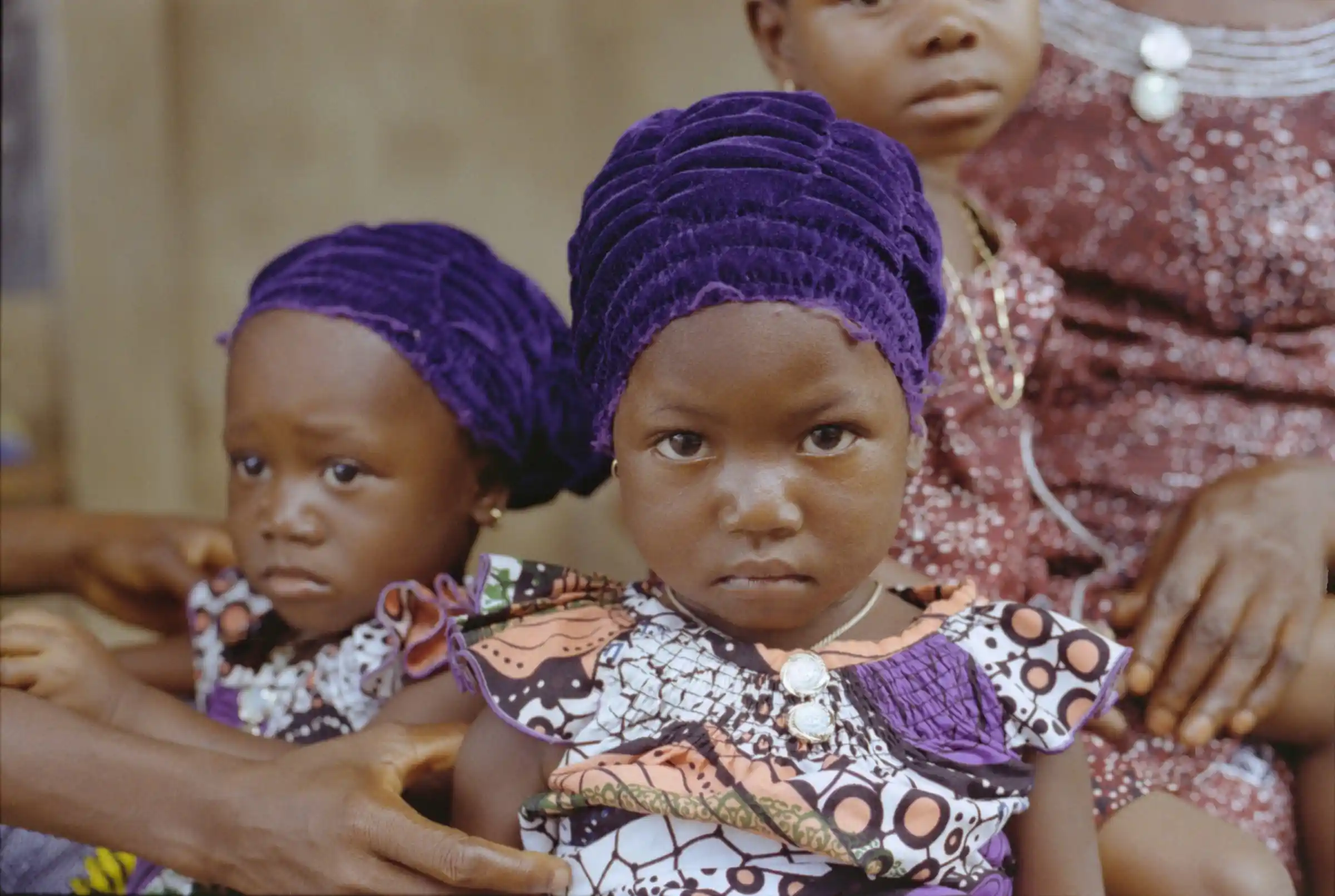
Girls across Africa are often mentioned in relation to development, education, equality and empowerment. However, they often do not have their voices heard.
Whilst we talk about protecting, educating and empowering girls, governments will create policies, organisations will create programmes and communities will talk about what they can do for young women. Are they actually giving girls a voice?
We need to give African girls a voice so they can succeed in the future.
Giving Them A Voice
Often girls will be asked to attend meetings but will not actually have an impact.
Girls will be invited to an event or conference and will be put into groups with other people. They will be given a few minutes to talk and will be photographed. People will say they are giving girls a voice but they may not even be remembered when it comes to making decisions.
To give girls a real voice you need to listen to them.
They know everything about the challenges they face. If they are struggling to stay in education due to money issues they will know how it is affecting them emotionally. They will know how difficult it is to fight for their dream if they are pressured to leave education.
This is a valuable insight which can help governments, educators, organisations and communities to create better responses.
Without giving girls a voice important perspectives will be missed. Policies will not address the issues as they will have good intentions.
Programmes should be created but we must ensure girls have a voice to help decide what they should focus on.
Expectations
Across many communities in Africa girls are often brought up with expectations.
Some of these can be positive! Having respectful, responsible, kind and family orientated girls can create strong communities. Often girls will feel like they belong due to cultural traditions. This can help to connect generations.
However,
In some communities girls will often feel pressured to put their family first. Some girls may feel they should get married before finishing their education. Some girls may grow up feeling they do not want to take on leadership roles, get involved or have certain career aspirations.
This can affect how they see themselves.
If they are constantly told they cannot achieve their dreams they may start to believe they can’t. If they are told to keep quiet they may struggle to give their opinions.
This does not mean they shouldn’t value their culture and family. Culture and equality do not have to go hand in hand. They can value their culture, respect their families and get involved in their community whilst still gaining an education, taking on leadership roles and being independent.
But are we looking at our traditions and social expectations in a way that will help girls grow?
Girls should not be forced to choose between valuing their culture and having equal opportunities. African girls should have both!
Education Should Give Them A Voice
Often education is seen as a great way to improve girls lives. It can open up opportunities, make them independent and aware of their rights.
However, girls should not just be educated to be successful workers and responsible members of society. They should be confident individuals who can challenge injustices, give their opinions and get involved in decisions that will effect their communities.
Alongside maths, science, literature and history they should learn about citizenship, equality and human rights.
They should be encouraged to ask questions, challenge unfair situations respectfully and give their opinions.
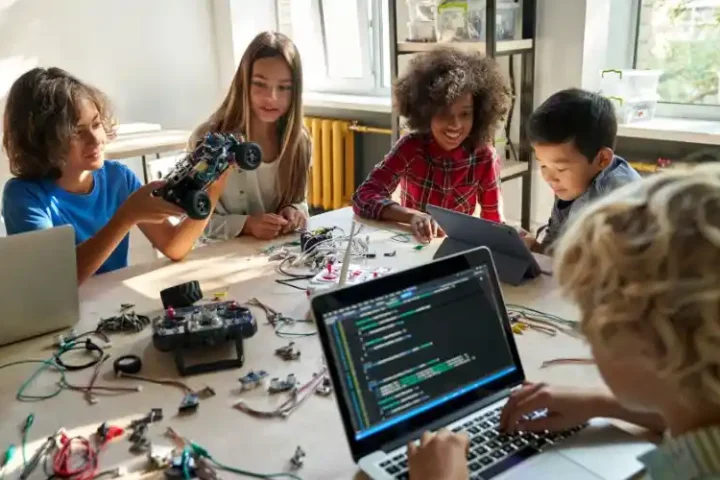
Schools can massively help to change how society views girls getting involved. By having student councils, discussions in classes, leadership activities and getting involved with issues in their community they can become confident.
However, this should be meaningful. Giving them leadership roles but not letting them make decisions won’t help.
Teachers, parents and educational institutions should realise that girls are individuals who have opinions, skills and perspectives.
They do not need to become a university graduate, professional or mother for their voice to be valued.
Having Them Involved In Policy
Decisions made by governments and institutions can affect almost every aspect of a girls life.
Policies around education will affect how much they will receive. Laws and child protection will affect how safe they are. Economic policies can affect if they stay in education depending on how much money their family have. Policies around healthcare will affect how much they can access essential services.
This is extremely important to consider and should involve those directly effected.
International human rights state children have the right to have their voice heard in situations that effect them. The United Nations Convention on the Rights of the Child provides a strong foundation for children to be involved.
This should be reflected in girls lives.
Governments can create easy to access consultation sessions so girls can give their opinions and recommendations. Schools can involve female students in decisions around their education. Local organisations can create safe spaces for girls to discuss issues in their community.
Importantly,
Girls from various backgrounds should be involved.
Girls from rural communities may have different experiences to those in major cities. Girls with disabilities may face barriers that are not always recognised. Girls from disadvantaged backgrounds, conflict or displacement may have different priorities.
There is no one girl that represents all girls in Africa.
Meaningful involvement should be inclusive.
Girls that wouldn’t normally have their voice heard should be involved.
The Danger Of Assuming They Agree
One of the biggest mistakes we can make is to assume girls agree with something as they do not speak up.
Sometimes girls are too scared to speak up for fear of being criticised. Sometimes they do not know if their opinions will be valued. Or sometimes they have learnt questioning decisions made by adults is rude.
Some girls have important things to say but have not had a safe opportunity to.
Telling girls to speak up will not help build their confidence. However if they have a situation where they can speak without feeling embarrassed, punished or discriminated against their confidence should increase.
Families play an important role. Parents should listen to their daughters, encourage them to pursue their ambitions and let them give their concerns.
Communities should rethink the idea that it is rude for girls to question unfair situations. They should not feel they should keep quiet to be respectful.
Organisations working to empower women and protect children should ensure girls are not seen as just recipients. Their experiences and recommendations should influence what they do.
And if they do speak up their opinions shouldn’t be ignored as they are young.
By listening to them you are showing you respect their dignity.
Getting Involved
Across the world young people are being asked to get involved in conversations around development, climate change, education and human rights.
This is a positive change but must be meaningful.
If a girl is asked to give her experiences during a consultation are her recommendations listened to? Will the institution tell them what they can change? Are there opportunities for them to get involved?
If there is no accountability it can become tokenistic.
Girls should not be asked to get involved just to make policies look inclusive. They should be included as they can help improve decisions.
Recommendations should be taken seriously and honest communication provided.
Invest in opportunities to help girls gain knowledge and confidence. Provide them with information, mentoring, education and safe spaces to share their ideas.
Importantly girls should not be pressured to change society. It is unfair to tell them to be confident and brave without considering the barriers they face.
Families, communities, governments and institutions have a responsibility.
A Future For All Girls
Imagine a future where a girl from a small rural community can share her ideas with local leaders knowing they will be considered.
Imagine a classroom where girls are encouraged to take on leadership roles, ask challenging questions and explore career opportunities without being limited by stereotypes.
Imagine government meetings where girls experiences are considered before decisions are made around their education, safety and opportunities.
Imagine a society where girls are not seen as a threat to their identity, culture and family values due to their ambitions.
These ideas are not unrealistic. These are goals we can achieve.
The future of Africa will depend on the opportunities available. Girls play an important role in the future. Their education, creativity, leadership and involvement can help create stronger communities and inclusive institutions.
However girls should not have to prove they are useful to society to have their rights respected. They deserve equality simply because they are human.
Remember not all girls will want the same. Some may want to be doctors, teachers, researchers, lawyers, entrepreneurs or political leaders. Some may have different aspirations. Every girl deserves the freedom to discover their skills and make meaningful decisions about their life.
Conclusion: Let Girls Help Shape The Future
Perhaps the most important question to ask is do African girls have something to offer? Yes they do.
Are those making decisions actually wanting to listen?
We cannot talk about equality without involving girls in decisions that directly effect them. We cannot claim to empower young women without valuing their opinions. We cannot create inclusive societies if those most effected by inequality are constantly excluded.
A girl does not need to be famous, super successful or well known internationally for her voice to matter. She does not need an important title for adults to care about her concerns.
Her voice matters as a student. As she is growing up. When she questions unfair expectations, gives different opinions or imagines a future with no limits.
African girls do not need society to plan every aspect of their future and gain their approval. They deserve opportunities to get involved in shaping their future.
Stop talking about girls and start listening. Stop asking girls to get involved and start letting their input influence decisions. Realise protecting girls means valuing their ability to give their opinions and get involved.
As we will always miss out on their voices.
Their voices could have helped us create a fairer future.